Anti-Corruption Panel Backs PM Anutin in Local Exam Scandal
An anti-corruption committee chair expressed confidence in PM Anutin's innocence after complaints linked him to a civil service exam fraud scandal, while investigators continue probing officials' involvement in the recruitment scheme.

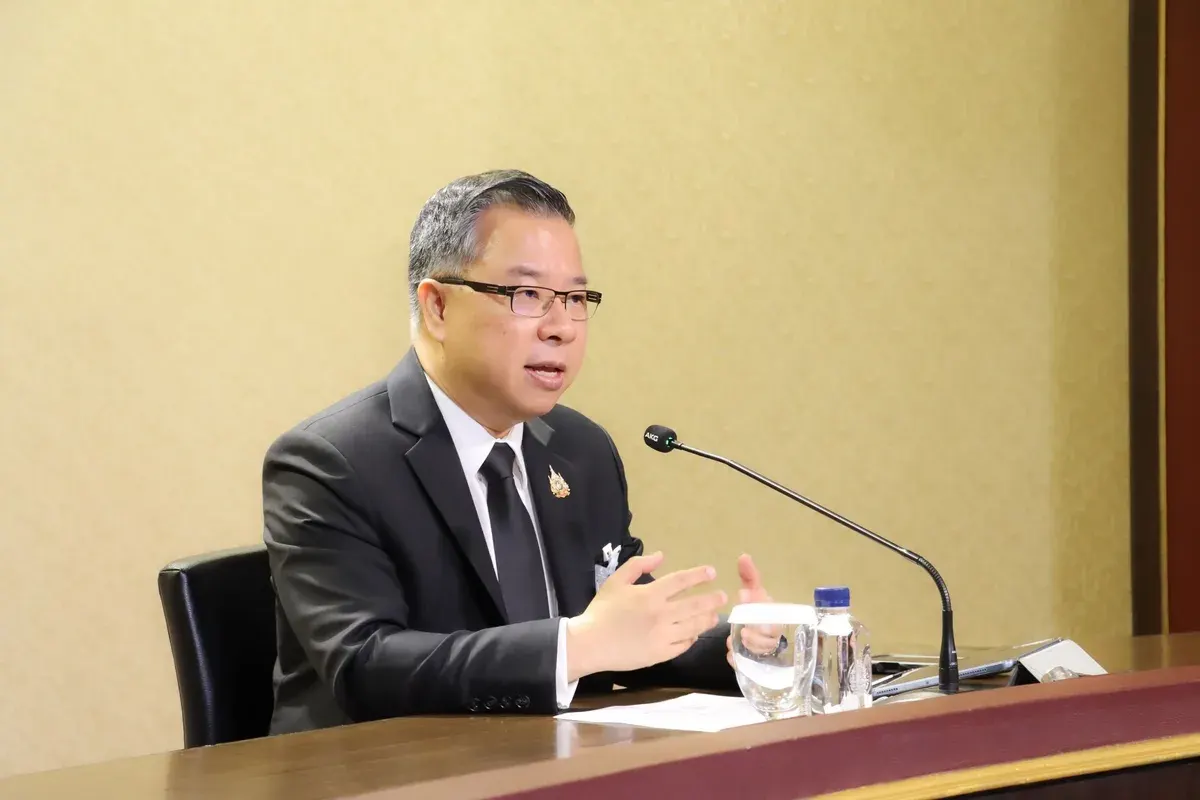
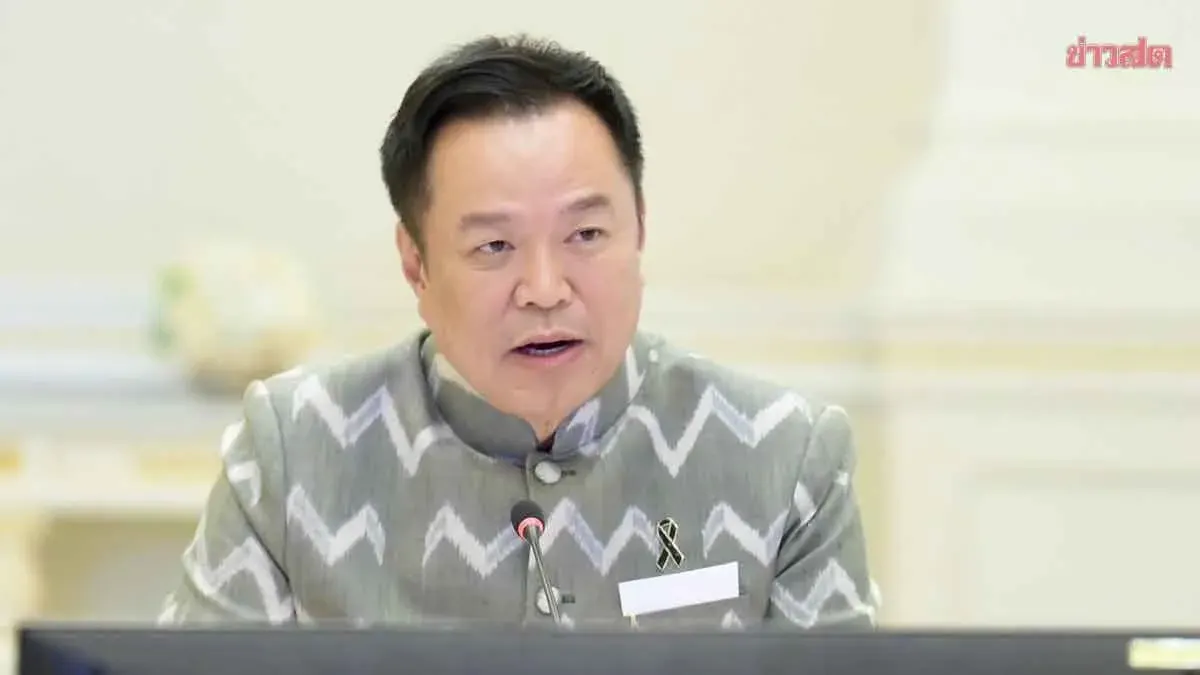
At 10:15 a.m. on July 23, 2569, Asapol Sannitriphop, a Phumi Thai Party MP from Sisaket and chair of the House committee on anti-corruption and misconduct prevention, spoke to reporters before the committee meeting to examine allegations of state officials' involvement in fraud during recruitment exams for civil servants and local government employees.
Asapol revealed that the committee had invited relevant agencies including the National Anti-Corruption Commission (NACC), the Financial Intelligence Unit, the State Sector Anti-Corruption Commission (PACC), the Royal Thai Police's suppression division, the Department of Special Investigation, and the Thai Anti-Corruption Organization. These bodies are tasked with investigating and prosecuting disciplinary and criminal cases related to the scandal. The meeting was called to monitor progress—specifically, how far various units have advanced. The NACC, for example, released 50 names of implicated officials but notably omitted the Permanent Secretary of the Interior Ministry and the Director-General of the Department of Local Administration, raising public questions about their absence from the investigation scope.
On the question of complaints filed with the House legal affairs committee that implicated Prime Minister Anutin Charnvirakul in the fraud, alleging proceeds would fund past elections, Asapol expressed full confidence in the premier's innocence, noting that he himself was the first to raise the exam fraud issue with Anutin in 2566, leading to a joint resolution by five agencies. "I can confirm that the Prime Minister wants wrongdoers held accountable under the law, and as chair of the anti-corruption committee, I am committed to collaboration—whether with opposition or government committees and anti-corruption bodies—because we want all involved in misconduct, regardless of rank, to face legal punishment," Asapol stated.