Anutin Orders Local Leaders to Unite, Confirms 10-Baht Fuel Cut
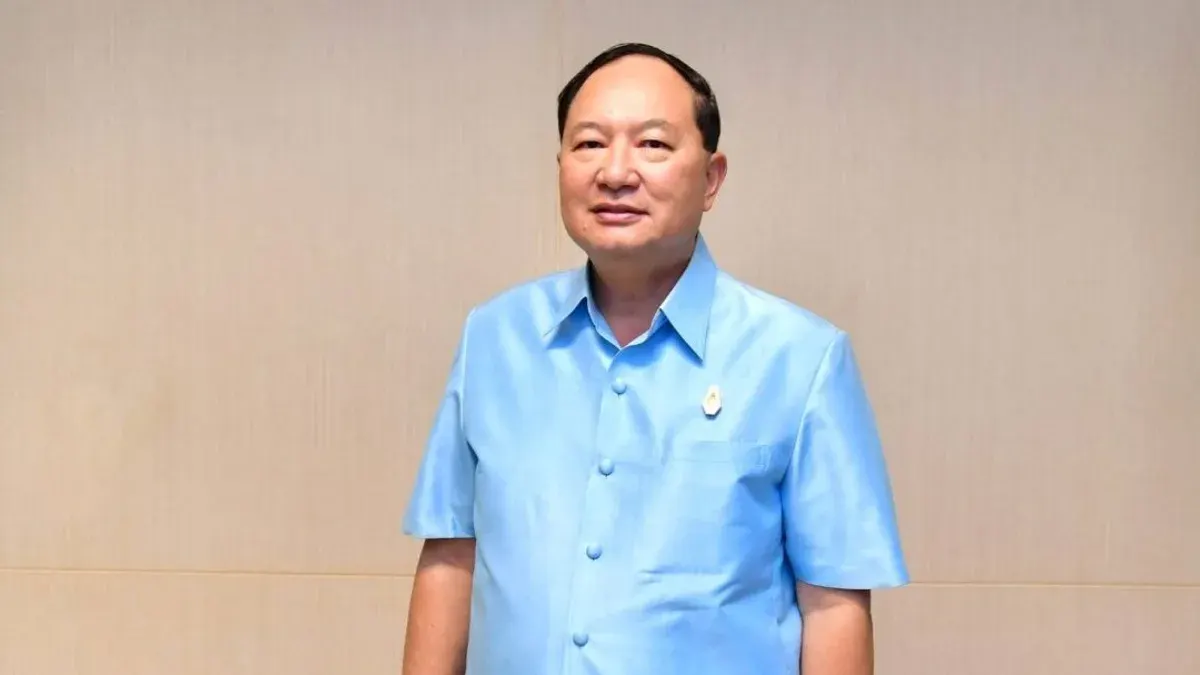
Deputy Prime Minister Anutin Charnvirakul addressed over 4,000 local administrators in Chonburi, urging provincial governors and PAO presidents to collaborate without political divisions. He confirmed a 10-baht fuel price reduction, ordered talks to allow older vehicles to use E20, and pledged massive flood-prevention projects to cut annual disaster relief costs by 50-60 billion baht. Anutin emphasized decentralizing budget authority and expanding local roles in economic development to keep younger generations in their home provinces.
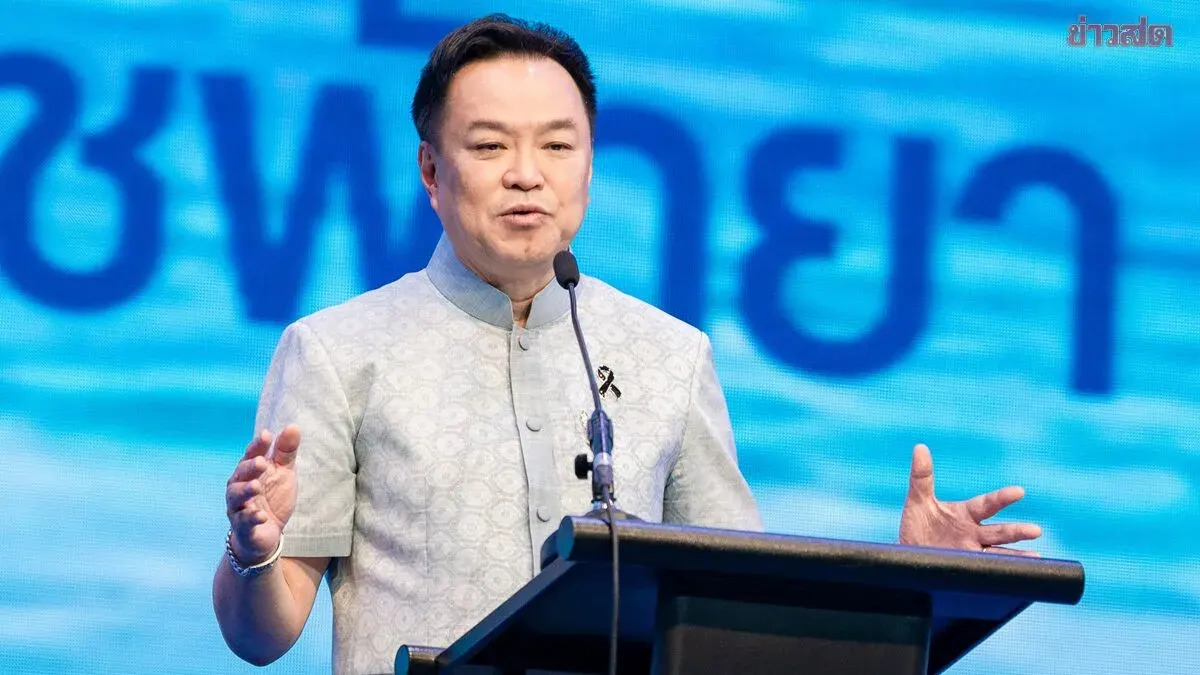
Deputy Prime Minister and Interior Minister Anutin Charnvirakul instructed provincial governors and provincial administrative organization presidents to work together without divisions, setting aside conflicts for the public good. He likened local administration to the government's arms and legs, closer to citizens than the central bureaucracy. Anutin confirmed fuel prices have already dropped by 10 baht, ordered talks with automakers to allow vehicles over 15 years old to use E20 gasoline, and explained that further pump-price cuts are limited by tax revenue needs. He also addressed the "blue vest" controversy, insisting the government has no party colors, only the "Pracharuam Jai for Thai Development Party," and vowed major flood-prevention projects that would cut annual disaster relief by 50-60 billion baht, questioning why previous administrations did not act.
At 10:20 a.m. on November 12, 2026, at the Nong Nooch Pattaya International Convention and Exhibition Center in Chonburi, Anutin Charnvirakul, in his capacity as Prime Minister and Minister of Interior, presided over the opening of a seminar to strengthen the capacity of local administrative networks toward sustainable quality of life for citizens. The event was attended by directors-general of Interior Ministry departments, the Chonburi governor, and provincial administrative organization presidents from across the country.
The Prime Minister said today marked another occasion to meet with more than 4,000 local administrators to discuss and exchange views, as well as to strengthen the network of local administrative organizations and enhance their collective potential. He emphasized that planning and cooperation at the provincial level are crucial, serving as a key role for every provincial administrative organization, because the country's strength does not depend solely on central government policies.
Anutin noted that a provincial administrative organization president is comparable to a provincial governor, but the difference is that PAO presidents are elected by the people of the province. Therefore, the central government is pleased to cooperate with local administrators in both budget allocation and distribution to various agencies with mutual trust. If successful, the benefits will flow to the public.
The Prime Minister reiterated his desire to see local administration play the maximum possible role in area development. The government will promote the greatest possible local role in developing the economy and society of their areas. The most concrete measure is decentralizing budget authority. Beyond that, he urged them to find ways to increase income opportunities for their localities and citizens. Consequently, the central government, provinces, and local bodies must plan together. Initiatives outside the budget framework do not mean they cannot be done, but must consider private-sector participation. If the private sector helps develop areas, create useful projects, or build basic public utilities, they can propose cooperation. The goal is to create jobs and opportunities so that children have a future in their hometowns without having to migrate elsewhere for work.
Furthermore, local administration must make public services accessible and convenient for all citizens. Providing convenience is a primary duty, not a special favor, and must not discriminate against any group. It must serve all citizens equally.
"We came together through votes from houses with fences and houses without fences, from those who hunt for breakfast and dinner and from billionaires. When they exercise their democratic rights, these votes are all equal. You must always remember that we come from them. Administration must be equal and universal. I repeat the word 'universal': every person holding a Thai ID card must be cared for wholeheartedly. We must consider that every convenience they receive is a cost, an expense, and time they must spend. When they come to file a petition or conduct business, they intend to make a living. We must commend their diligence and process matters quickly."