Anutin Orders Nationwide PM2.5 Prep, Stresses Prevention Over Reaction
The user wants a short summary of the article about Anutin ordering nationwide PM2.5 preparation. The summary must be 1-2 sentences, 120-220 characters, max 240. English only. No filler. Lead with what happened, then the most important deta
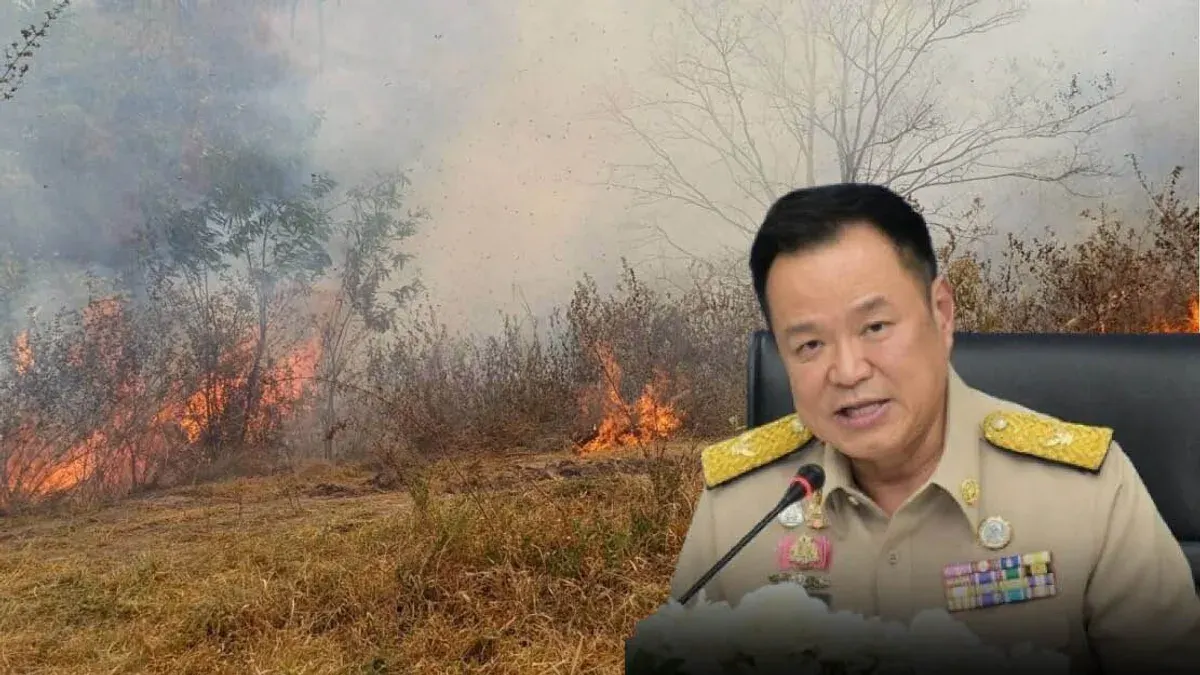
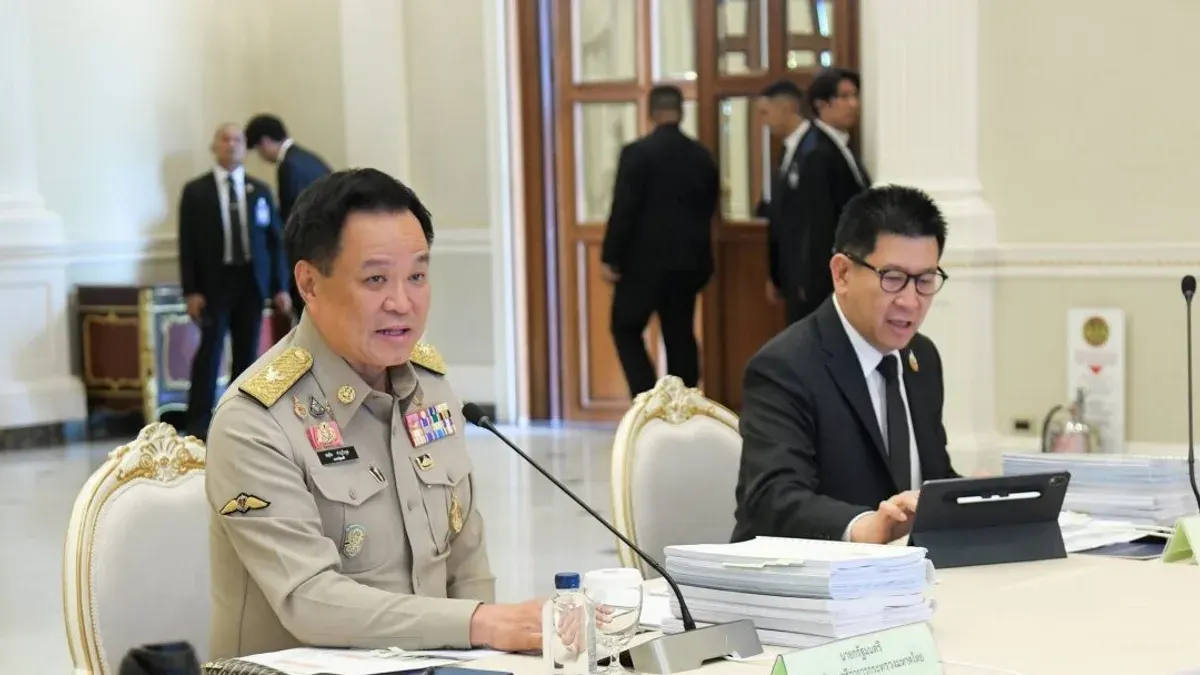
Deputy Prime Minister and Interior Minister Anutin Charnvirakul has instructed provincial governors nationwide to prepare for the PM2.5 season by strictly enforcing laws that control open burning, while urgently building understanding with farmers on managing agricultural waste without fire. At the same time, he ordered the Department of Disaster Prevention and Mitigation to coordinate with provinces and Bangkok on a standardized emergency response plan.
Although current dust levels remain within safe thresholds, the approaching year-end dry season brings reduced rainfall in many areas, making it easier for dust to accumulate. This combines with heightened risks from agricultural burning and forest fires that typically rise during the dry months. Early preparation is therefore essential so local agencies have clear action plans, know their roles, and can respond immediately when hotspots or illegal burning are detected.
Past dust crises have exposed weaknesses in the state's approach: reactive problem-solving, fragmented coordination, and inconsistent law enforcement. Authorities often scramble to issue measures only after pollution becomes severe, while systematic source reduction shows no clear results. Solutions must go beyond distributing masks, spraying water, or issuing occasional burn bans. Agencies must share data, set clear targets, and track outcomes rigorously.
Local administrative organizations in particular need sufficient budgets, tools, and support to help farmers handle agricultural waste without resorting to burning. Law enforcement must be paired with incentives and viable alternatives, because many farmers still face constraints in cost, time, and machinery. If the state focuses on penalties without addressing these limitations, the problem will likely recur.
Urban sources — vehicle emissions and construction dust — must also be controlled continuously. On transboundary haze, the government must seriously negotiate and push for cooperation with neighboring countries, but should not use external factors as an excuse to dodge responsibility for domestic sources that Thai agencies can tackle directly.
The government's decision to begin PM2.5 preparations at year-end, while the situation is not yet critical, is a positive signal. But what matters more than orders is practical results. The Interior Ministry, the Disaster Prevention Department, and provincial administrations must coordinate and act immediately, not wait for a crisis. Lessons from recent years show that once dust blankets cities and people fall ill, and pollution exceeds standards, fixing the problem becomes far harder and more expensive than preventing it from the start.