Thai SMEs submitted a five-point economic plan to the government at a forum in Bangkok, calling for expanded market access, easier financing, technology adoption, regulatory reform, and workforce development to strengthen small businesses n
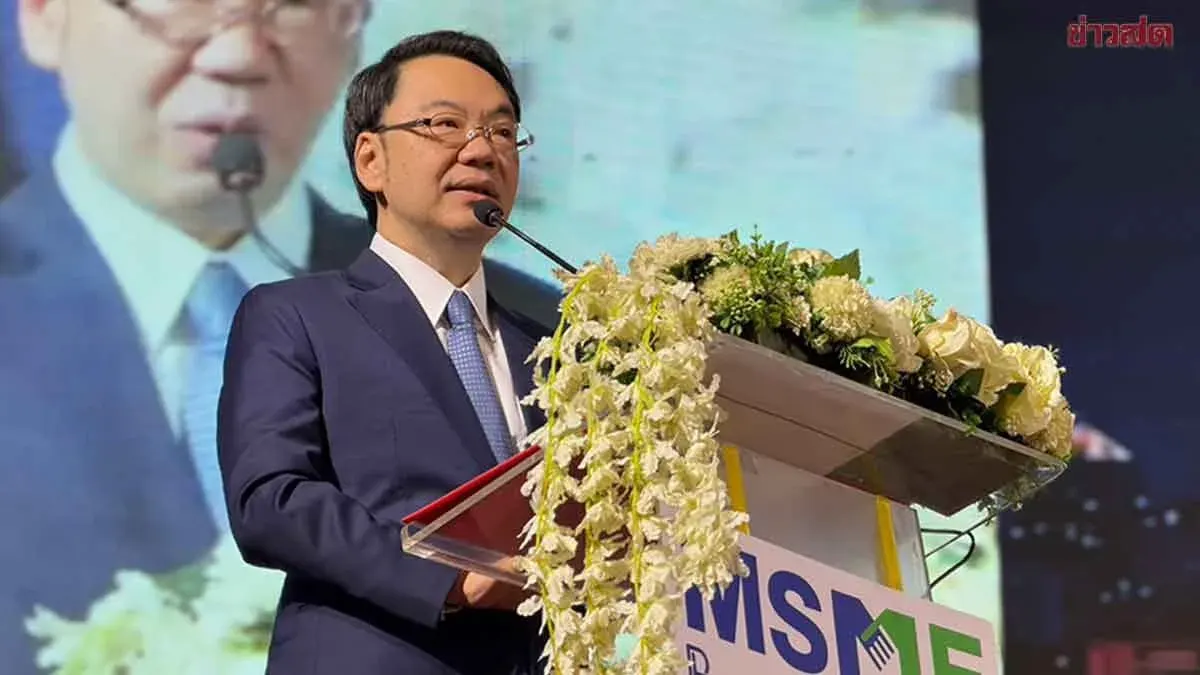
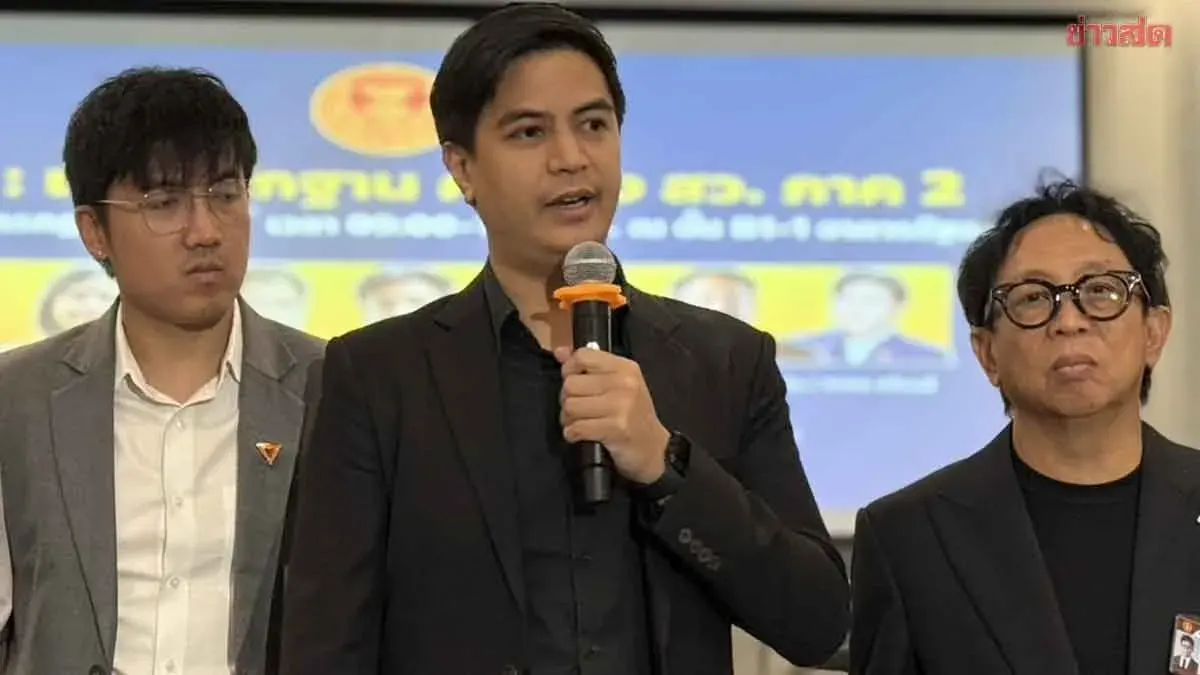
The Thai SME Federation and small business operators submitted a comprehensive policy blueprint to Deputy Prime Minister Ekniti Nitithanprasad, Minister of Finance, at the THAI MSME FORUM 2026 held July 24–26, 2026, at the Sri Saman Building of the Office of the Permanent Secretary, Ministry of Defence. The three-day forum, themed "Transform Policy into Business Opportunity," drew more than 1,400 participants including MSME entrepreneurs, federation members, business networks, government and private-sector representatives, and allied organizations nationwide to shape grassroots economic development and push for policy proposals tailored to Thai business operators.
The blueprint, titled "Blue Book: Proposals to Drive MSME and Grassroots Economy," synthesizes feedback gathered over several months through nationwide stakeholder meetings, workshops, and surveys. Rather than a proposal from the federation alone, it represents a collective voice from entrepreneurs across all regions of Thailand. The document addresses structural challenges facing MSME operators through five key agendas: (1) creating market opportunities by expanding domestic and foreign trade channels and improving access to government procurement; (2) improving access to financing through suitable financial mechanisms and reduced credit barriers; (3) promoting technology and innovation through AI, digital tools, and innovation to boost productivity and competitiveness; (4) establishing fair rules by streamlining laws, regulations, and bureaucratic procedures to be convenient and transparent; and (5) building human capital and organizational capacity through skills development and management training.
Niphon Theeraworn, chairman of the Thai SME Federation, stated that the forum aims to create a platform where entrepreneurs collectively shape the future of Thai MSME rather than merely receiving policy directives from government. The federation has spent over a decade serving as a central organization linking MSME networks across regions and partnering with government, private sector, and allied organizations to advance policy proposals, develop knowledge, create market opportunities, and strengthen Thai entrepreneurs' competitiveness in the new economy. Deputy PM Ekniti endorsed the collective effort and instructed state agencies to accelerate implementation of low-interest lending programs for business operators.