Finance Ministry Plans to Use Welfare Cards for Student Loans
We need to produce short summary 1-2 sentences, 120-220 characters, never more than 240. Provide English only, factual. Lead with what happened, then most important detail (who, where, when). One detail only. Article: Thailand's Ministry of
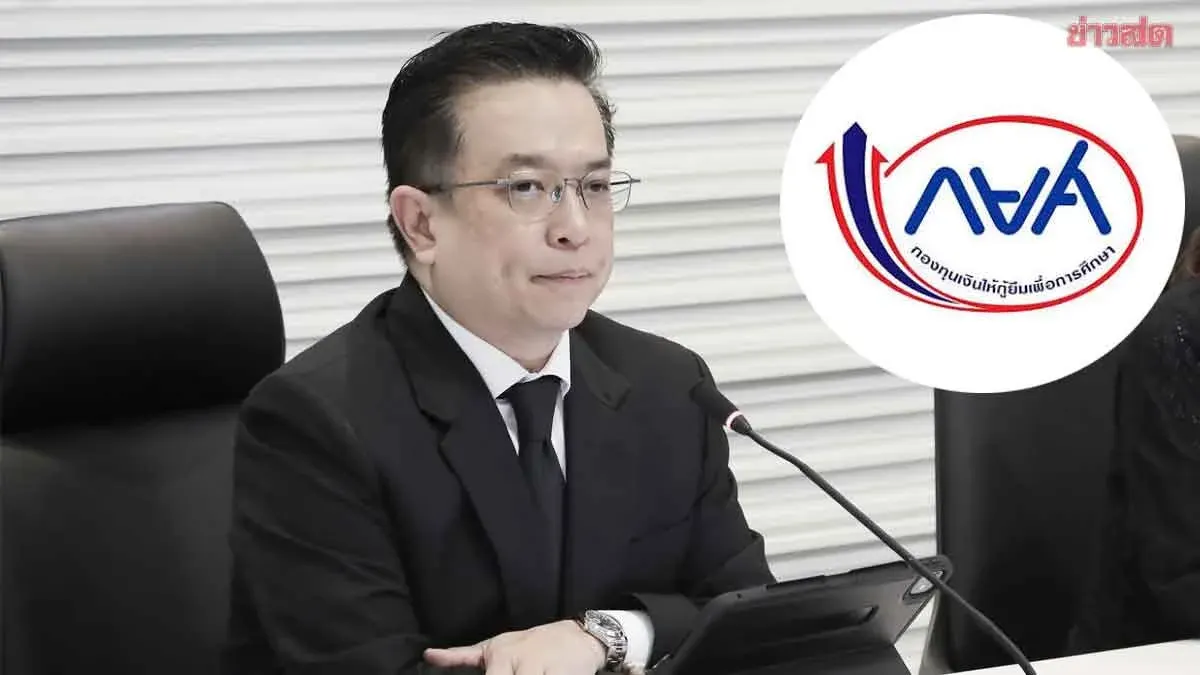
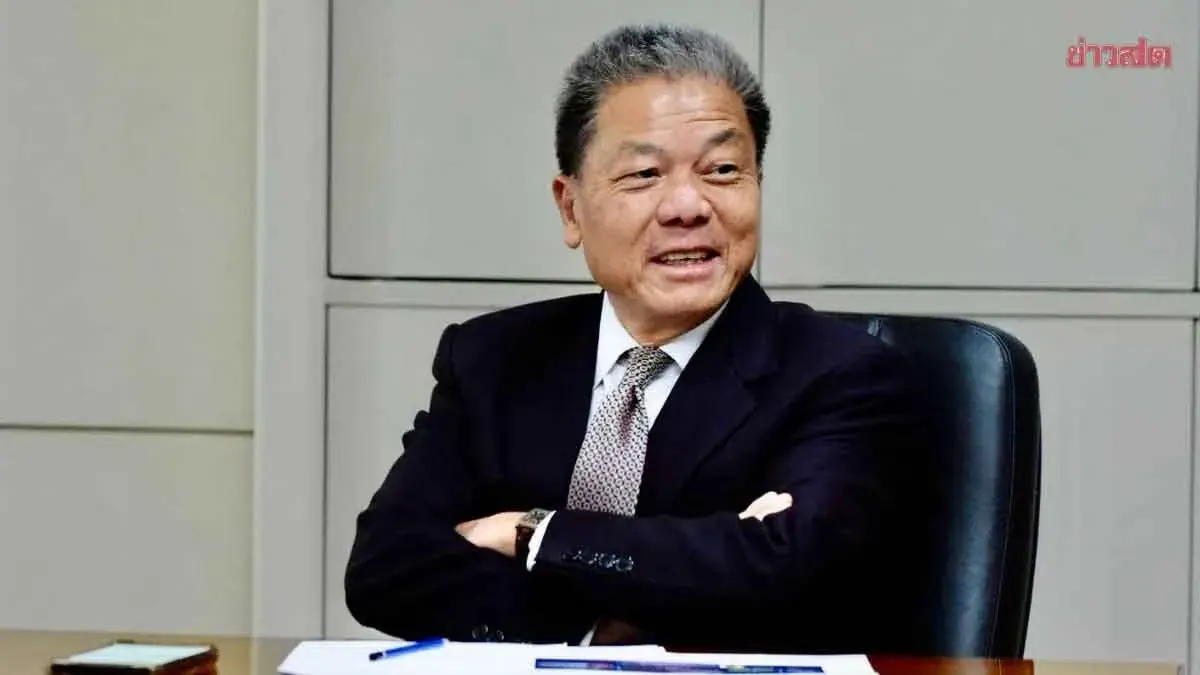
Mr. Winit Wisetsuwanphum, Director of the Fiscal Policy Office and chairman of the Student Loan Fund (GYSF) board, said that on September 29 the Cabinet approved an emergency budget of about 1.2 billion baht to boost liquidity for GYSF after the 2026 academic year saw roughly 14,000 students applying for loans beyond the set limit, totaling over 1.206 billion baht. Originally GYSF had requested around 4.8 billion baht from the central budget, but intensified debt collection and better fund management reduced the actual need to about 1.2 billion baht, which has been approved. Starting October 1, 2026, GYSF will receive an additional annual budget of approximately 9 billion baht, enabling cash‑flow management and support for students.
He noted that while more funding is needed, measures have been taken, meetings held, and debt‑tracking systems adjusted. The core problem for GYSF is not just finding money but increasing repayments from previous borrowers so the revolving fund can continue to lend to new students. Data show that about 790,000 borrowers received loans in 2026, a record high, while repayments plus counterpart funding total roughly 35 billion baht.
Winit explained that, ideally, each new borrower should be backed by about five seniors repaying their loans, but currently only two out of five do so, while three do not, creating liquidity pressures. He admitted that the three non‑paying seniors are presently untraceable.
Government policy aims to ensure that education opportunities are not limited by budget, so solutions must address both liquidity and recovering money from past borrowers. With the new budget, GYSF will pursue those three groups but will avoid blanket debt collection; instead, it will distinguish those truly unable to pay from those capable but prioritising other debts or withholding payment.
GYSF will link its data with the state welfare card programme and the Finance Ministry’s Data Lake to identify genuinely struggling borrowers who deserve assistance, while those with income and repayment ability will undergo appropriate follow‑up.
For truly distressed borrowers, interest rates may be lowered or repayment plans adjusted; for capable borrowers who refuse to pay, stricter monitoring, possible interest or penalty adjustments for specific groups may be applied.
Improved data integration has clarified the issue: the "senior three" group comprises about two million accounts needing review and management. One problem found is duplicate names between defaulters and current payers, for example graduates whose first employer does not deduct salaries but they repay via periodic transfers.