Deputy PM Ekarniti Launches 14-Point Plan to Boost Thai Investment
We need a short summary 1-2 sentences, 120-220 characters (max 240). Must be English, factual, lead with what happened, then the single most important detail. Not repeat title verbatim. Provide summary only. Let's craft: Deputy Prime Minist
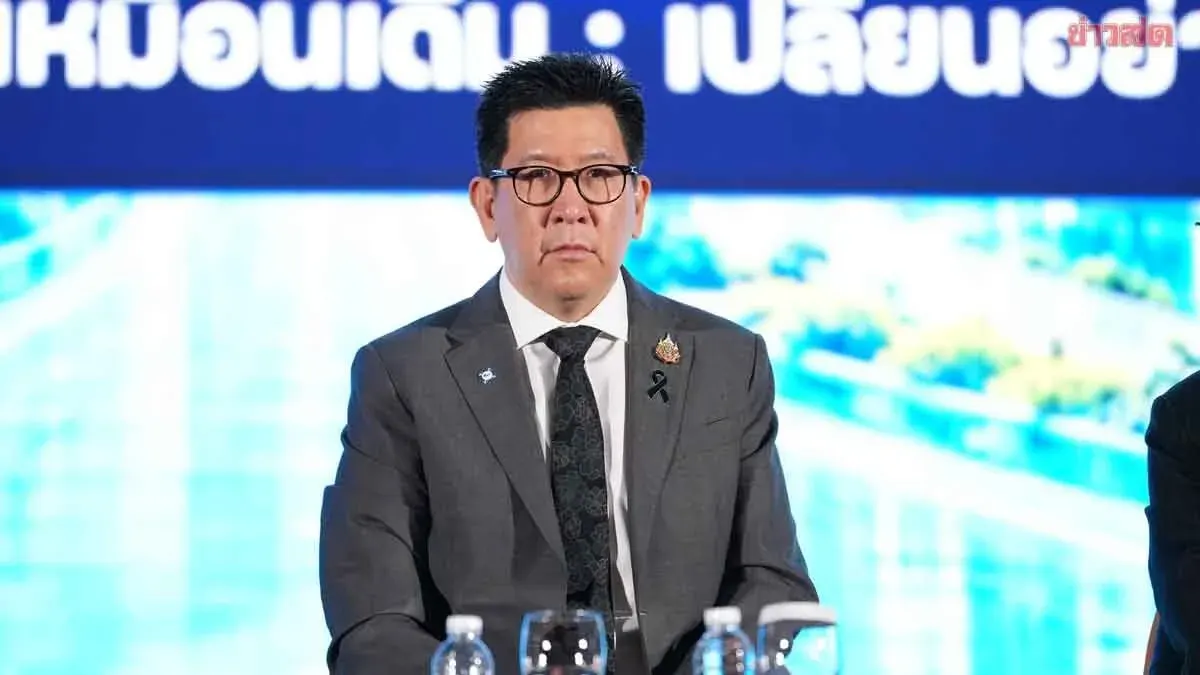
Ekarniti Nitithanpraphat said Thailand’s economy is confronting four major challenges: economic growth, fiscal stability, income and social distribution, and environmental sustainability. He noted that growth has fallen from an average of about 7% before the 1997 crisis to roughly 4% during 1997‑2000 and now remains below 3%, mainly due to a sustained drop in new investment, which he likened to a factory using outdated machinery while the workforce ages—over 20% of the population is now over 60.
To tackle these issues, he urged raising productivity through investment in technology, innovation, and AI, coupled with upskilling workers for high‑quality jobs. On the fiscal side, although Thailand holds strong foreign reserves of around US$300 billion, discipline in public finances is needed after high COVID‑19 spending, along with attention to household debt and SME financing.
Income inequality remains pronounced, with the top 20% of earners capturing about 50% of national income while the bottom 20% receive less than 5%. He called for greater investment in human capital, new skills, and AI tools to boost small entrepreneurs and grassroots businesses, and for stronger links between educational institutions and industry needs.
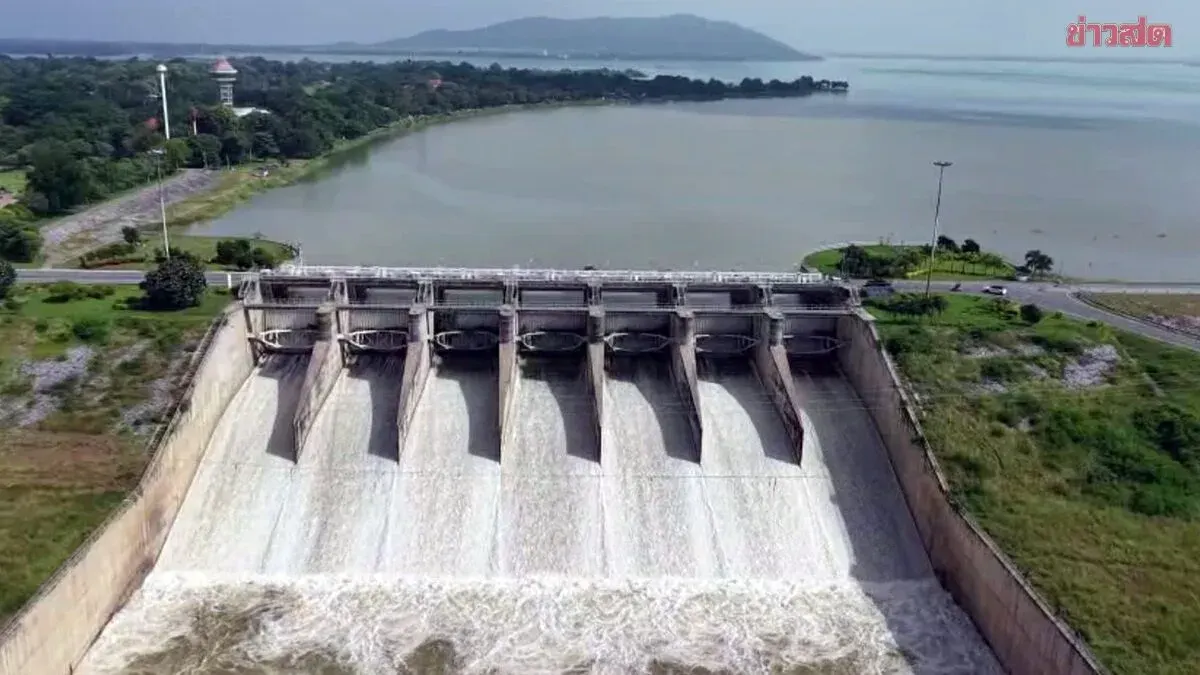
Environmental challenges such as droughts, floods, and climate change require accelerated investment in water‑management systems and a shift to clean energy, reducing reliance on oil and natural gas while promoting renewables and storage.
Amid geopolitical tensions, Ekarniti sees Thailand as a potential hub for new supply chains, but this will demand public‑private cooperation, revival of the Gor. mechanism, and focus on seven target industries: smart agriculture, food processing, smart electronics, electric vehicles, health and wellness, quality tourism, and the creative economy, to spread added value to SMEs and workers nationwide.
He emphasized that the 14‑point plan must not stay on paper; it needs clear, measurable short‑ and long‑term targets, prioritization, and integrated agency action to turn ‘Idea’ into ‘I do’ and deliver real economic reform.