Duck Foot Flower Scent Divides Opinions; Tree Has Medicinal Uses
The duck foot tree, common across Thailand, signals winter with its intensely fragrant flowers that smell sweet to some but cause headaches and nausea in others due to high concentrations of linalool and other essential oils. Despite the divisive scent, nearly every part of the tree — bark, sap, leaves, and latex — holds significant value in traditional medicine for treating diabetes, respiratory ailments, digestive issues, and pain.
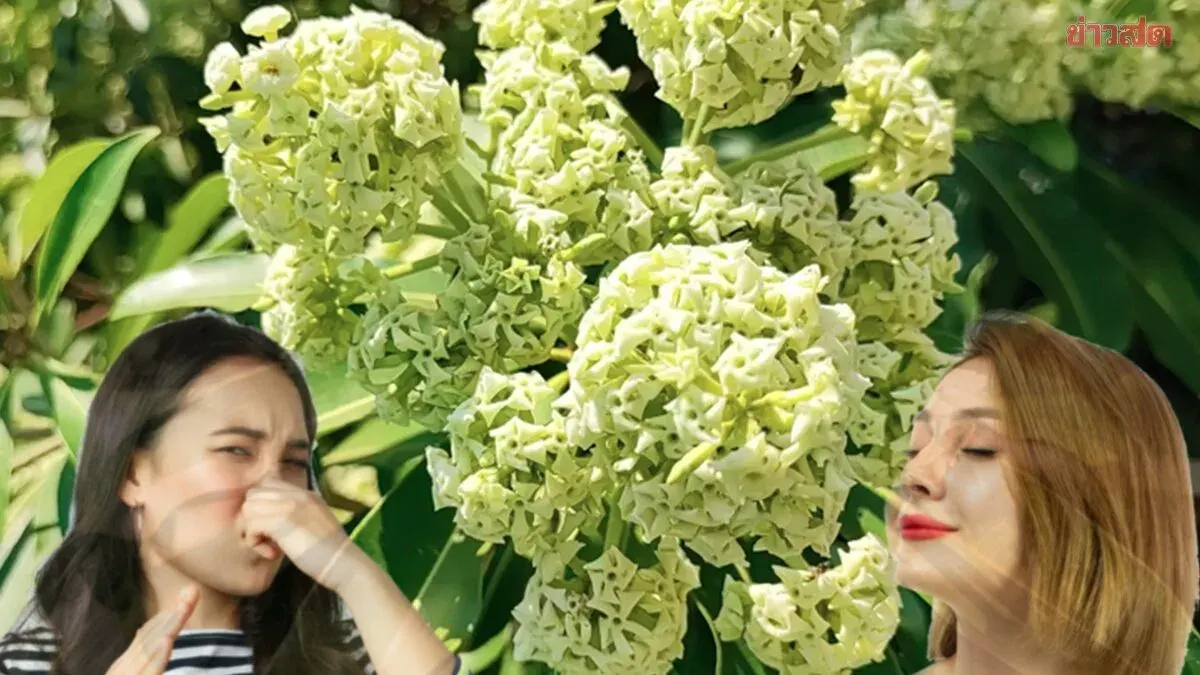
Beyond the cool breezes that signal winter's arrival, the unmistakable fragrance of duck foot flowers is another sure sign the season is changing. The duck foot tree, also known as the scholar tree, is a large evergreen native to Southeast Asia that grows 12 to 20 meters tall and is found throughout Thailand, often planted along roadsides. Its canopy spreads like an umbrella, and when its clusters of white or pale green flowers bloom simultaneously, they release an intensely powerful scent that has earned the tree the nickname 'devil tree.'
Aside from providing ample shade and absorbing carbon dioxide, the tree is classified as a Thai medicinal herb. Its bitter bark stimulates appetite, lowers blood sugar, alleviates diabetes symptoms, treats asthma, coughs, bronchitis, dysentery, and intestinal disorders. Boiled bark water can relieve heat rash and itching. The sap is used for earaches and toothaches, while young leaves treat urinary issues. In India, the latex is applied to ulcers, abscesses, and joint pain.
The reason reactions to the scent vary so widely lies in the flowers' concentrated essential oils — more than 34 compounds, with linalool as the primary component. Linalool stimulates the nervous system, which can trigger headaches and dizziness, especially in people sensitive to perfumes; some may even vomit from brief exposure. The scent is strongest in the evening. Despite the olfactory controversy, the tree remains valuable for its shade, hardiness, environmental benefits, and extensive medicinal properties.