Ancient Citrus Fruit Transformed Into Five Products for Wellness Tourism
A Uthai Thani village cooperative transforms som-sa, an ancient heirloom citrus fruit, into five wellness products including essential oil and mosquito repellent to boost sustainable livelihoods and attract health tourism.
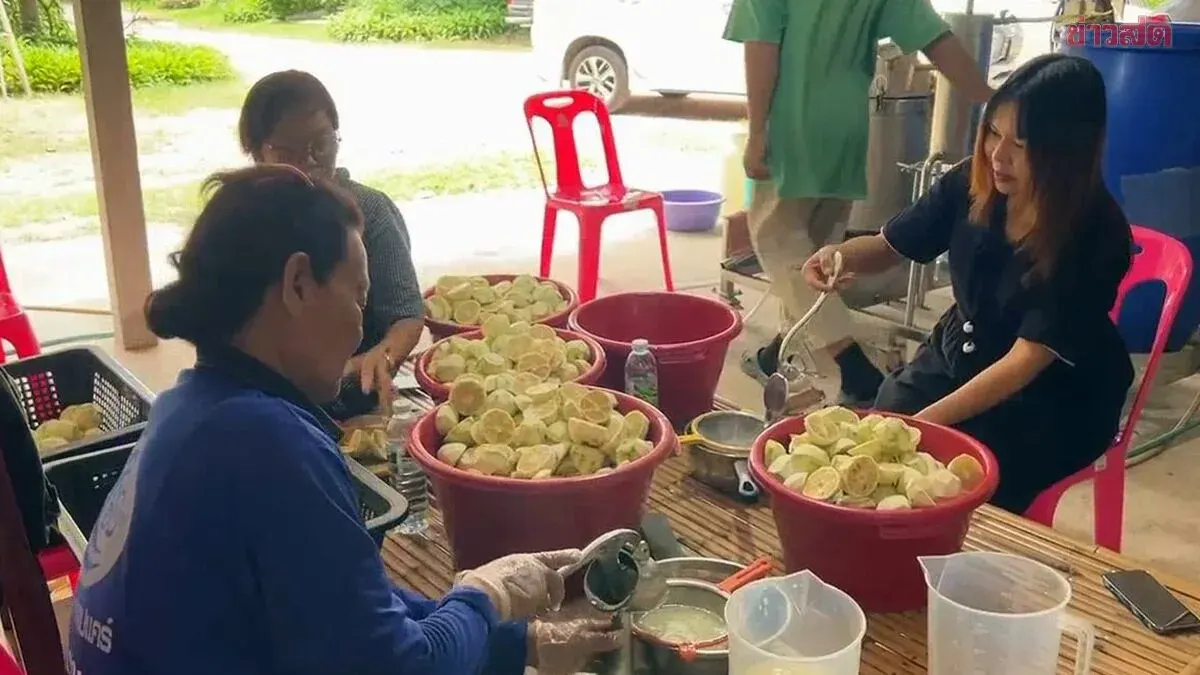
Residents of Khun Jad village in Uthai Thani have formed a community enterprise group called Hom Saakaeng Krang, turning som-sa—an ancient heirloom citrus fruit once grown only in home gardens—into five commercial products to support sustainable livelihoods and develop the community as a health tourism destination. The som-sa fruit, notable for its thick bumpy skin resembling bergamot, tart-sweet juicy flesh, and distinctive fragrance, has become an economic asset for the 15-member cooperative.
The group's key innovation is extracting essential oil from som-sa peels, which contain high levels of limonene, a valued chemical compound. The process begins with purchasing fruit from local farmers, cleaning it, peeling the skin, and distilling it using specialized equipment to produce high-quality essential oil that serves as the base for multiple products.
The five products developed to date are: pure som-sa essential oil for aromatherapy, Aroma Fresh portable inhalation products to relieve dizziness and motion sickness, som-sa mosquito repellent spray made by steeping peels in alcohol then blending with borneol and essential oil, som-sa-shrimp paste dip, and som-sa marmalade (Marmalade) for spreads and beverages.
For marketing, the group sells products at trade shows throughout Uthai Thani and Bangkok, and operates a Facebook page called "Hom Saakaeng Krang." The cooperative is also positioning the community as a wellness tourism destination, welcoming visitors to learn about and experience local life. Som-sa is a signature fruit of Uthai Thani province, grown in home orchards across eight districts on about 194 rai of land by 1,267 farmers, producing for approximately six months starting in June.
Mathurat Hun-lon, chair of Hom Saakaeng Krang cooperative, noted that while som-sa has been developed to larger sizes while retaining its distinctive aroma, the peel is processed into various products to add value and generate income for households. The remaining fruit flesh after peeling can be squeezed for drinking juice or used in cooking as a substitute for lime or tamarind paste, adding its unique sweet-tart flavor and fragrance.
From a simple backyard fruit to diverse health and beauty products welcoming tourists, som-sa has evolved from a local fruit into a sustainable economic tool for the Khun Jad community.