Ayutthaya's Wat Na Phra Meru Survives Burmese Invasion, Remains Intact
Wat Na Phra Meru in Ayutthaya is the sole temple to survive the 1767 Burmese destruction intact, thanks to its use as an enemy garrison. Its mid-Ayutthaya ubosot houses a towering crowned Buddha image unique for its period, and legend credits the icon with a miracle that killed the invading Burmese king in 1760. The site remains a major pilgrimage and tourist destination showcasing pristine Ayutthaya art and architecture.
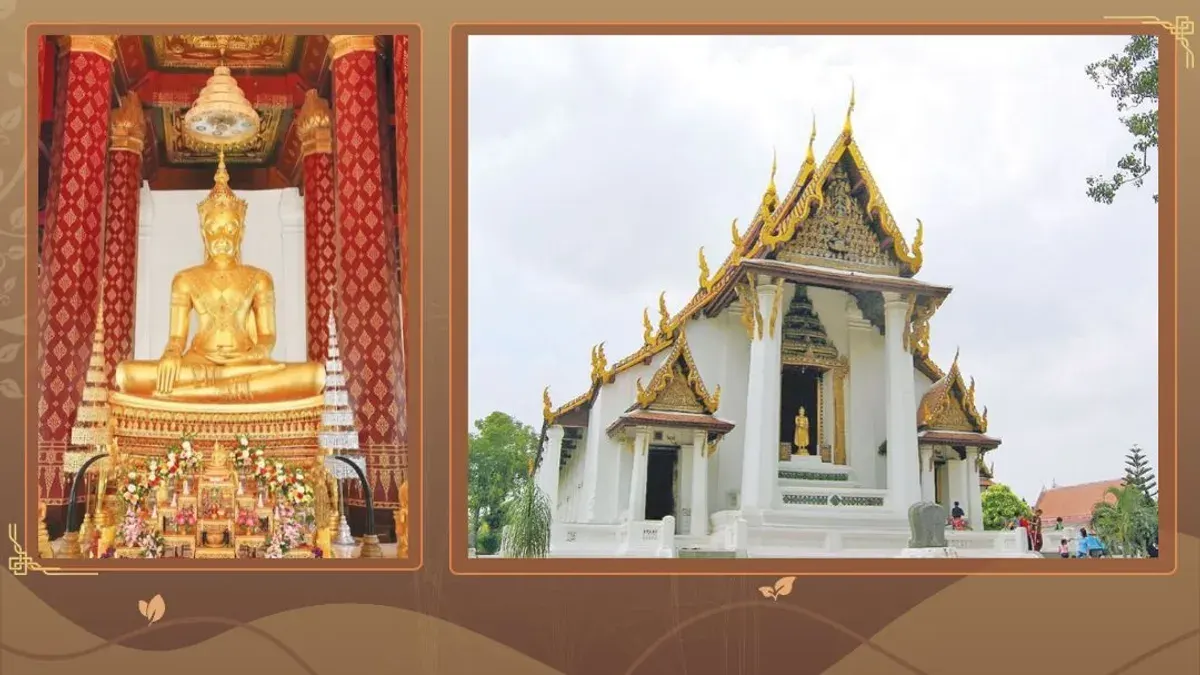
Phra Nakhon Si Ayutthaya, the old capital, was Thailand's ancient royal seat, once prosperous and filled with temples and palaces. After the second fall of Ayutthaya in 1767, the Burmese burned the city to the ground, leaving only fragments of Buddha images to reflect its former splendor. Yet one sanctuary miraculously survived: Wat Na Phra Meru. Spared because it stood near the Grand Palace and served as a Burmese garrison, the temple preserves pure Ayutthaya-period artistry. Inside its grand mid-Ayutthaya ubosot sits the principal image, Phra Buddha Nimitt Wichit Maramoli Sri Sanphet Borom Trai Lokanat — a 4.4-meter-wide, 6-meter-high crowned Buddha in full regal attire, the only large Ayutthaya-era crowned Buddha still enshrined as a main image in an ubosot. Most such principal images date from the early Rattanakosin period. The image's name signifies its miraculous power and status as a refuge for all three worlds. According to chronicles, in 1760 King Alaungpaya positioned cannons at Wat Na Phra Meru and personally lit the fuse, but the ground erupted, bursting the cannon and fatally wounding him; the Burmese withdrew and the king died before reaching Tak. The temple sits on Khlong Sa Bua opposite the Ancient Palace. Legend says it was founded by King Ramathibodi II around 1493–1494 as Wat Phra Meru Rachikaram, later renamed Wat Na Phra Meru, possibly on a royal cremation site. Visitors today can still admire its perfectly preserved Ayutthaya architecture and the awe-inspiring principal Buddha.