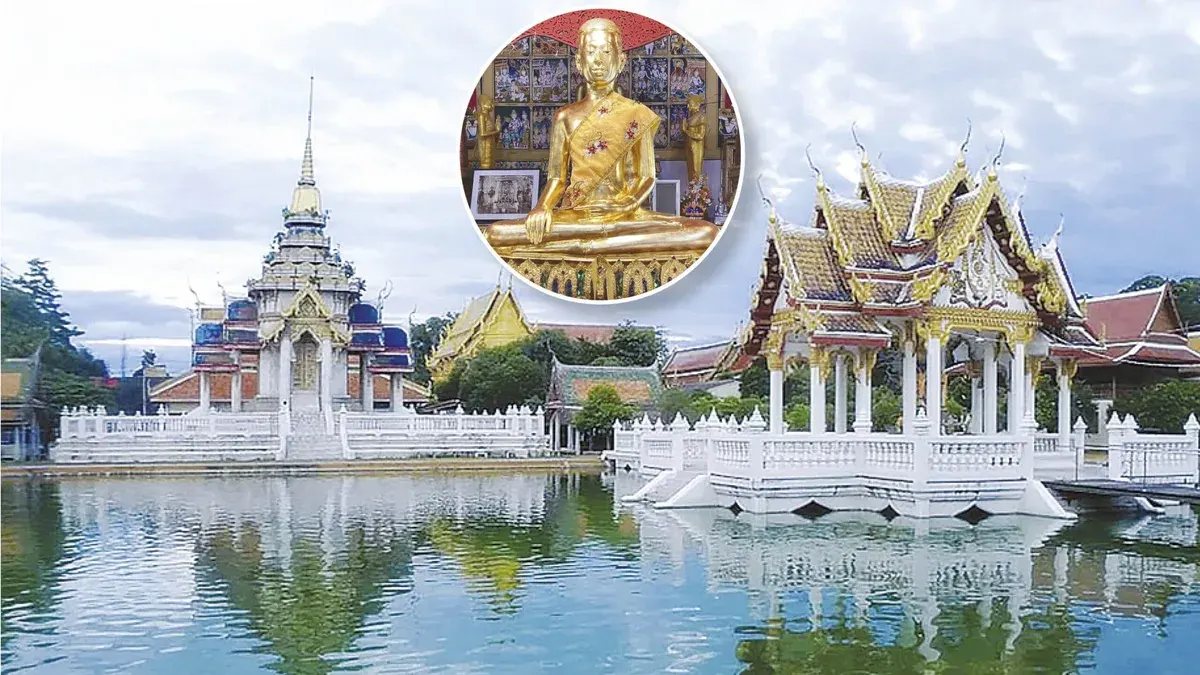
Historic Wat Lai Honors Sacred Phra Sri Ariya Buddha
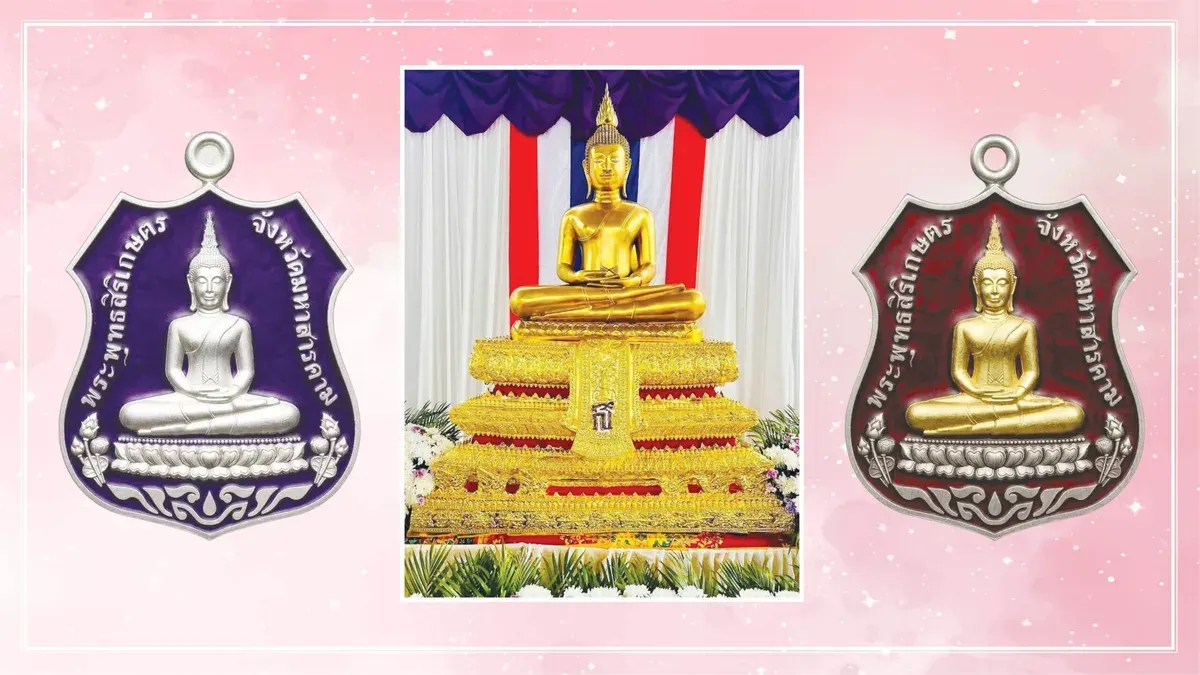
Lopburi's historic Wat Lai temple, dating back to the Ayutthaya or Sukhothai era, houses the revered Phra Sri Ariya Maitreya Buddha image. The gilded bronze statue, restored under King Chulalongkorn, is central to a centuries-old legend involving a devoted layman and divine intervention. The temple hosts three major annual festivals attracting pilgrims nationwide.
Lopburi, the ancient city of Lavo, has been a center of Thai civilization since prehistoric times and served as a secondary capital during King Narai's reign. The province is rich in historical sites and sacred objects from multiple eras and is famed as a source of revered amulets.
Wat Lai in Tha Wung district, Lopburi, is one of the province's most important ancient temples, believed to have been built in the early Ayutthaya period or possibly as far back as Sukhothai.
During King Rama V's reign, the temple underwent a major restoration. The complex contains valuable historical and religious structures and artifacts, including the ordination hall, a nine-chambered assembly hall, and several sacred Buddha images.
The temple's widest renown comes from the Phra Sri Ariya Maitreya (Phra Sri Ari), a profoundly sacred Buddha image revered by Buddhists nationwide.
Phra Sri Ariya Maitreya is cast from bronze, gilded with gold leaf, in the Rattanakosin artistic style. The face is 92 centimeters wide and 107 centimeters high. It displays the features of a disciple Buddha — a bald head without a flame aureole (resembling an ordinary human) — seated in meditation resembling the Mara-vijaya posture. This is a replica of the original, which was heavily damaged when a forest fire burned the assembly hall. King Chulalongkorn (Rama V) ordered the ruined image brought to Bangkok for restoration and commissioned Prince Pradit Warakan to reconstruct it as seen today.
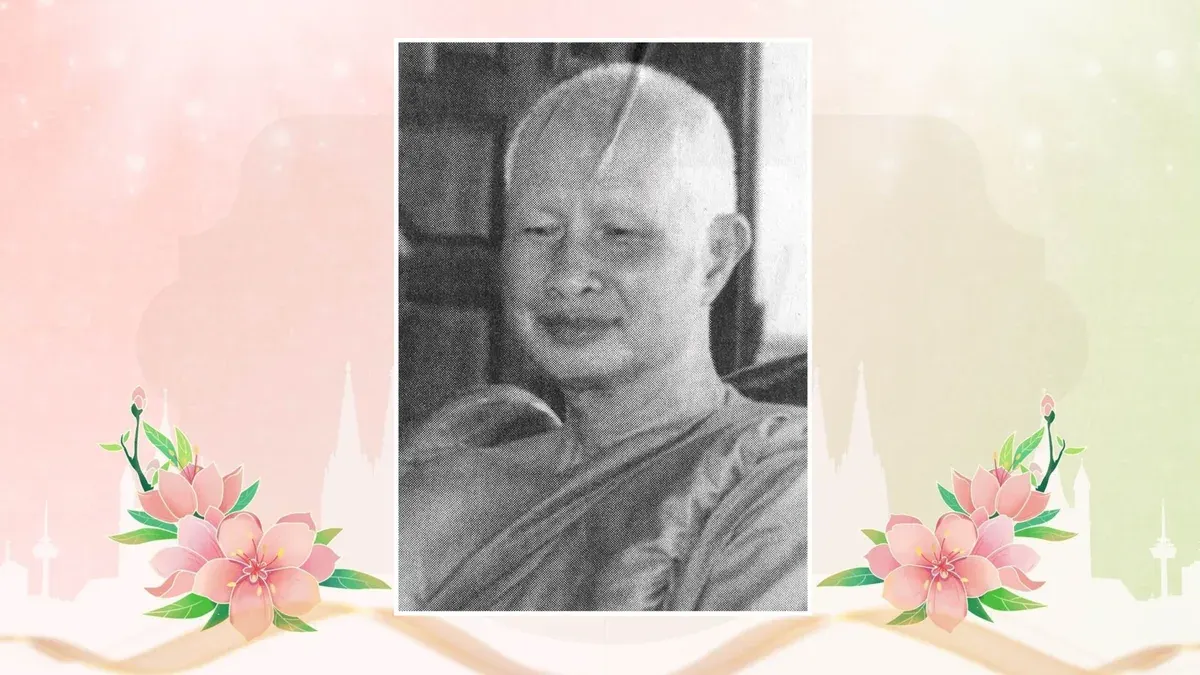
Historical records state the original Phra Sri Ariya Maitreya was cast in King Prasat Thong's reign to replace the legendary Phra Sri Ariya Maitreya who was born locally, ordained at Wat Lai, perfected his Buddhist practice, and passed away to return to heaven. Villagers jointly cast a replacement for worship. A legend recounts:
An elderly man named Manda diligently observed precepts and meditation, wishing to live long enough to meet the future Buddha Phra Sri Ariya. Before dying, he instructed relatives to keep his body for seven days before cremation. When Manda died, the deity Indra received his spirit and announced that Phra Sri Ariya had already been born as a human and ordained at Wat Lai, though his appearance was unknown. Indra gave Manda a single lotus flower to offer to Phra Sri Ariya before returning his spirit to his body.
Manda revived, told his relatives, and rushed to Wat Lai. The monks were chanting the Patimokkha in the ordination hall. Manda waited at the stairs, holding the lotus. When the monks exited, none accepted the flower because they saw only Manda sitting there. Manda asked a novice if all monks had left; the novice replied one named Phra Sri remained in his quarters due to illness. Manda hurried to Phra Sri's quarters to offer the lotus. Phra Sri rose joyfully to receive it. Manda asked to serve Phra Sri Ariya, who swore him to secrecy.
Later, when Phra Sri Ariya passed away, the monks and laity learned the truth and jointly cast a statue, but could not complete it. Indra descended to finish the casting in an instant. When the monks and novices returned, they found the completed image — a wonder.
Phra Sri Ariya Maitreya at Wat Lai has been deeply revered for hundreds of years. Three major annual festivals are held to pay homage to Phra Sri Ari.