Wat Rai Khing Buddha Image Draws Devotees to Annual Festival
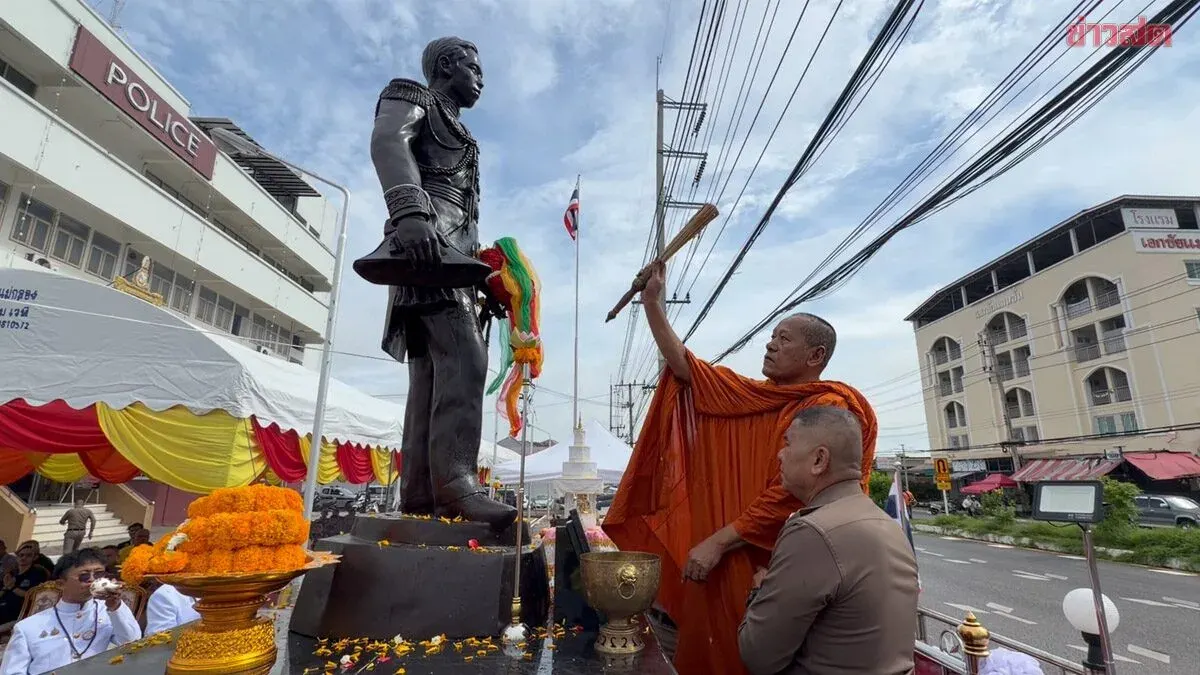
The sacred Luang Pho Wat Rai Khing Buddha image in Nakhon Pathom is renowned for its miraculous rain‑making during Songkran and its annual gold‑leaf festival. Locals believe the statue can cure illness and bring good fortune, and its amulets—especially the 1924 medal and the circa 1917 cast version—are highly sought after. The temple’s history links the image to the monk Somdet Phutthachan (Phuk) and a legend of brother‑images that floated downstream from the north.
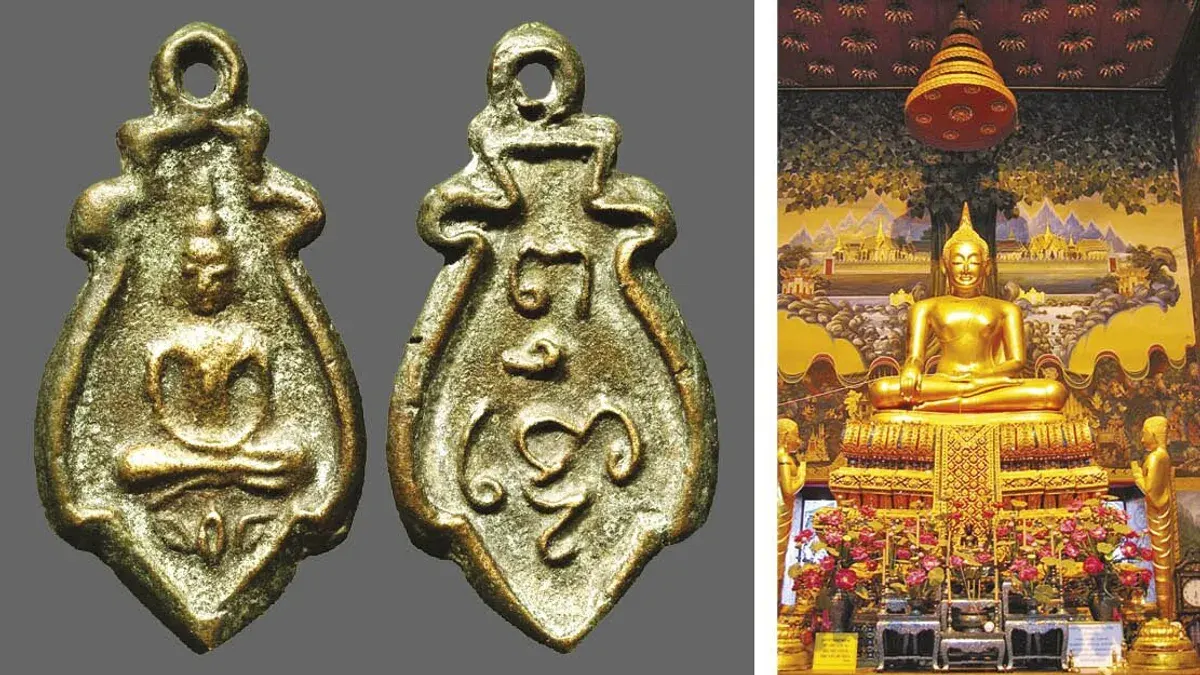
The Luang Pho Wat Rai Khing Buddha statue, depicted in the Mara Vijaya posture, measures four cubits two inches wide across the lap and four cubits sixteen inches tall, resting on a five‑tiered base with a heavenly cloth draped down and facing north. Its beauty blends Chiang Saen, U Thong and Sukhothai styles, though no record shows who made it or when. Temple chronicles say the image is connected to Somdet Phutthachan (Phuk), who once held the rank of Phra Thammarajanuanuwat at Wat Sala Pun in Ayutthaya. According to legend, during a Songkran ceremony the fierce midday sun gave way to dark clouds and rain as the image was lifted from the water, prompting worshippers to pray for coolness and abundance. This miracle led to the annual gold‑leaf fair held on the fifteenth waxing day of the fifth lunar month, featuring nine days and nights of entertainment, the launching of ‘chula’ kites, fireworks and traditional dance. Villagers believe the statue can dispel all disease and misfortune and grant luck to those who pay respects. Among its famous amulets, the 1924‑issued Luang Pho Wat Rai Khing medal is prized as the first version, while cast medals made around 1917 are also highly regarded.