Historic Floating Buddha Image Draws Pilgrims to Samut Songkhram Temple
The legendary floating Buddha image Luang Pho Wat Ban Laem, housed at Wat Phet Samut Worawihan in Samut Songkhram, is revered for its miraculous powers and historic ties to Thai royalty. According to local lore, the statue was recovered from the Mae Klong River after a storm and has since attracted pilgrims seeking healing, prosperity and protection. Its fame was cemented during a 19th‑century cholera outbreak when holy water distributed by the abbot helped end the epidemic, and members of the Chakri dynasty have long made regular visits to pay respects.
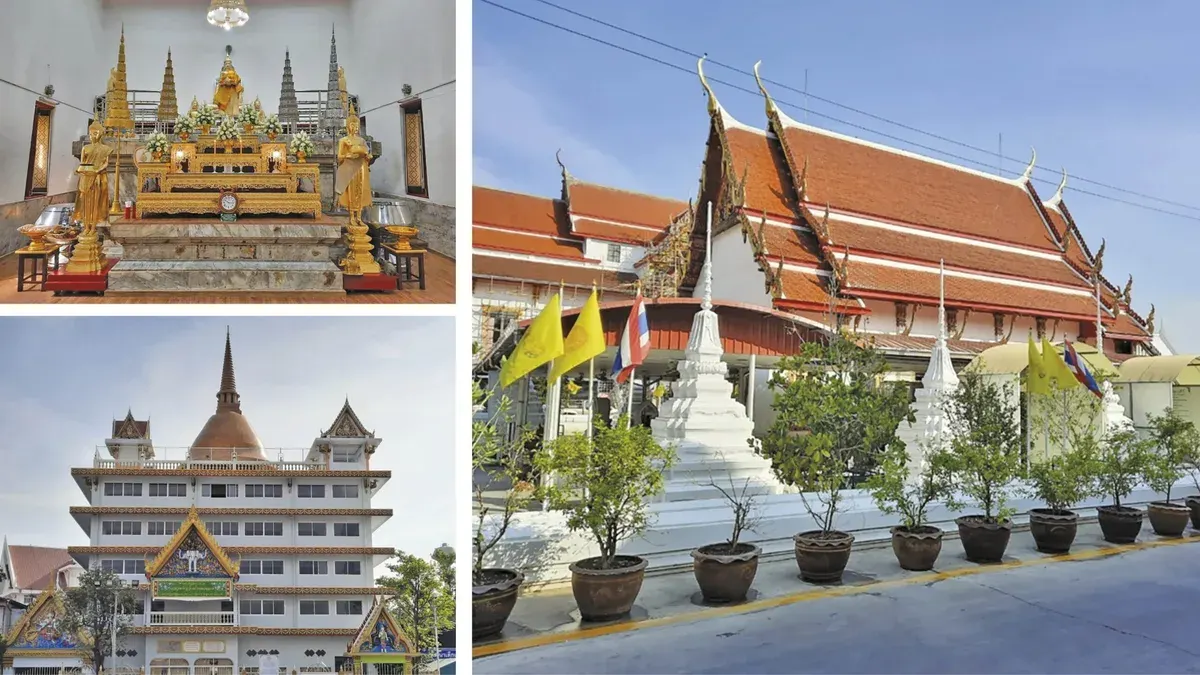
Luang Pho Wat Ban Laem is regarded as a sacred Buddha image venerated by Buddhists across the nation, especially by the Mae Klong community, and has long received homage from Thai monarchs and royalty. King Chulalongkorn (Rama V) presented the temple with a royal insignia and offered robes as Buddhist tribute, while Prince Phanurangsi Sawangwong donated a blue glass alms bowl. The statue’s miraculous reputation dates back to ancient times; the temple grew from a dense forest into a thriving monastery as devotees flocked to seek cures for illness, success in business, loving kindness, and protection from accidents. During the cholera outbreak of approximately 1873, the then‑abbot reportedly had a vision of Luang Pho Wat Ban Laem, prepared holy water from a prescribed chant, and distributed it to villagers to drink and bathe in, after which the epidemic subsided. Royal experiences further cemented its fame: Queen Sri Patcharindra prayed for recovery from illness and was healed, and later, as Crown Prince, King Vajiravudh (Rama VI) recorded in a royal letter that he had donated 800 baht for temple restoration after his own recovery. Because of its enduring sanctity, countless versions of amulets and commemorative coins have been produced over the years, the most famous being the original cast coin issued in 1916.