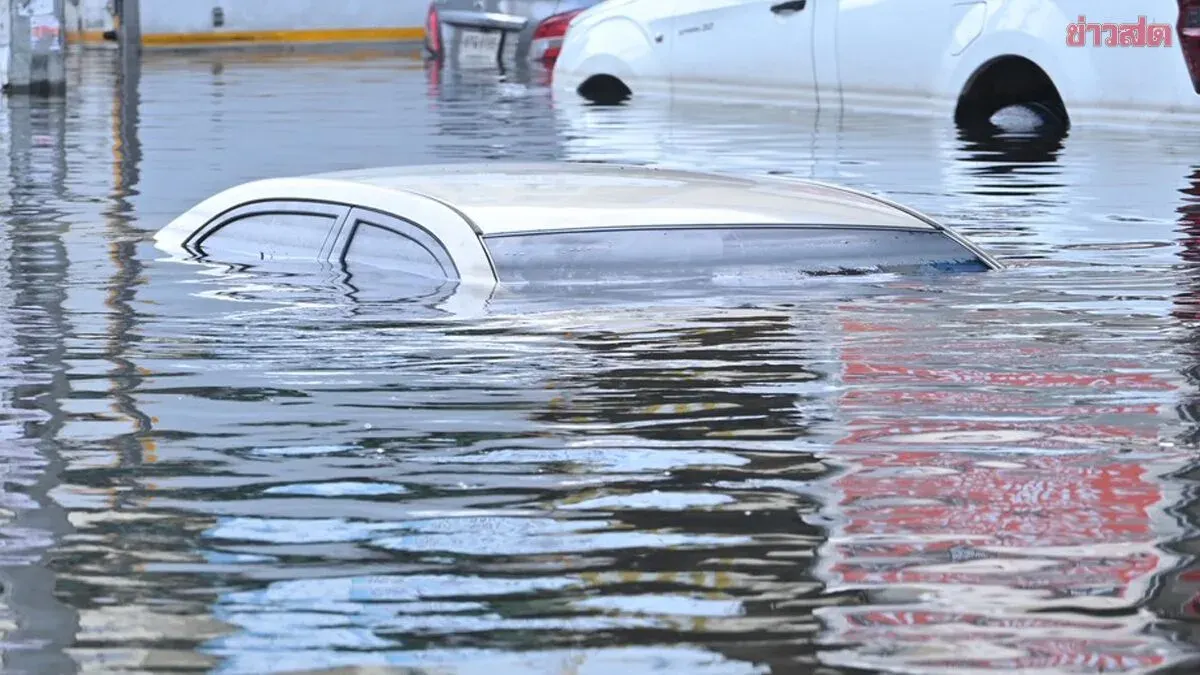
Irrigation Dept Adds Pumps, Cuts Bangkok Flood Levels by 10cm
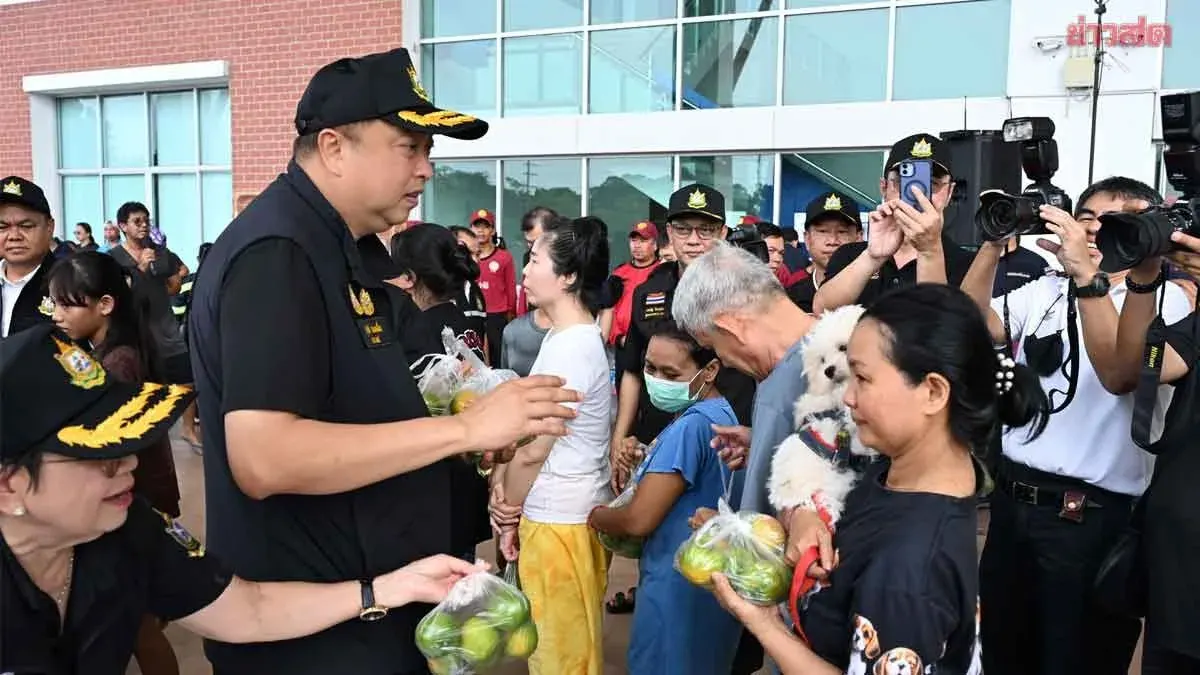
Agriculture and Cooperatives Minister Suriya Juangroongruangkit ordered the Irrigation Department to deploy six additional water pumps in Bangkok’s Sai Mai district, helping reduce floodwaters by about 10 centimeters. The department is also implementing six proactive water‑management measures in coordination with the Bangkok Drainage Office. Relief efforts include food distribution, field kitchens, and delivery of essential supplies such as eggs, canned fish and milk to vulnerable residents.
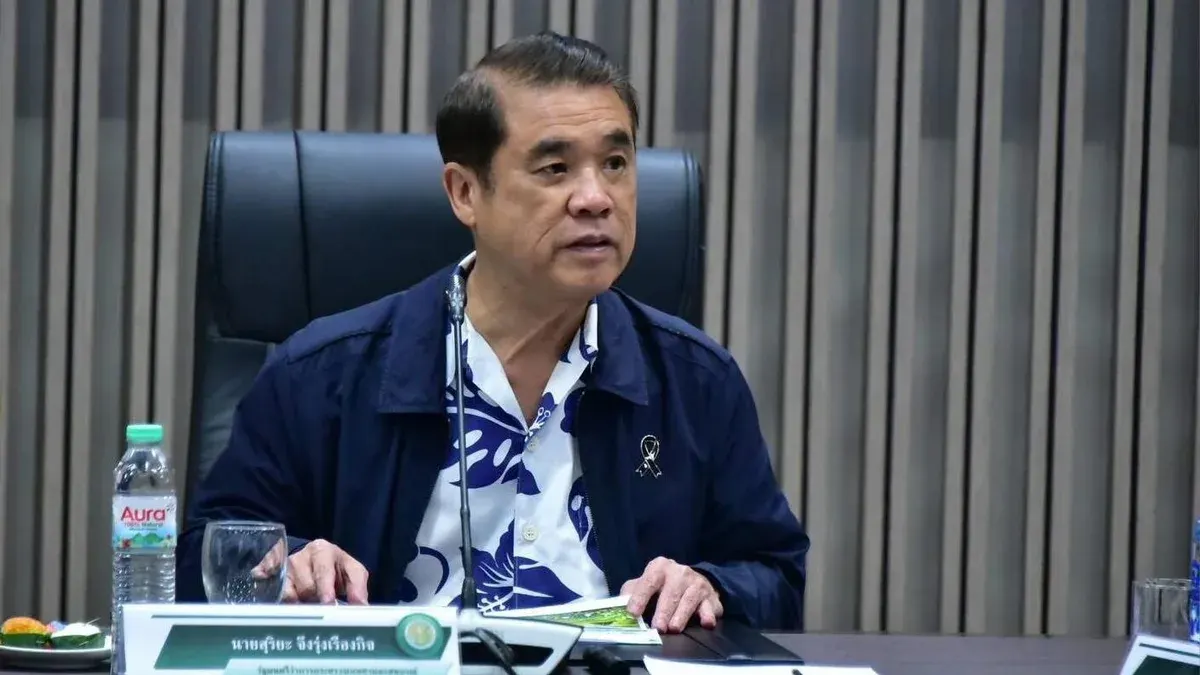
Minister Suriya Juangroongruangkit said the Irrigation Department had installed three pumps to drain floodwaters in the Ong Ang community of Sai Mai district, lowering the water level by about 10 centimeters. On October 2, 2026, three more pumps were placed at Buildings 20 and 14 to accelerate drainage. He ordered the department to cooperate closely with the Bangkok Drainage Office using six measures: (1) manage upstream water and the Chao Phraya Dam, control discharge according to rainfall and warn at‑risk residents; (2) control the Pasak River, regulate discharge from the Pasak Cholasit and Rama VI dams to reduce inflow to the Chao Phraya and increase capacity of secondary canals; (3) speed up drainage of the eastern network via the Rangsi Phat, Canal 13, and Chao Phraya Chaiyanuchit canals to the Gulf, cutting off side flow through main pumping stations; (4) use the Pho Lad canal to hasten Chao Phraya drainage, manage its gates with the tide to discharge to the sea faster; (5) operate coastal canal pumping stations along the Gulf at full capacity to reduce water accumulation in lower areas; (6) coordinate with Bangkok to manage irrigation border structures and directly pump out water via major stations such as Praem Sous Rangsit, Hok Wa Sai Tai, Nong Chok, and Prawet Burirom. Besides drainage, the minister emphasized supporting flood‑affected people with food, setting up field kitchens, and distributing drinking water, relief packs, and essential items. Recently, the Livestock Department delivered relief to vulnerable and bedridden patients: 1,200 fresh eggs, 300 cans of ready‑to‑eat tuna, 300 cans of sardines, and 300 boxes of UHT milk.