Visit Wat Satuay: Ayutthaya's Giant Reclining Buddha
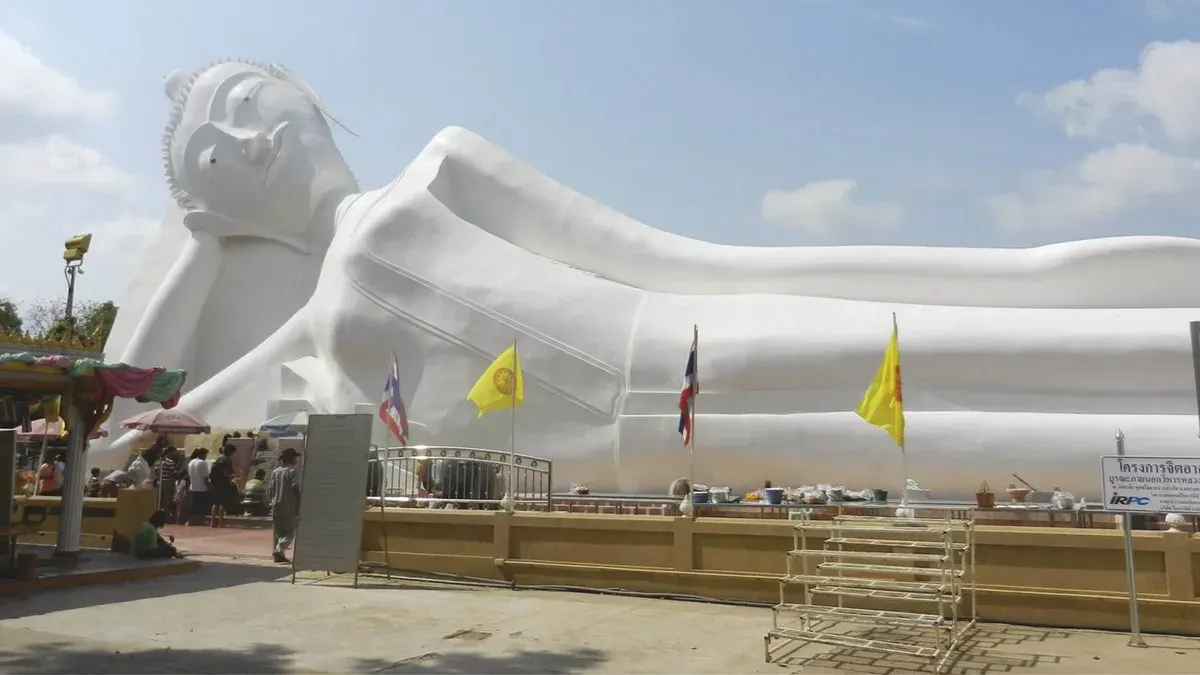
Wat Satuay in Ayutthaya province houses one of Thailand's largest reclining Buddha images, Phra Phuttha Saiyas (Luang Por To), built in 1870 by the revered monk Somdet Phra Putthachan. The riverside temple has a history linked to King Rama V, who visited twice, and has undergone six major restorations, the latest after severe flooding in 2010. The complex also preserves late-Ayutthaya-period architecture, including a boat-shaped vihara where the builder once stayed.
Wat Satuay sits on the banks of the Pa Sak River in Ban Thangam, Tha Luang subdistrict, Tha Ruea district, Phra Nakhon Si Ayutthaya province. It belongs to the Maha Nikaya monastic order. Originally an ancient temple built in 1857 (BE 2400) during the reign of King Rama V, it was located a short distance to the north. The name 'Wat Satuay' derives from a large Satuay tree that served as a landmark. Later, when Somdet Phra Putthachan (To Phromrangsi) came to construct the 'Phra Phuttha Saiyas' (Reclining Buddha), the temple moved to the site of the image and was renamed 'Wat Thangam' after the subdistrict.
King Rama V (King Chulalongkorn) traveled to this area twice to pay respects to the Buddha's footprint, as recorded in the Royal Chronicles of the Fifth Reign. In the second journey's notes, dated 31 July 1906 (BE 2449), it is written: '... lunched at Wat Thangam, cooking and dining in the area beneath the large reclining Buddha, and the place called Tha Luang came into being because King Chulalongkorn came to worship the footprint twice, visiting Thangam both times...' Consequently, the subdistrict was renamed 'Tha Luang' and the temple became 'Wat Tha Luang,' though it later reverted to the original name 'Wat Satuay,' which remains in use today.
Wat Satuay received its royal Wisungkham Sima (boundary markers) on 8 September 1955 (BE 2498).
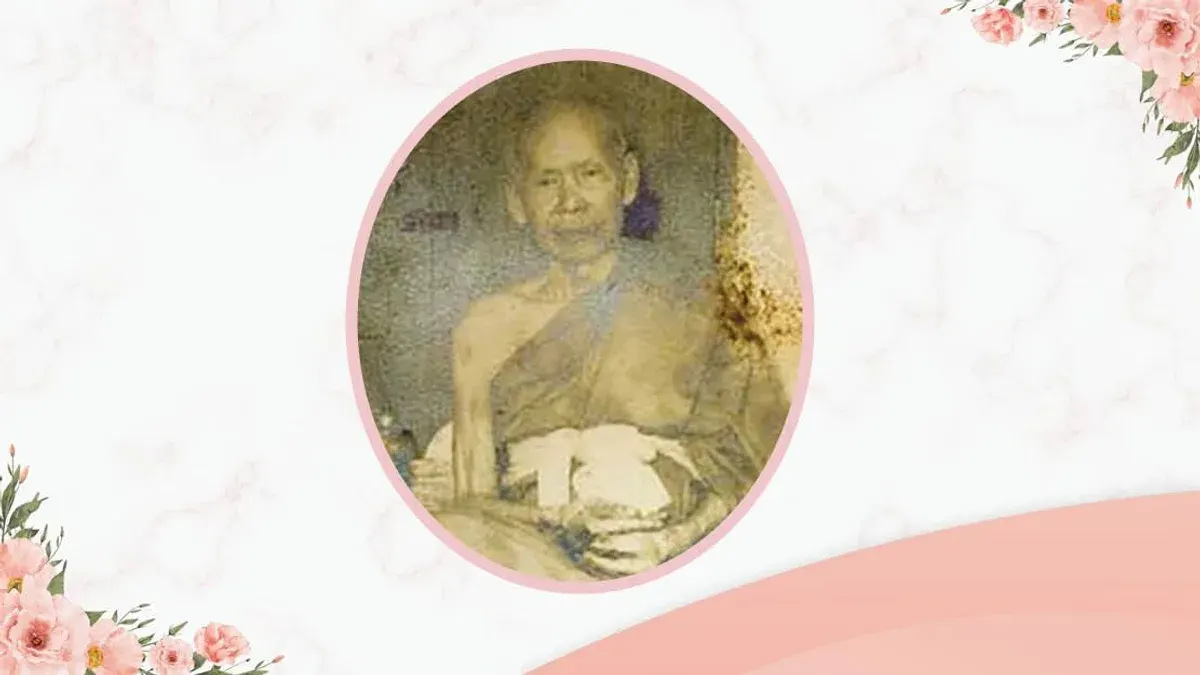
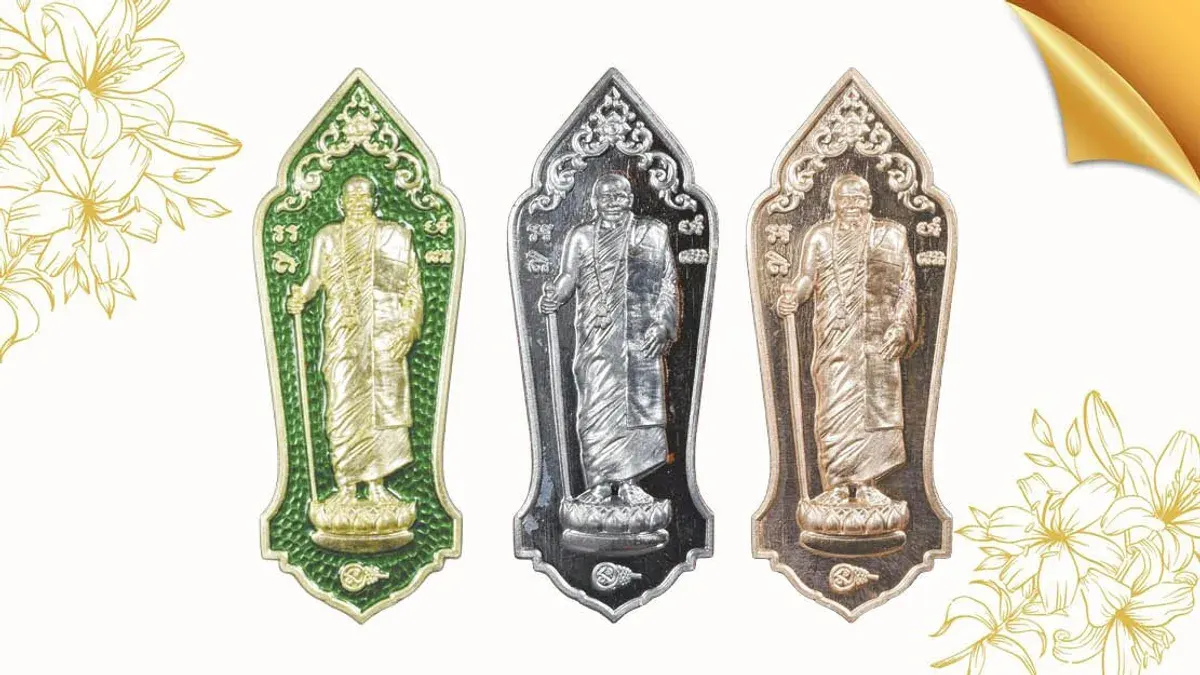
Phra Phuttha Saiyas, also known as Luang Por To, was created by Somdet Phra Putthachan (To Phromrangsi), the former abbot of Wat Rakhang Khositaram and a highly venerated monk. In 1870 (BE 2413), three years before his passing, Somdet Phra Putthachan built this brick-and-stucco Buddha in the reclining posture (Pang Saiyas) on the Pa Sak River bank. The image measures 25 wa (approx. 50 meters) long, 4 wa (8 meters) wide, and 8 wa (16 meters) high, making it the largest reclining Buddha of that era. It was built to commemorate the fact that his mother gave birth to him at this spot, on a boat moored on the Pa Sak River behind the present temple grounds.
The image has been restored six times: 1. 1922 (BE 2465) by Luang Por Upajjhaya Bat Chandachoti, former abbot of Wat Satuay, with local villagers. 2. 1956 (BE 2499) by Field Marshal Plaek Phibunsongkhram, then Prime Minister, who ordered a three-month restoration after seeing the image's deterioration. The size was reduced significantly, and the original damaged robe fragments were preserved in the vihara in front of Luang Por To. 3. 1988 (BE 2531) by Phra Khru Phutthasaiyaphiban (Mek), former abbot, with villagers, taking about three months. 4. 1997 (BE 2540) by Phra Athikan Thongkham Kamphiropanyo, former abbot, with villagers, including repainting the image. 5. 2003 (BE 2546) by Phra Mahachamras Kuttasilo, former abbot, with villagers, gilding the image and replacing the clear crystal eyes with solid blue sapphire. 6. 2010 (BE 2553) by Phra Khru Pariyattithikun (Muen Atiphatto), abbot of Wat Satuay and district ecclesiastical chief, together with Narong Onsa-ard, then Deputy Governor of Phra Nakhon Si Ayutthaya, and the Director of the 3rd Regional Office of Fine Arts. This major repair addressed large cracks caused by the flood crisis, stripping old paint and plaster and reapplying traditional lime plaster.
The temple complex also includes numerous important historical structures and objects: an ordination hall (ubosot) housing a Mara-vijaya Buddha image built in 1954 (BE 2497); a pavilion or 'Sala Din' (also called Viharn Somdet), a late-Ayutthaya-period boat-shaped vihara where Somdet Phra Putthachan resided while overseeing the construction of the giant Buddha; and a Naga-prototyped prang (stupa).