Lanta & News
No. 01 · ENDLESS
National

Bangkok Overhauls Civil Service Exam, Cancels University Contract

Bangkok terminated its contract with Srinakharinwirot University to administer its civil service exam and is overhauling the recruitment process following corruption concerns in local government hiring.

Bangkok Overhauls Civil Service Exam, Cancels University Contract
19 Jul Khaosod

Bangkok has upgraded transparency in its civil service recruitment exam process to prevent corruption issues like those found in local government recruitment, Deputy Governor Twida Kamalawech announced on July 19. The Civil Service Commission and Personnel Office have been instructed to thoroughly review all exam procedures, including test design, administration methods, score processing, and security protocols, along with Bangkok's terms of reference and requirements.

The city has terminated its contract with Srinakharinwirot University, originally selected to administer the exam. The university agreed to the cancellation without objection. The next exam is now expected in mid-September 2026, with clarity on the new procurement process expected by August 15 and candidate lists announced by late August. Approximately 7,000 applicants have already registered but may request refunds if unable to sit for the rescheduled exam.

Meanwhile, Bangkok has appointed committees to investigate 17 additional equipment procurement projects, with preliminary findings expected by August 15. A 30-day review period has been set for the fact-finding committees. The city is also intensifying its review of seven previously identified problematic projects and will analyze data from the 17 new investigations alongside them. A committee meeting scheduled for July 23 will track progress on reviewing the central price-setting process for all seven projects. Bangkok is committed to expediting all steps to reach clear conclusions and restore public confidence.

No. 01 of Read at source → Next
National

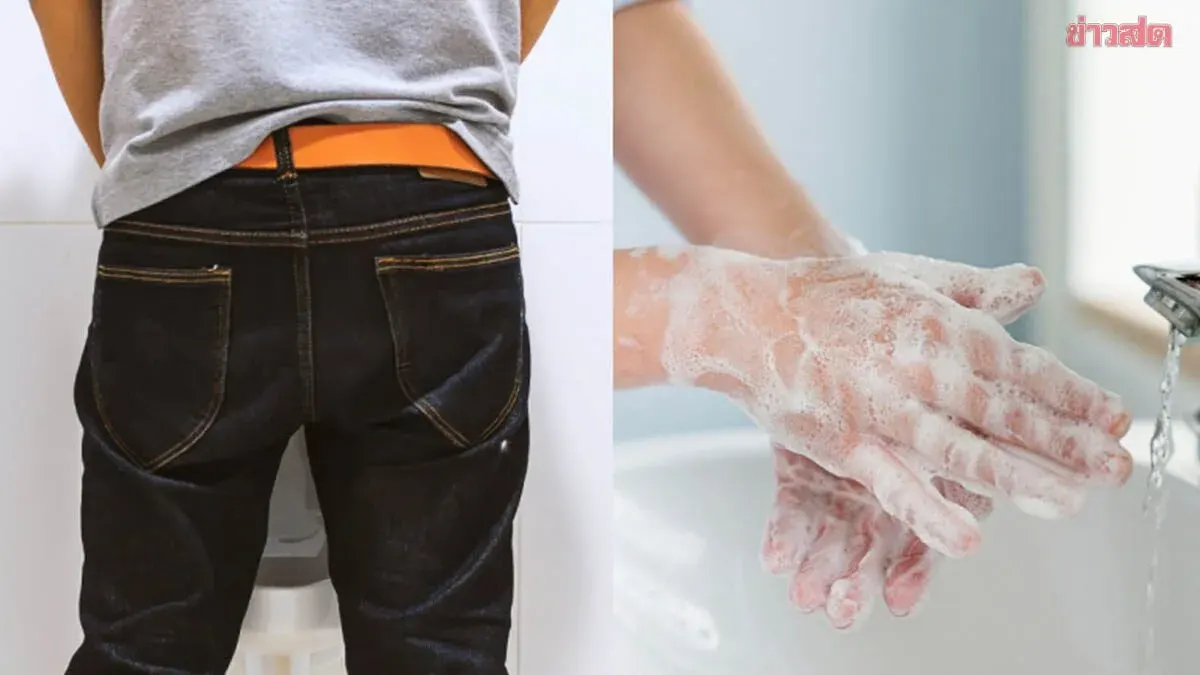
Doctor Settles Bathroom Hygiene Debate: Always Wash Your Hands

A urologist debunks common bathroom hygiene myths, explaining that invisible microbes from the genital area, underwear, and toilet aerosols can contaminate hands and spread disease, making post-bathroom hand washing essential.

Doctor Settles Bathroom Hygiene Debate: Always Wash Your Hands
19 Jul Khaosod

An online debate has intensified over the question of whether hand washing is necessary after urination, with many internet users claiming that genitals are cleaned daily and are therefore cleaner than hands, or arguing that since they don't touch the toilet seat or door handle directly, there's no need to wash their hands. Dr. Chen Wei-hsin, a urologist specializing in the urinary system, counters that these arguments overlook the transmission of invisible microorganisms and has identified three key health risks that many people commonly neglect, reiterating that hands should always be washed after using the bathroom.

Dr. Chen Wei-hsin shared educational information through his clinic's social media page, explaining misconceptions about bathroom hygiene and highlighting three critical risks:

1. The genital area is a reservoir for microbes. The doctor explains that the perineal area and male scrotum have numerous sweat glands and are poorly ventilated, making them prone to accumulation of sweat and oils. The warm, humid environment creates an ideal breeding ground for bacteria and fungi. Even daily bathing cannot eliminate all secretions and microorganisms, so when handling genitals to urinate or wiping the urethral opening, hands inevitably contact numerous skin cells and bacteria without realizing it.

2. Microbes lingering on underwear. "Washing underwear does not always mean it's completely clean," Dr. Chen notes, citing data from American microbiologist Charles Gerba, which indicates that used underwear may retain an average of 0.1 grams of fecal matter. The doctor emphasizes that the point is not to create fear but to warn that underwear regularly contacts intestinal bacteria, skin microbes, and secretions. Although they may appear clean on the outside, this doesn't mean they're completely free of pathogens. If family members have diarrhea, gastrointestinal infections, or reproductive tract infections, underwear and towels should be washed and completely dried, and hands should always be washed after handling soiled laundry. He also recommends changing underwear every 3-6 months or immediately if the fabric becomes yellowed, discolored, or stiff.

3. Airborne microbes in the bathroom. Beyond bodily microbes, the bathroom environment is another critical factor. The doctor explains that each flush generates a phenomenon called toilet plume, which can disperse bacteria and small particles contaminated with urine or feces into the air before settling on the flush button, door knobs, and users' hands.

Four recommended ways to reduce bathroom health risks:

1. Wash hands both before and after using the bathroom. Since hands contact phones, door knobs, and various objects throughout the day, washing hands before using the bathroom reduces the chance of introducing microbes to the urethral tissue, while washing after removes any microbes acquired during elimination.

2. Avoid aerosol exposure when flushing. Always close the toilet lid before flushing to reduce the spread of pathogens such as norovirus and enterovirus. If using a squat toilet, step back at least 1 meter after flushing to minimize exposure to aerosols.

3. Minimize direct surface contact. Although the risk of infection from toilet seats is low, [content cuts off]

No. 02 of Read at source → Next
National

Blood in Urine? Doctors Reveal 5 Common Causes

Blood in urine can indicate urinary tract infections, kidney stones, enlarged prostate, tumors, or certain foods, but a urologist warns that even painless hematuria requires prompt evaluation to rule out serious conditions.

Blood in Urine? Doctors Reveal 5 Common Causes
19 Jul Khaosod

A man in his twenties recently visited a urologist after discovering blood in his urine, alarmed by the possibility of cancer. Dr. Susinha, a urologist specialist, explained that the patient presented with lower abdominal discomfort and painful urination, ultimately diagnosed with acute cystitis combined with hematuria. The doctor outlined two types of hematuria: gross hematuria visible to the naked eye (appearing red, pink, or tea-colored) and microscopic hematuria detected only under a microscope, often found incidentally during routine checkups.

Dr. Susinha identified five common causes of blood in urine: urinary tract infections, which present with burning sensation, pain during urination, and frequent urination; kidney or urinary tract stones that cause severe back or abdominal pain; enlarged prostate gland in middle-aged and elderly men that may bleed during urination; tumors or cancers in the urinary system such as bladder or kidney cancer, notably characterized by painless hematuria; and certain foods or medications like dragon fruit or beetroot that create false hematuria without actual bleeding.

The doctor warned that clear urine does not mean recovery, as bleeding from stones or tumors can occur intermittently. Many people mistakenly believe that normal-colored urine indicates the problem has resolved, but delayed diagnosis could miss early treatment opportunities. Dr. Susinha strongly recommends that anyone with visible blood in urine or red blood cells detected in routine urinalysis—even without pain—should promptly consult a urologist for further evaluation including urinalysis, ultrasound, and possibly cystoscopy to identify the underlying cause and receive appropriate treatment.

No. 03 of Read at source → Next
National

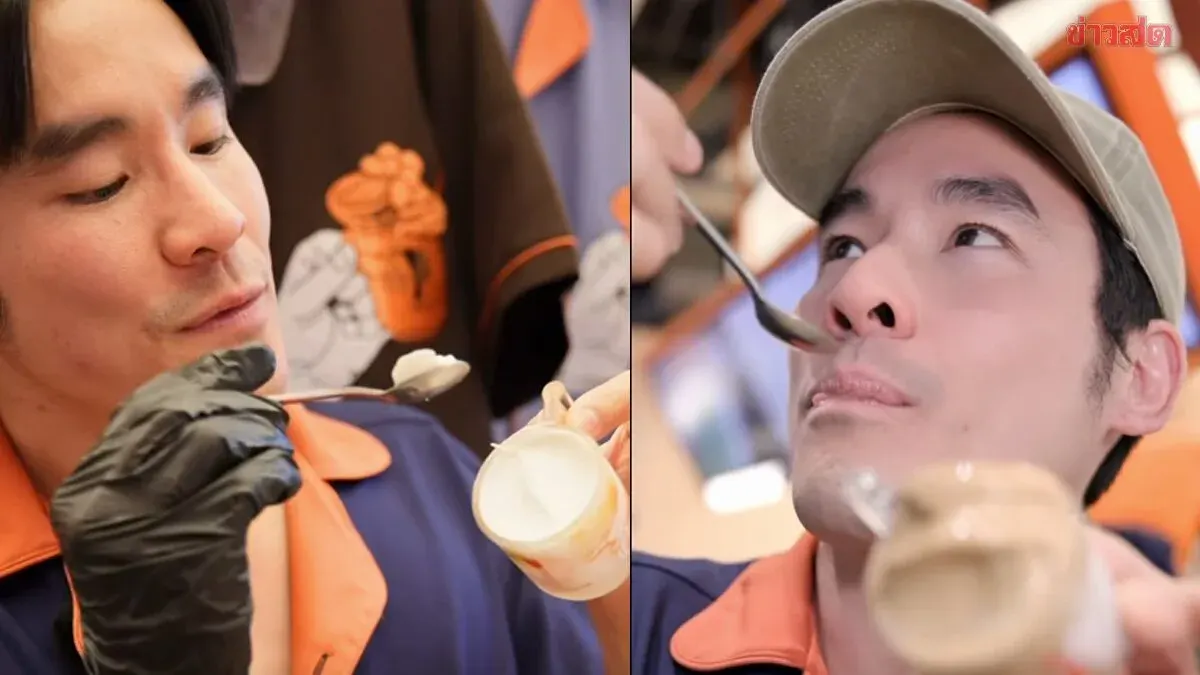
Premium Gelato Founder Schedules Press Conference Over Controversy

Kritsan Sripirumsathad, founder of premium gelato brand PARAMETER, will hold an urgent press conference today to address mounting public controversy over pricing, content, and consumer warnings surrounding his product.

Premium Gelato Founder Schedules Press Conference Over Controversy
19 Jul Khaosod

Kritsan Sripirumsathad, a prominent TV personality and owner of the premium PARAMETER gelato brand, faces escalating controversy that extends beyond pricing criticism to include disputes over instructional eating content and warnings to ice cream consumers. The founder has issued a press invitation to hold an urgent media briefing addressing concerns about the PARAMETER: Classic Refined Gelato brand. In his statement, Kritsan said: "In response to criticism and online discussion surrounding PARAMETER Gelato, which has attracted significant public and media attention, and to clarify the facts and address all points of public interest, I, Kritsan Sripirumsathad, founder of PARAMETER Gelato, will hold an urgent press conference for media and the public, with the opportunity for media to question all matters." The press conference begins at 6 p.m. today (July 19, 2025) at the PARAMETER Gelato store, ground floor, Siam Paragon.

No. 04 of Read at source → Next
National

PM Anutin's China Trip Secures 70 Billion Baht Investment

PM Anutin's investment roadshow in China secured over 70 billion baht in commitments from major Chinese firms in electric vehicles and technology, with companies like Changan Automobile and InnoLight Technology establishing or expanding ope

PM Anutin's China Trip Secures 70 Billion Baht Investment
19 Jul Khaosod

The government highlighted a major achievement after Prime Minister Anutin Charnvirakul led an investment roadshow in Chengdu, China, holding direct negotiations with four major Chinese corporations and securing over 70 billion baht in planned investment. On July 19, 2025, Deputy Prime Minister and Finance Minister Ekniti Nitithanprapas announced the success of talks with top-tier Chinese firms in electric vehicles and advanced technology, expecting to attract 70 billion baht in total investment—comprising 50 billion baht in expanded existing operations and over 20 billion baht in new capital injection. Geopolitical tensions are driving Chinese manufacturers to relocate production from China to ASEAN, with Thailand as a priority target.

The Board of Investment also held business-matching events for Thai entrepreneurs visiting Chengdu to open BOI's new office there, facilitating discussions between Thai and Chinese business partners and spurring additional investment.

"This phenomenon represents a new wave of investment comparable to the 1980s when Japanese capital established manufacturing bases in the Eastern Seaboard, creating the economic boom era. This time, however, it marks a transition to industries of the future—AI technology, electric vehicles, and intelligent robotics—aligned with the International Monetary Fund's assessment that Thailand is emerging as a global technology star," said Deputy PM Ekniti.

China's top-tier EV manufacturer Changan Automobile selected Thailand as its first right-hand-drive manufacturing base outside China, establishing a factory in Rayong province to serve as an export hub to countries with which Thailand has free trade agreements. The company plans to expand production capacity to 200,000 units annually and has already integrated 40 Thai SMEs into its supply chain.

InnoLight Technology, the world's leading optical transmission equipment manufacturer, is expanding its production base in Thailand, creating over 20,000 jobs and collaborating with leading Thai universities to conduct research and development with approximately 1,500 Thai engineers.

Eoptolink Technology, the world's second-largest firm in the same sector, has opened its first factory in Rayong and is expanding a second facility. Additionally, Xiaomi Corporation, the tech giant commanding Thailand's third-largest smartphone market share, is being attracted to use Thailand as a manufacturing base for smart electrical appliances (IoT), leveraging Thailand's strong smart electronics supply chain capabilities.

No. 05 of Read at source → Next
National

Thailand Warns Athletes on Banned Substances Before Asian Games

Thailand's Sports Authority is warning athletes about banned substances before the Asian Games, emphasizing prevention through education rather than punishment for violations.

Thailand Warns Athletes on Banned Substances Before Asian Games
19 Jul Khaosod

Thailand's Sports Authority (SAT) is warning Thai athletes to exercise caution regarding banned substances before competing in the 20th Asian Games. The organization is conducting ongoing educational training sessions for sports federations and athletes to raise awareness and promote preventive measures from the start rather than addressing violations afterward.

Dr. Kongsakd Yodmanee, director-general of SAT, stated that this year the authority has been providing continuous education on banned substances to all sports federations and athletes ahead of various sporting events. He emphasized that prevention is far better than correction, as this is critically important on the international sports stage. The SAT director expressed confidence that Thai athletes will face no banned substance issues during the Asian Games, given that all parties have implemented stringent preventive measures. He acknowledged that while unintentional technical violations may occur—such as through food or medication consumption—no athlete would intentionally violate the rules.

The SAT has consistently stressed the importance of vigilance regarding banned substances, implementing educational outreach regularly in line with standards set by the World Anti-Doping Agency (WADA). WADA officials will conduct random doping tests throughout the competition. Dr. Kongsakd concluded by confirming that Thais will be able to watch the 20th Asian Games for free, with live broadcasts on T SPORTS 7 as the primary channel and additional broadcasts through partner networks. The SAT invites Thai sports fans to follow along and cheer on Thai athletes throughout the competition.

No. 06 of Read at source → Next
Police

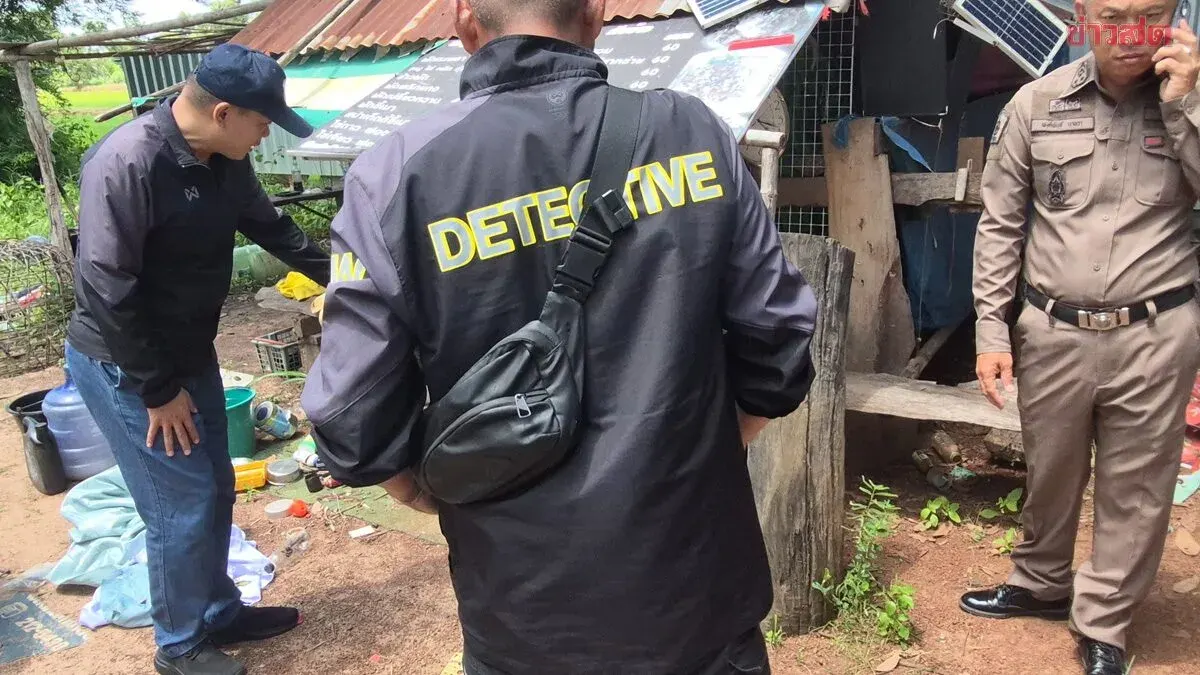
Arrest Warrant Issued in Brutal Udon Thani Murder Case

An arrest warrant has been issued for a man accused of brutally murdering a 35-year-old in Udon Thani province, with police citing skull fragments and other evidence found at his residence as key proof of the crime.

Arrest Warrant Issued in Brutal Udon Thani Murder Case
19 Jul Khaosod

On July 19, 2025, police reported progress in a shocking murder case at a hut in Ban Suk Sabai village, Baan Dung district, Udon Thani province. The body of Somsakdi, nicknamed "Tong," 35, was discovered with signs of extreme violence: seven stab wounds, decapitation, and the removal of genitalia. Police Lt. Ekaphop Anektrupsaipal, deputy superintendent and lead investigator at Baan Dung Station, stated that investigators have gathered sufficient evidence for the court to issue an arrest warrant on two charges: intentional murder and corpse concealment or destruction. The critical evidence includes human skull fragments found hidden in the suspect's residence, which will be sent for detailed DNA analysis to the Khon Kaen Forensic Center for comparison with remains previously discovered at the hut. At Mueang Udon Thani Station, where the suspect is being held, the atmosphere remains calm. During the morning, relatives, his son, and village elders visited to offer encouragement and support. According to the detention officer, the suspect showed normal behavior throughout the night with no signs of distress or psychosis. He spent most of the time chanting prayers in his cell before resting. Background checks revealed no psychiatric medical records. Villagers described him as someone who regularly visits temples for merit-making. During earlier detention, he repeatedly chanted prayers and protested his innocence. Despite clear evidence, the suspect continues to deny all charges and remains silent about the circumstances and motives. Today at approximately 11:00 a.m., investigators will conduct formal questioning with a lawyer present, as this case carries severe penalties. Police have not ruled out premeditated murder and are urgently collecting forensic evidence to determine whether accomplices were involved in this shocking crime, with intent to prosecute all responsible parties.

No. 07 of Read at source → Next
National

Thailand Expands Western China Tourism Through New Airlines Deal

Prime Minister Anutin Charnvirakul has advanced bilateral trade, investment, and tourism during his visit to China by presiding over the Thailand-China (Sichuan) Investment and Economic Forum 2026 on ...

19 Jul Thailand.go.th Issues

Prime Minister Anutin Charnvirakul has advanced bilateral trade, investment, and tourism during his visit to China by presiding over the Thailand-China (Sichuan) Investment and Economic Forum 2026 on ...

No. 08 of Read at source → Next
National

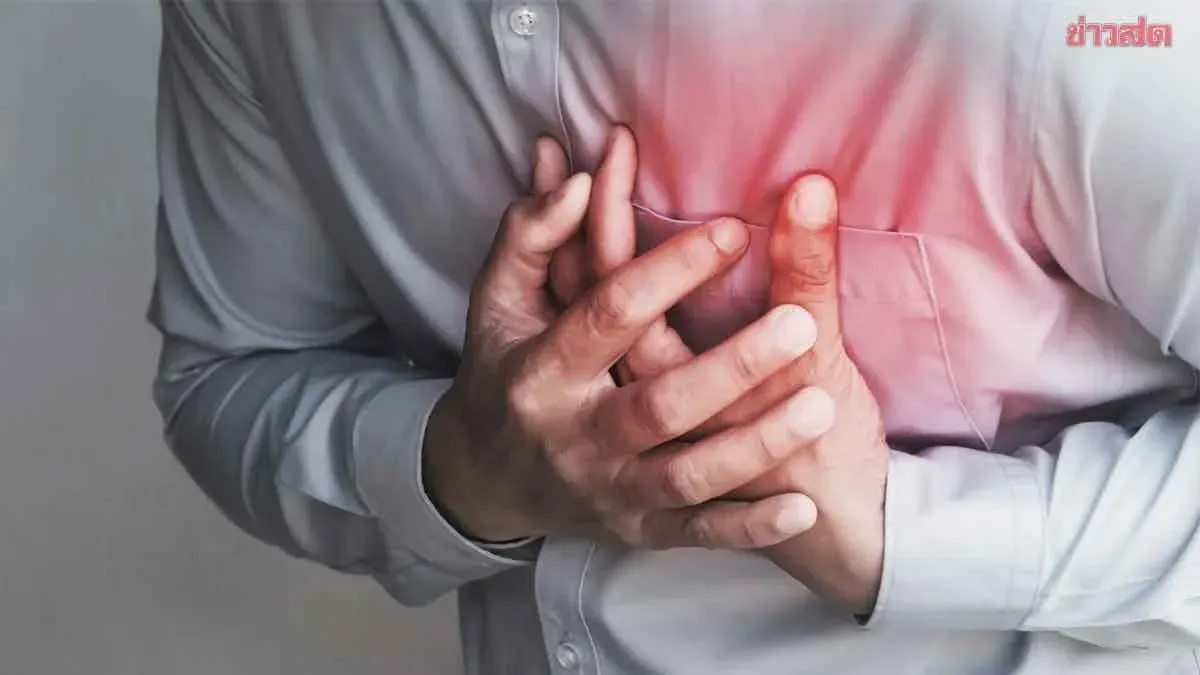
Recognize Warning Signs of Acute Coronary Syndrome

Chest tightness and radiating arm pain are critical warning signs of acute coronary syndrome, Thailand's leading cause of death; the Thoracic Disease Institute urges immediate hospital treatment since faster diagnosis reduces heart muscle d

Recognize Warning Signs of Acute Coronary Syndrome
19 Jul Khaosod

The Thoracic Disease Institute has released educational information about acute coronary syndrome (ACS), one of Thailand's leading causes of death. The institute emphasized that chest tightness is a critical warning sign of acute coronary artery disease. ACS is among the top causes of death in Thailand and globally, and the faster it is diagnosed and treated, the less heart muscle damage occurs. However, many patients reach doctors too late or are misdiagnosed with stress, anxiety, or ordinary muscle pain when their hearts are actually experiencing blood shortage. To help the public and caregivers understand warning signs, diagnostic methods, treatment, and ongoing care so patients can seek hospital treatment promptly:

1. What is acute coronary artery narrowing? The heart is nourished by three main coronary arteries. When fat accumulates in artery walls and thickens gradually, it is called "coronary artery narrowing." If the fat deposit suddenly ruptures, the body forms a blood clot that blocks blood flow to heart muscle, causing "acute heart ischemia" or what is commonly called "heart attack," which can be life-threatening within hours if untreated.

2. Symptoms of acute coronary artery disease. Common symptoms that should immediately suggest acute heart ischemia include: tightness, heaviness, pressure, or squeezing in the center of the chest—usually not sharp stabbing pain but rather a feeling of "tightness" or "something heavy pressing down." Pain may radiate to the arms, shoulders, neck, jaw, or back, especially the left arm. Sudden sweating without cause, accompanied by paleness, cold skin, unusual fatigue, heart palpitations, shortness of breath especially with exertion, nausea, vomiting, and dizziness. Some patients experience only these symptoms without clear chest pain. Symptoms persist for more than 15-20 minutes and do not improve with rest. "Unclear" symptoms to watch for, especially in elderly patients and diabetics, may lack obvious chest pain but include unusual fatigue, shortness of breath, mild chest tightness, and extreme weakness without apparent cause. Anyone with these symptoms and risk factors should see a doctor immediately. Young age does not mean no risk—high blood cholesterol, smoking, stress, heredity, and obesity can cause this condition even in people in their early 30s. If acute coronary syndrome is suspected, a 12-lead EKG should be performed for diagnosis.

3. Diagnostic approaches for acute coronary artery disease. When a patient presents with symptoms consistent with heart ischemia, the medically accepted standard of care includes: electrocardiogram (EKG/ECG) within the first 10 minutes of arrival at the emergency room—a simple, rapid test providing critical diagnostic information; blood tests measuring cardiac enzymes (troponin) to determine if heart muscle is damaged, with possible repeat testing at appropriate intervals since levels may not rise in the first hours; detailed medical history including symptom characteristics, duration, triggers, and risk factors such as high cholesterol, high blood pressure, diabetes, smoking, and family history; basic physical examination including heart and lung auscultation and vital signs; and echocardiogram (ultrasound of the heart), which can be performed at the bedside as a painless ultrasound examination.

No. 09 of Read at source → Next
Police

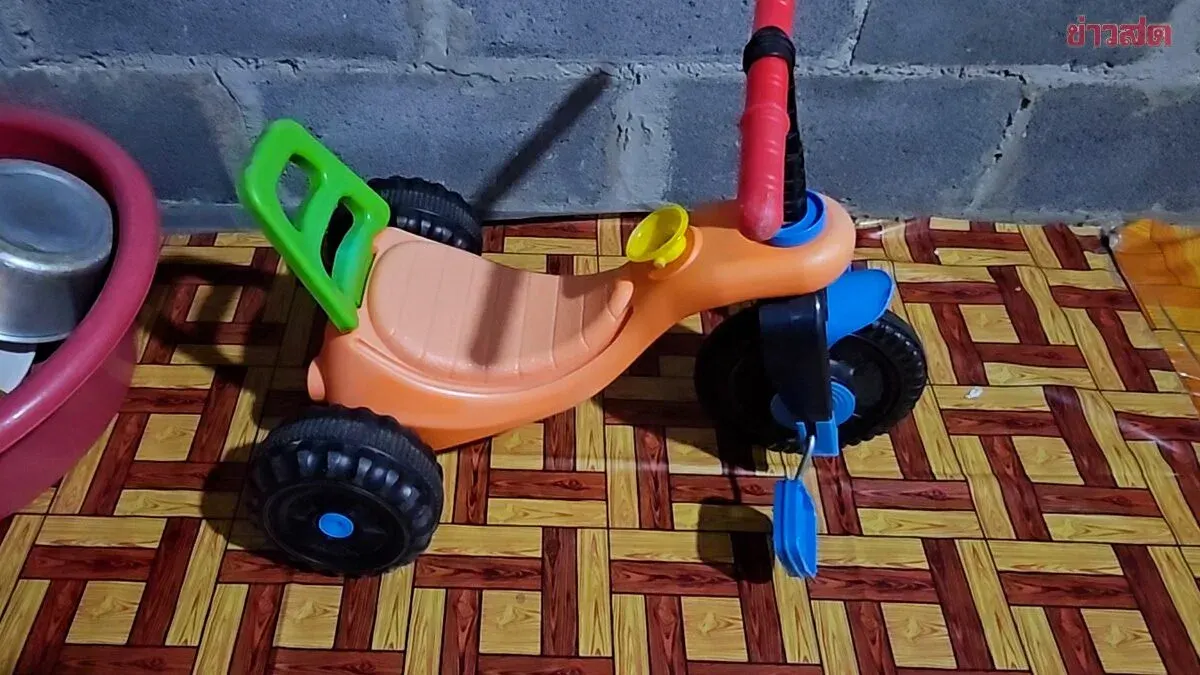
Mother, 2-Year-Old Child Found Dead in Bedroom

A 27-year-old woman and her 2-year-old daughter were found dead in their home in Sisaket province on July 18, with evidence suggesting the mother asphyxiated her child before taking her own life following marital conflict.

Mother, 2-Year-Old Child Found Dead in Bedroom
19 Jul Khaosod

Police in Uthumphon Phisai district, Sisaket province, responded to a report of deaths on the evening of July 18 at 11:13 p.m. Officers found a 27-year-old woman, identified as Ms. A, and her 2-year-old daughter, Ms. B, dead in a single-story concrete house. Both bodies showed signs of prolonged death, with the child's face discolored.

A handwritten note was found expressing despair, stating "I'm sorry, I can't handle this anymore, there is no happiness." The note was accompanied by 3,527 baht left for the mother's care. An autopsy of the child revealed scratch marks around her neck, suggesting the mother may have asphyxiated her daughter before taking her own life.

The aunt revealed that the mother had been withdrawn and isolated with her child, rarely socializing with relatives. She mentioned the mother had spoken of marital difficulties, with the husband reportedly spending time with friends. A phone call overheard in the afternoon of July 18 contained the statement "If you don't care, let's divorce," which may have triggered the tragic act. The mother had prepared a curry dish that remained uneaten, suggesting the decision was made suddenly after midday.

No. 10 of Read at source → Next
National

Thai Brand Sabina Merges Eco Fashion With Activewear

Thai fashion brand Sabina launches an eco-conscious activewear collection using recycled materials like repurposed fishing nets, reducing water use and waste throughout production.

Thai Brand Sabina Merges Eco Fashion With Activewear
19 Jul Khaosod

As consumers increasingly prioritize environmental concerns, eco-friendly products have undeniably become a major trend in the global fashion industry, including Thailand, where fashion brands are now seriously adopting sustainability concepts.

Sabina is one noteworthy Thai brand presenting an Eco Fashion product line under the Earth Day concept, which perfectly demonstrates the blend of activewear and environmental responsibility.

Key Highlights of Sabina's Eco-Friendly Products

The collection was designed under the Sustainable Fashion concept, which emphasizes reducing environmental impact at every production stage:

- Uses recycled materials, such as fibers from repurposed fishing nets - Production processes reduce water consumption and factory waste - Zero-waste approach to reduce textile industry pollution - Easy-to-wear design suitable for activewear and urban lifestyles

Beyond sustainability, the designs maintain contemporary style and ease of wear, perfect for younger lifestyles that demand both comfort and good appearance simultaneously. This elevates activewear from mere workout clothing to part of an eco-conscious lifestyle.

When Eco Fashion Becomes a Lifestyle

Eco-fashion is no longer merely a temporary trend but is becoming a long-term consumer behavior, particularly among urban groups who value health and the environment. Choosing eco-friendly products has become a way of expressing social responsibility.

Modern consumers no longer focus solely on product aesthetics; they also care about origin and production processes—something Sabina clearly addresses through its Earth Day collection. Sabina's eco-friendly offerings represent a genuine example of blending fashion and sustainability, whether activewear or eco-fashion, reflecting a new mindset of more environmentally conscious dressing.

No. 11 of Read at source → Next
Loading more…
Endless reading Scroll to read. When you reach the bottom, keep scrolling. A bar fills, and the next story slides in when it's full. ↑ ↓ or Space Or use the arrows at the bottom of the screen.