Doctor Links Liver Cancer to Insulated Water Bottles
A 70-year-old man with a healthy lifestyle died from advanced liver cancer, with doctors discovering severe mold contamination in his long-used insulated water bottle, prompting experts to recommend leaving bottle caps open to dry completel
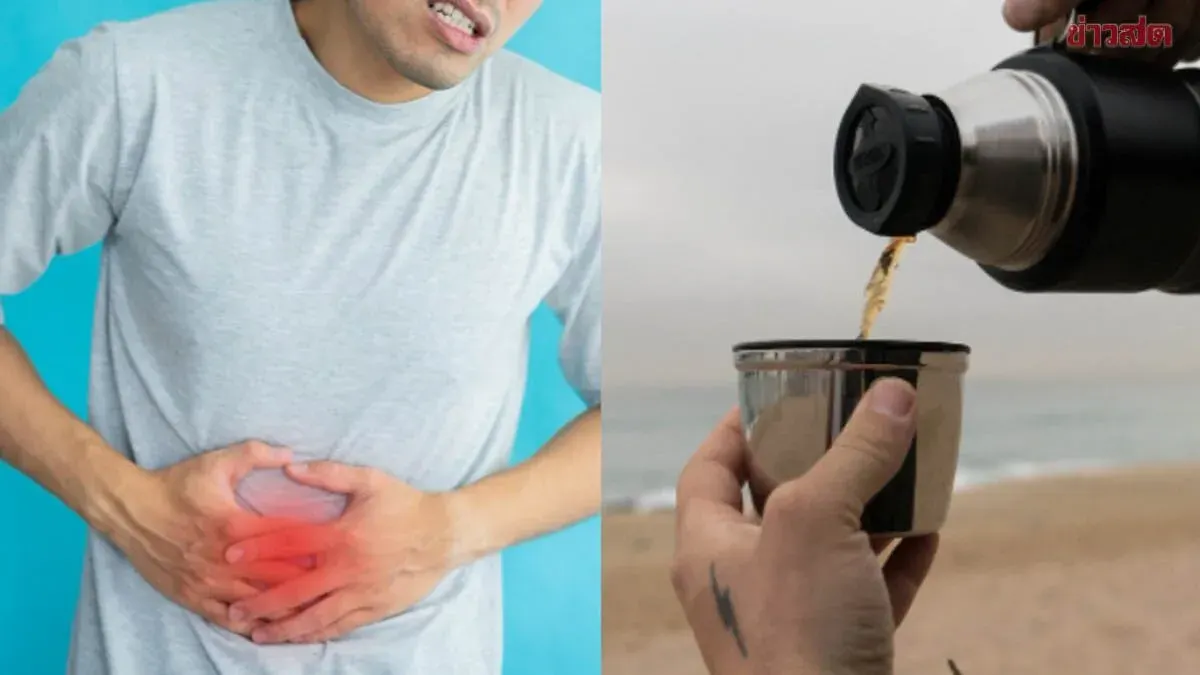
A 70-year-old man with a healthy lifestyle—no smoking, no alcohol, regular exercise—was diagnosed with advanced liver cancer and subsequently died, prompting doctors to investigate an unexpected culprit: his insulated water bottle. Dr. Chien Cheng Hong, a hepatology and gastroenterology specialist, discussed the case on a television program, explaining that despite the patient's exemplary habits of regular eating, no smoking, no drinking, and consistent exercise, he developed large liver cancer after age 70 and died shortly after. When the family was sorting through his belongings, they discovered that the insulated water bottle he had used for years to drink water and brew tea was severely contaminated with mold inside.
Doctors recommend leaving bottle caps open to dry thoroughly to reduce mold risk. Dr. Chien Cheng Hong stated that after learning of this case, he became more cautious about using insulated bottles, now leaving the cap off after use to ensure complete dryness, as moisture promotes mold growth. He explained that many people immediately close the cap after washing out of concern about dust, but if moisture remains inside, mold can proliferate. Experts also recommend replacing insulated water bottles periodically, as some stains and mold are difficult to remove completely.
Food safety expert Tan Tun Shi emphasized that people should disassemble silicone seals and rubber gaskets daily from water bottles and insulated containers for thorough cleaning and complete drying, noting that air drying is more important than hot water sterilization. This is because aflatoxin, a toxin produced by certain molds, is heat-resistant. Tan Tun Shi also warned that ochratoxin is a toxin that may damage the kidneys, while aflatoxin may harm the liver. However, the original report presented an individual case study and expert recommendations without confirming that mold in the bottle was the definitive cause of the patient's liver cancer, instead highlighting the importance of maintaining cleanliness and ensuring regular-use containers are completely dry to reduce mold and toxin risks.