Book Explores Thai Temples' Shift to Spiritual Theme Parks
The user wants a short summary (1-2 sentences, 120-220 chars, max 240) of the article about the book "Buddha Land: The Realm of Faith in Modern Thai Temples" by Phinyapan Phanalaovarn. The summary must be in English only, plain English, fac
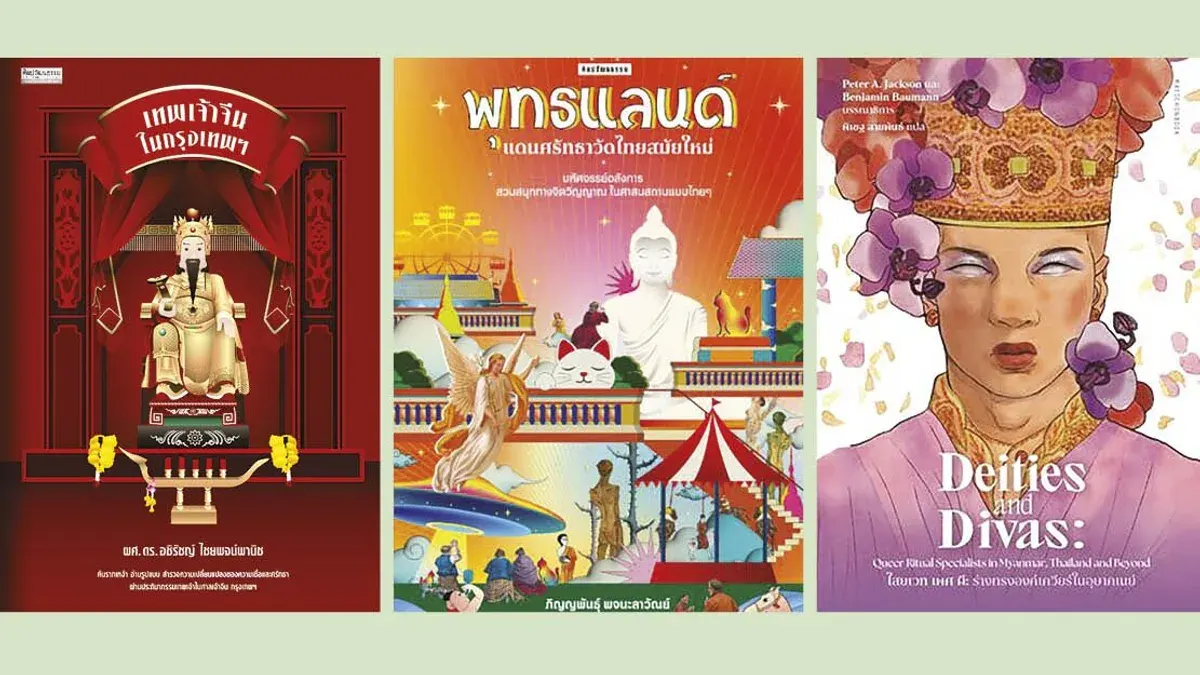
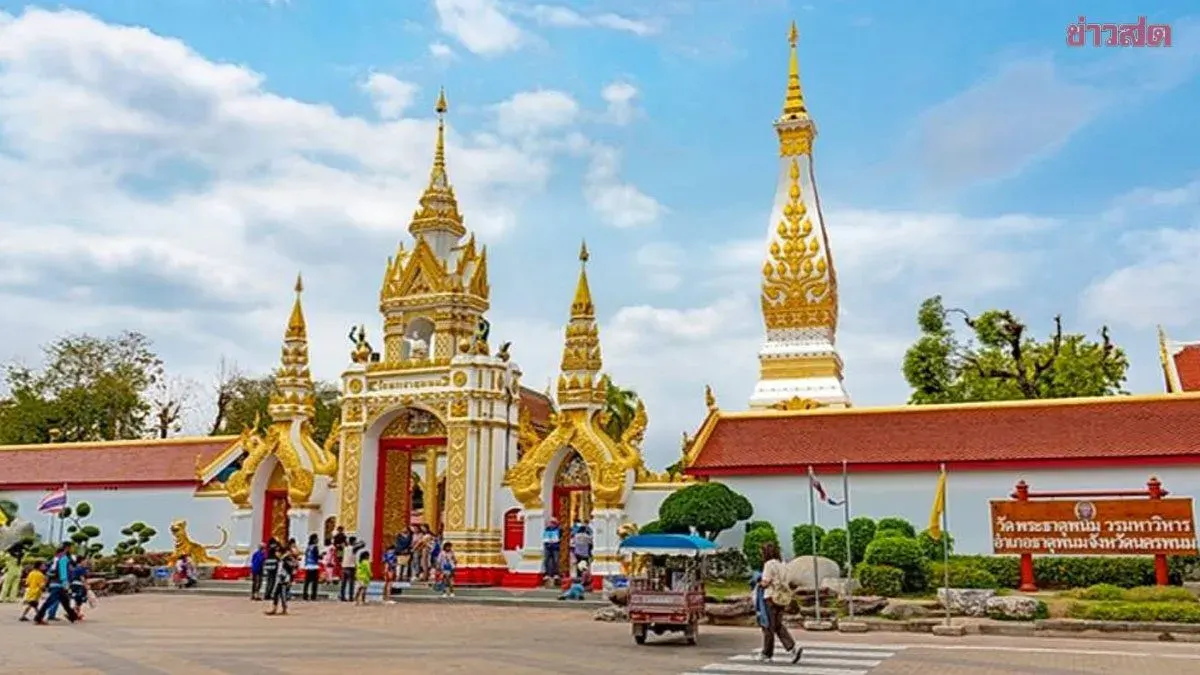
The book "Buddha Land: The Realm of Faith in Modern Thai Temples" by Phinyapan Phanalaovarn, published by Matichon Publishing House, priced at 330 baht, explains the phenomenon of Thai temples becoming tourist attractions resembling theme parks. To understand this, the author discusses three topics: 1. Diverse Buddhist concepts and religious site construction. 2. Giant marvel structures and the formation of Buddha Land before the 1997 economic crisis. 3. Thai-style spiritual theme parks after the 1997 crisis. Nationwide, the key turning point was the 1997 crisis, which led to state tourism promotion policies and new roads accessing areas off main routes, making Buddha Land-style temples more accessible by private vehicles, aligning with changing times and pop culture influences from dramas, films, and cartoons. Temple areas now resemble theme park zones; the more famous a temple is for granting luck, the more it draws people hoping for success in career and romance. Geographically, temple locations vary across the country. Sacred figures and structures also relate to regions: Kruba Sriwichai in the North, Phaya Nak in the Northeast, Somdet Phra Phutthachan (To Phromrangsi) in the Central region, and Jatukam Ramathep, Luang Pu Thuat, and Ai Khai in the South. Some sacred figures have expanded popularity beyond their regions, such as Somdet Phra Phutthachan, Luang Pu Thuat, Ai Khai, and Phaya Nak, while others like Kuan Yin and Thao Wessuwan have gained widespread popularity, especially during the COVID-19 pandemic. Economic stress and the pandemic have become turning points causing major changes in Buddha Land-style temples. Find the answers in this book. This week's column recommends four good books from Matichon Publishing. The first is "Religion and Politics in Sukhothai-Ayutthaya History" by Phiset Chiajantrong, exploring power struggles between Sukhothai and Ayutthaya through political and religious policies, leaving historical mysteries. The second is "Bharata-Siam: Must Religion (Not) Forbid Politics?" by Komkrit Uitekkeng, collecting articles that question and debate whether religion should engage in politics.