New Books Explore Forest Monks, Thai Ghost Beliefs
A new book review column from Matichon Publishing highlights three recent titles exploring Thai spirituality and culture. The lead book examines the powerful forest monk lineage of Luang Pu Man and its historic ties to the monarchy and urban elites. Two additional works cover traditional ghost beliefs and a reinterpretation of prosperity in Thai society.
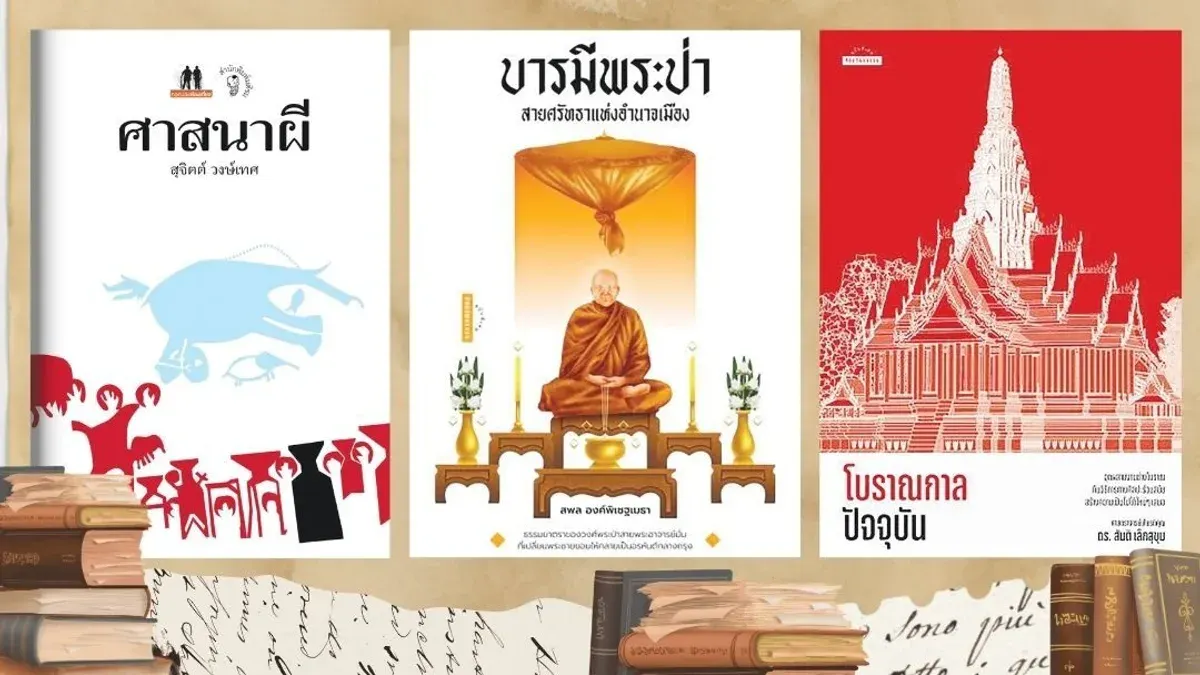
The book "Barami Phra Pa: Sai Satsana Haeng Amnat Mueang" by Sapan Ongphichetmetha, published by Matichon at 360 baht, explores the forest monk tradition. Forest monks are remembered as clergy living apart from urban centers, practicing austerity in rural forests, earning widespread respect from villagers to urban elites, businesspeople, officials, and high society. The most renowned lineage is that of Luang Pu Man Phuritatto. This volume chronicles his journey from ordination in the Rama V era, through his wandering and teaching in the North and Northeast, gaining reverence among monks and a growing following. This formed a network of monks and laypeople centered on Luang Pu Man, which expanded its social ties — first with ecclesiastical governors in the Northeast, then with the Wat Bowonniwet disciple network in the 1950s, linking the lineage to high society and the palace. The palace connection is evident in King Rama IX's patronage: during the 1960s communist troubles, the King toured the countryside regularly and served as Buddhist Patriarch, frequently making merit and paying respects to Luang Pu Man's forest monks, a devotion amplified through newspapers, radio, and television, further elevating their national stature.
Also featured in this week's column from Matichon are two other titles: "Satsana Phi" (Ghost Religion) by Sujit Wongthes (300 baht), examining ancient animist beliefs that predate Buddhism and Brahmanism, now syncretized into Thai culture as fear-driven spirits rather than revered powers, yet still embedded in traditions and rituals; and "Chai Sing: Mang Khang Yang Thep" by Somchai Chiw, addressing prosperity as not merely wealth but hope, security, and belief in life's progress.