Wei Lang's Formula: New Buddhist Book Review
A new Buddhist text by Venerable Wei Lang offers advanced teachings on meditation, wisdom, and karma for intellectually serious readers willing to approach unfamiliar dharma interpretations with openness. The book, priced at 195 baht, prese
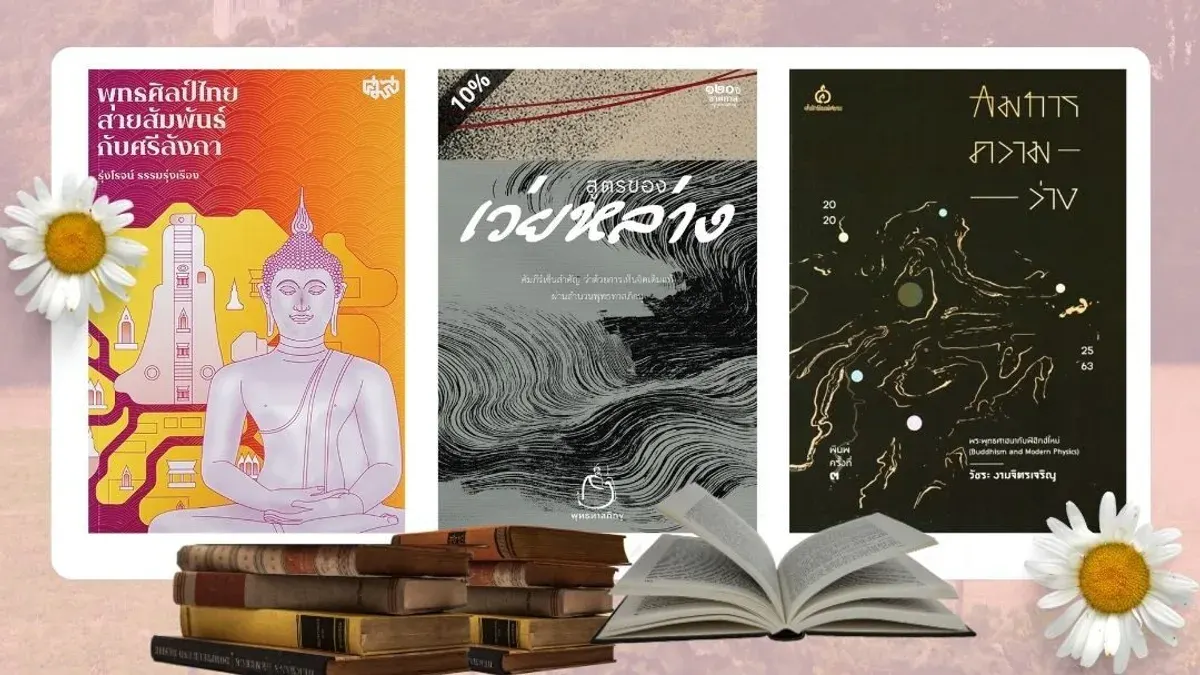
Book: 'Wei Lang's Formula' Author: Venerable Wei Lang (Hui Leng), Sangha Prinnayaka Publisher: Mental Health Publishing House Price: 195 baht
This book is genuinely intended for serious intellectuals. Those who cling firmly to their existing knowledge, prefer easy listening and simple memorization, will find little benefit in reading it. Readers must cultivate an open mind. If you encounter teachings that differ from your established beliefs, do not rush to reject them. Instead, approach the text as a fresh reader with a new spirit and new wisdom, striving to understand the author's true meaning. Reserve judgment about right and wrong until you have read and studied the material many times over. What we consider correct may not align with Wei Lang's approach, yet both may be consistent with the Buddha's teachings—the difference lies in how the dharma is explained and presented.
Some methods draw the unknowing forward by leading them by the hand, while others guide them forward with only gentle guidance. Choose whichever approach suits you: do you prefer to be led, or would you rather walk ahead with minimal guidance? If you prefer the latter, Wei Lang's teachings will be of greatest benefit to you.
Buddhism has no Chinese form, Thai form, or Western form. There is only the Buddha's Buddhism. However, the methods of teaching and the ways of reaching understanding differ greatly across different eras, times, and regions.
Wei Lang's Formula is a revered scripture in Zen Buddhism, serving as a crucial record of the teachings of Venerable Wei Lang, the Sixth Sangha Prinnayaka. The content begins with his biography and his approach to the dharma before presenting important teachings on topics including wisdom, skillful means and wisdom, concentration and wisdom, meditation, recognition of karma, and teachings suited to individuals and their circumstances. The book also covers the nature of the sangha and various schools, the final resting place discourse, and ultimate teachings—offering readers a systematic view of Wei Lang's practice and thought.
This book serves both as an important Buddhist scripture and as a source for understanding the fundamental thinking of Zen Buddhism.
Also featured this week: 'Thai Buddhist Art and Its Connection to Sri Lanka,' authored by Rungrojn Thammrung from the Sirinat Center for Anthropology (Public Organization). The work examines how Thailand and Sri Lanka have maintained long-standing religious connections. Most commonly recognized is Thailand's adoption of Buddhism from Sri Lanka around the 18th Buddhist century—a form now called Theravada Buddhism—which played a significant role in Nakhon Si Thammarat, Sukhothai, and Lan Na. While evidence has traditionally relied on written documents, incorporating art-historical evidence reveals even deeper connections and allows us to trace Buddhist links back more than 1,500 years to the Dvaravati period.