Buddhist Book Explores The Language Of Dharma
Buddhist monk Buddhadasa's compiled sermons explore how dharmic language differs from everyday speech, revealing deeper spiritual meanings in common words like path, nirvana, and even father and mother.
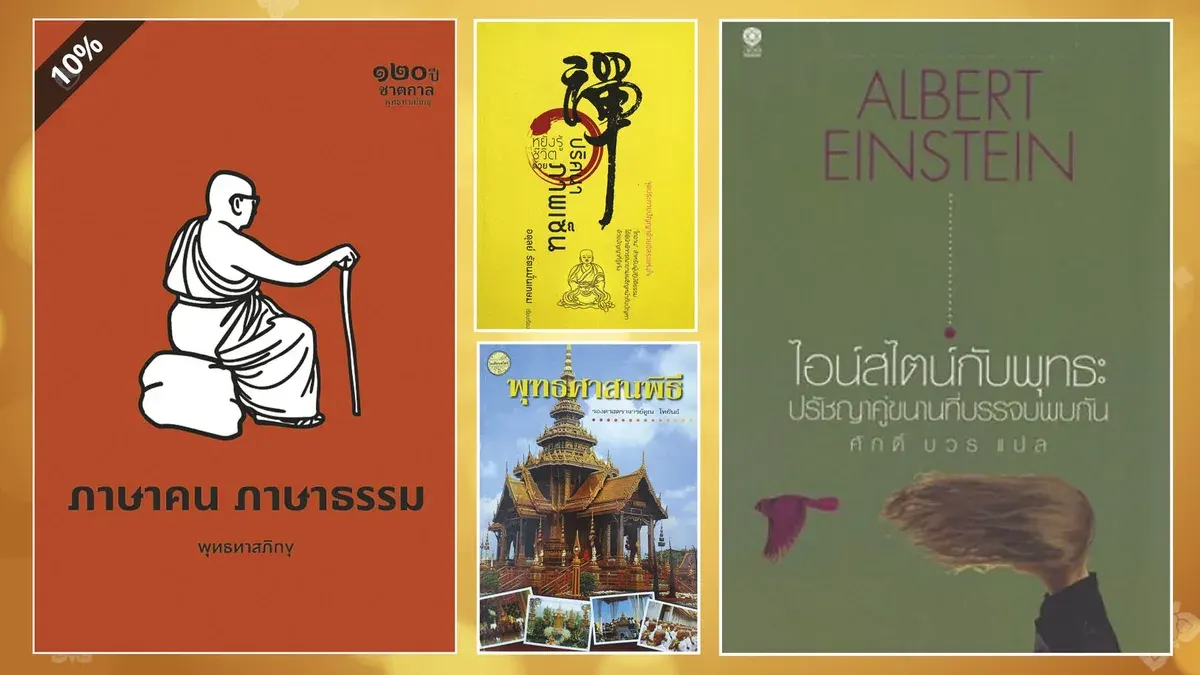
The book 'The Language of People, The Language of Dharma' is written by Buddhist monk Buddhadasa and published by Mental Health Publishing House for 95 baht. It compiles three dharma sermons by teacher Buddhadasa: the first titled 'The Language of People, The Language of Dharma' delivered on October 8, 1966; the second 'Let Us Consume Time Together' given on New Year's Day, January 1, 1967 at Mokkhaphalaram Monastery in Chaiya; and the third 'Dharma as a Subject of Study' from September 16, 1979. Though delivered at different times, all three address the same theme: the distinction between ordinary meaning and dharmic meaning of the same words. Terms like path, fruit, nirvana, heaven, and transgression carry different significance in dharmic language than in everyday speech. Even common words like father, mother, friend, eat, play, wake, and laugh have deeper meanings in the language of dharma. The teacher emphasizes that many people understand only the worldly sense of these words, which prevents them from grasping the profound teachings. Therefore, understanding both languages is necessary for higher study of the dharma. The column also recommends 'Discovering Life Through Zen Paradoxes' by Chen Hejing from Tao Applied Publishing, priced at 160 baht, which uses zen stories and questions to train readers in contemplation and awakening. Additionally, 'Buddhist Rituals' by Associate Professor Khun Thokhan explains the formal practices and ceremonies in Buddhism, emphasizing their sacred nature and proper performance.