Flooding Hits Six Provinces, Over 23,000 Families Affected
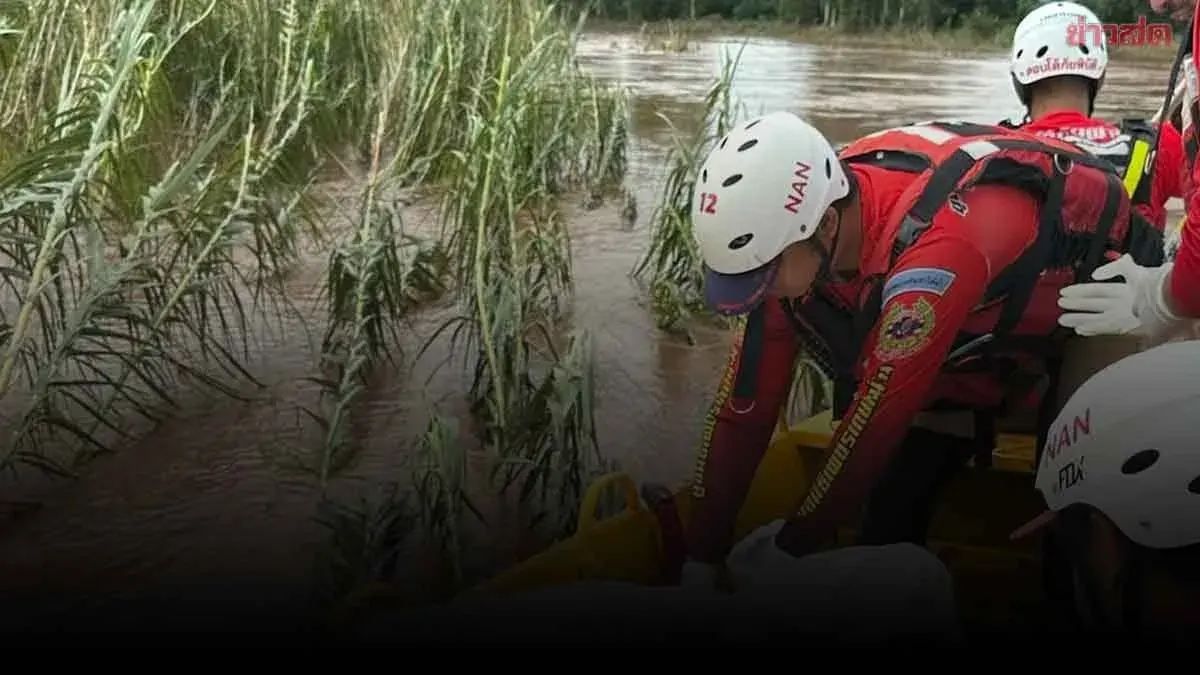
Flooding across six northeastern and northern provinces has affected over 23,800 families, with two deaths reported in Nan Province as water levels begin receding in most areas.
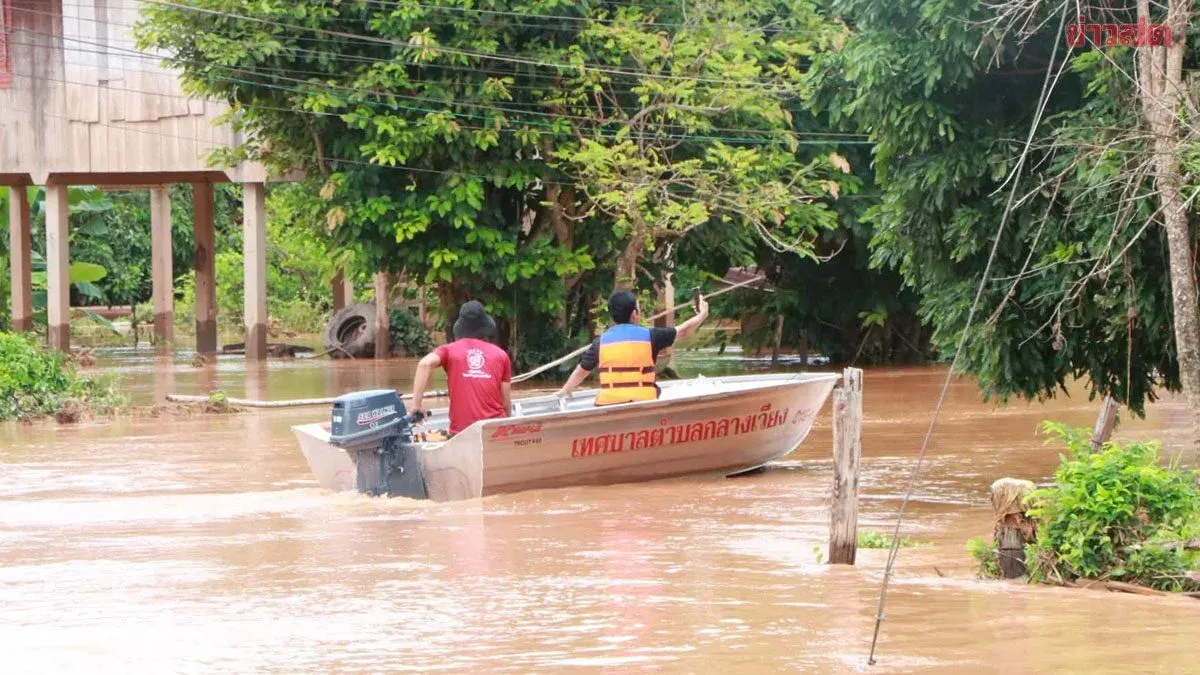
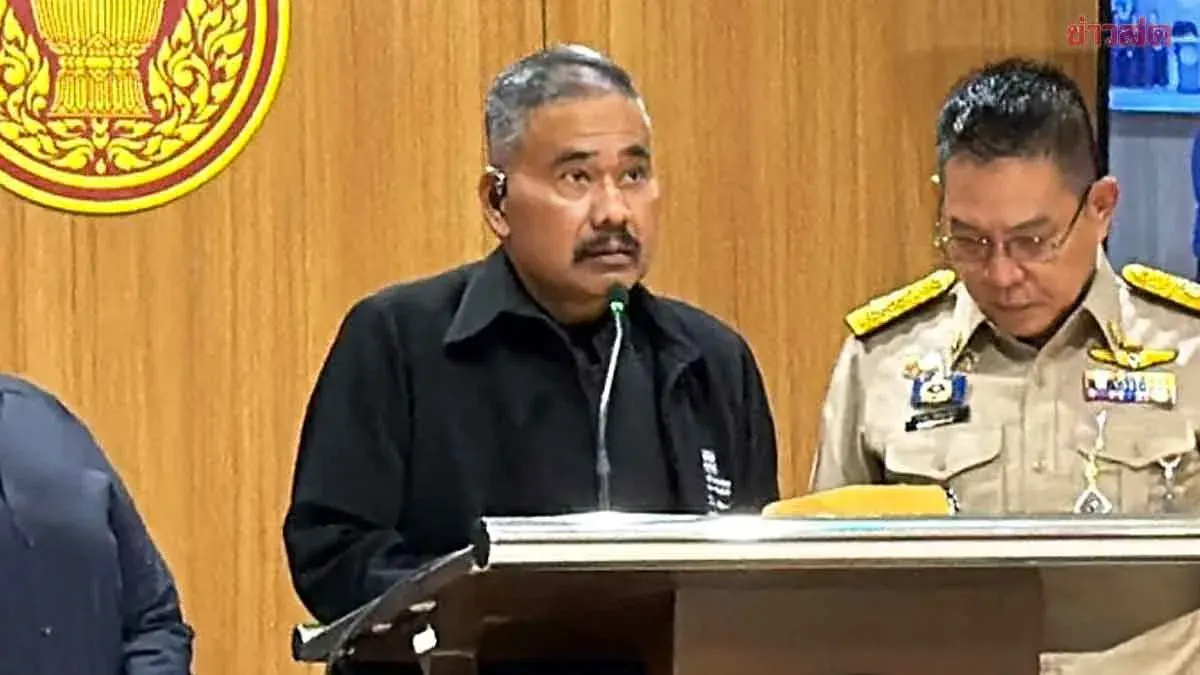
The Disaster Prevention and Mitigation Department reported on August 21 that flooding persists across six provinces: Nan, Sukhothai, Phitsanulok, Phetchabun, Sakon Nakhon, and Ubon Ratchathani, affecting 23,823 households totaling 73,797 people across 16 districts, 61 subdistricts, and 363 villages. Two fatalities have been recorded in Nan Province—one in Pua district and one in Tha Wang Pha district. The department and affiliated agencies are continuing coordinated relief and safety operations, with many areas stabilizing and entering recovery phases.
Flood impact by province:
Nan: Seven districts, 34 subdistricts, 223 villages affected; 21,050 households (66,097 people) impacted. Water overflowed roadways in some areas, blocking passage. Water levels are currently receding.
Sukhothai: Three districts, 19 subdistricts, 115 villages; 1,977 households (5,259 people) affected. Water levels are holding steady.
Phitsanulok: Chomphu subdistrict, Noen Maprang district; two villages with 29 households (91 people) affected. Nineteen households (34 people) were evacuated to Chomphu Temple. Water levels are stable.
Phetchabun: Tat Kloi subdistrict, Lom Kao district; two villages with 45 households (141 people) affected. Water levels are holding steady.
Sakon Nakhon: Sawang Daen Din district, two subdistricts, nine villages; 657 households (2,063 people) affected. Water levels are stable.
Ubon Ratchathani: Three districts (Khong Chiam, Khemarat, and Pho Thai), four subdistricts, 12 villages; 65 households (146 people) affected. Water levels are holding steady.
The department is coordinating with provincial, district, and local government authorities, volunteers, civil defense units, foundations, and related agencies to provide continuous assistance including evacuations, water drainage, and livelihood support. In stabilized areas, cleanup and recovery operations are underway to remove silt, debris, and blockages from structures, homes, roads, and public spaces so residents can return as soon as possible.