Buddhist Abbot Opens Up on Land Dispute Frustrations
A Buddhist abbot in Khon Kaen Province expressed frustration over a decades-long land dispute, saying age has discouraged him though he maintains the temple will ultimately own the property after Supreme Court proceedings conclude.
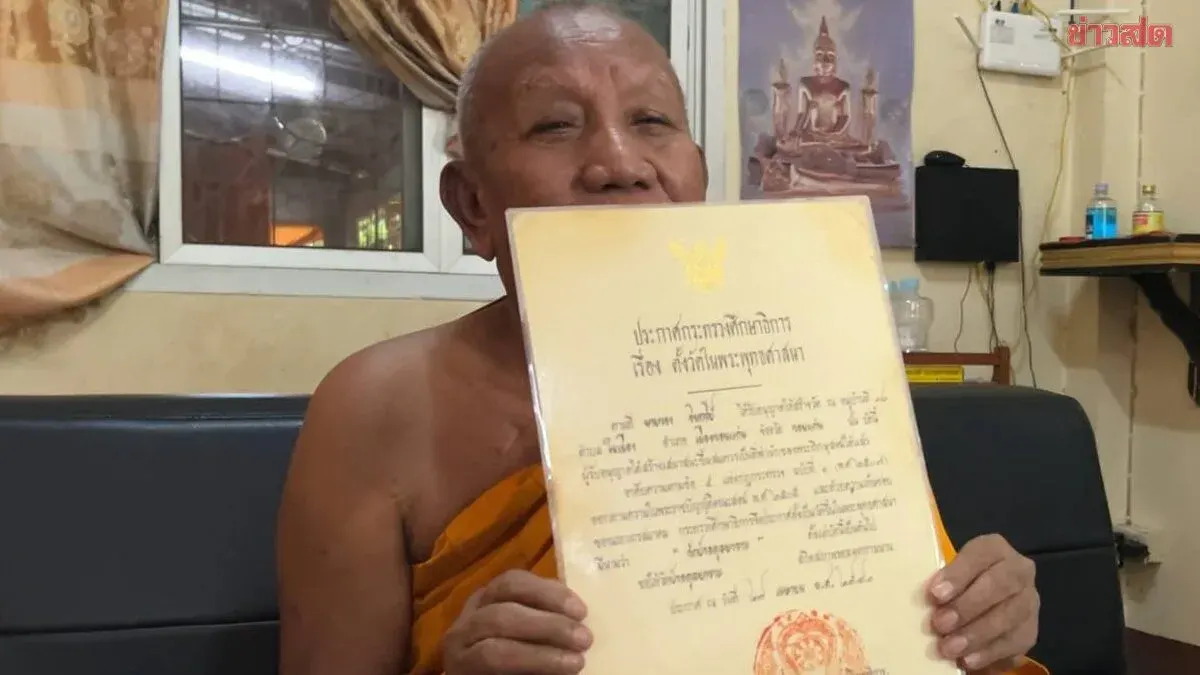
At 10 a.m. on August 13, 2026, reporters visited Wat Pa Adulyaram in Muang District, Khon Kaen Province, to follow up on the land dispute between the temple and the heirs of the original landowner. The atmosphere was normal, with monks continuing their daily religious duties and villagers making alms offerings as usual.
Abbot Phra Kru Adulphon Nithes of Wat Pa Adulyaram stated that as a monk, he felt it inappropriate to personally pursue legal action against lay people. He has served as abbot for 36 years without concern, and while the legal proceedings initially did not burden him, age has brought some discouragement. "Please do not worry or be stressed," he said in a message to supporters. "The land remains the temple's property after all court proceedings. I thank everyone for their support, and ask that their faith be returned to bring them happiness."
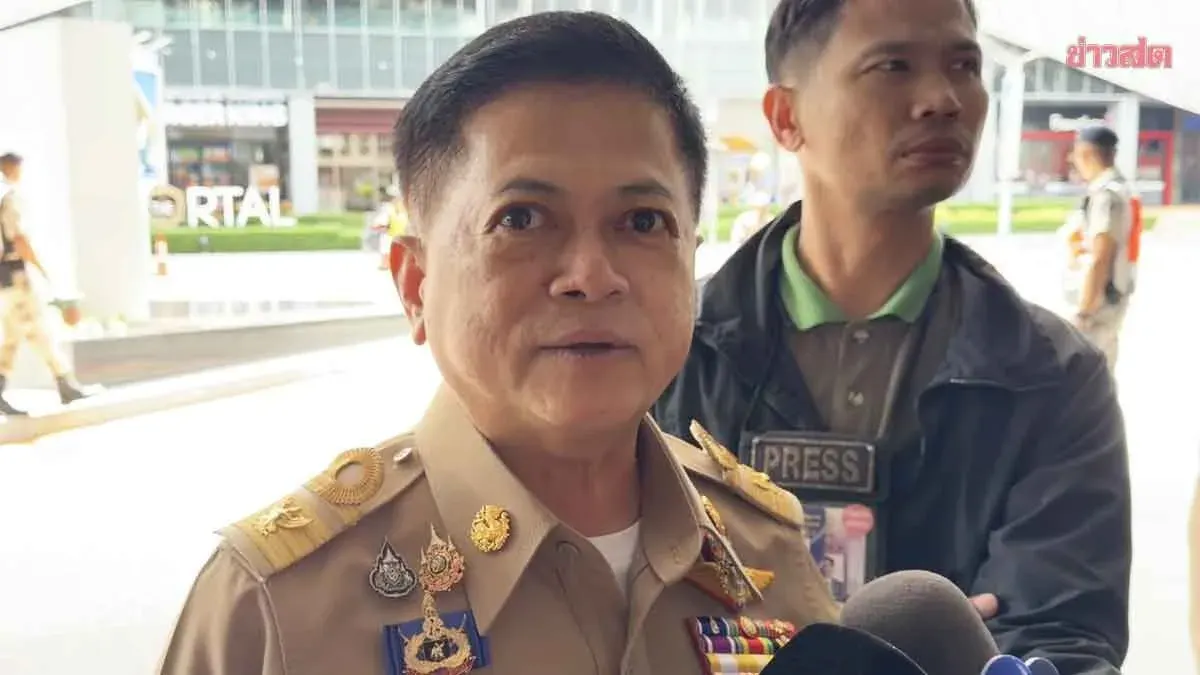
Khon Kaen Governor Khachon Rietkhanitpanit revealed that a request to issue a certificate of temple land ownership is still pending final processing. The matter dates back to 1993 when a donor contributed the land to the temple, but it was never officially registered. The case has already been decided by the lower and appellate courts, with only the Supreme Court stage remaining. "I urge both the temple and the heirs to wait for the Supreme Court's decision," the governor said. "If we make our own determinations, we may act unlawfully. The donor clearly wished the land to benefit the temple, so we should let the court decide. When land registration requests are filed, there is a 30-day period for anyone with claims to object. If no objections are raised, the process continues; if valid claims emerge, legal steps must follow."
The governor added that police have been deployed to maintain order and prevent conflict, and provincial officials have been sent to speak with residents. He noted that while the legal proceedings are complete, the registration step remains unfinished, citing the analogy of a will that must still be proven in court even after the testator's death.