Doctor Debunks Myth That Rainwater Causes Colds in Children
A doctor debunks the widespread Thai myth that rainwater causes colds in children, explaining that cold temperatures weaken immune defenses and allow viruses to spread, not the water itself.
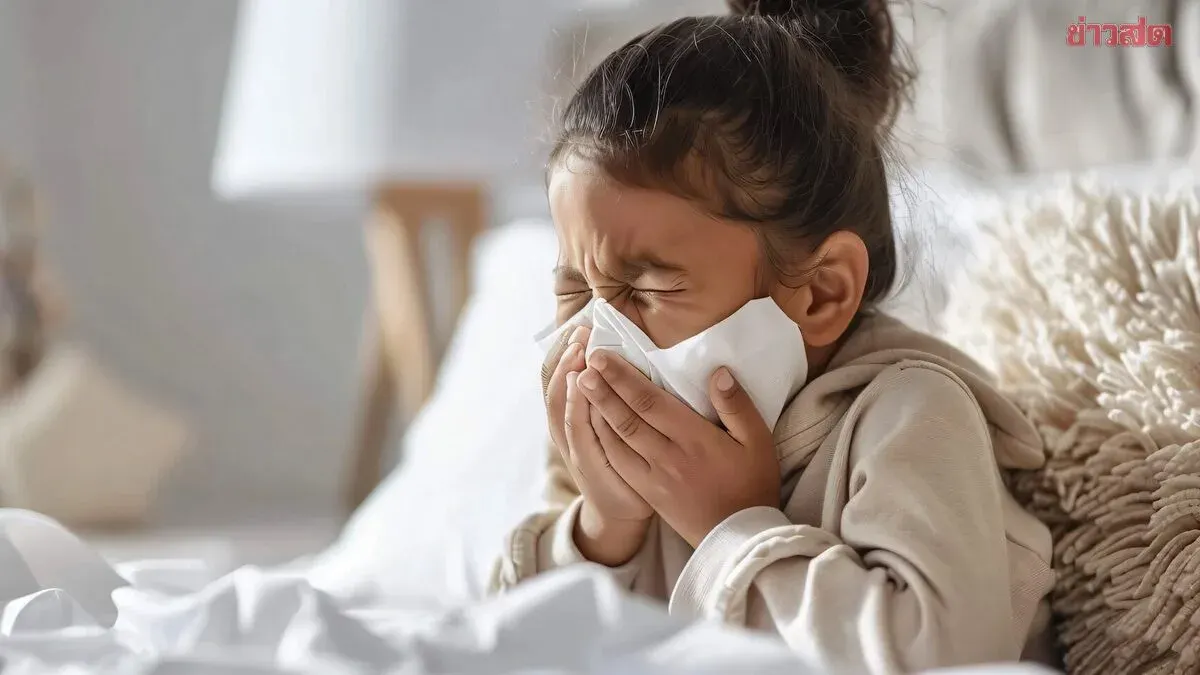
On August 13, obstetrician and gynecologist Nopmesat Sricharusitthikul, known as Doctor Yeen, posted on Facebook through the page "Birth with Doctor Yeen" asking: "Rainwater doesn't contain cold viruses... so why do children always get sick when they get rained on?"
Doctor Nopmesat clarified: "Mothers, raindrops don't contain cold viruses and raindrops don't harm your child." He notes this is one of the biggest misconceptions in Thai society, passed down through generations, making many parents feel guilty when their children get wet in rain.
Medically, rainwater is pure H₂O falling from the sky, though it may contain dust particles, but it contains no "cold or flu viruses." The reason children often become ill after getting rained on is not the water itself, but what happens to the body when exposed to cold. When raindrops hit a child's skin and head, surface temperature drops rapidly, triggering the body's automatic response: vasoconstriction of blood vessels. Blood vessels in the respiratory tract, nasal mucosa, and throat constrict, reducing the circulation of white blood cells and immune defense. In simple terms, the child's respiratory defense weakens temporarily.
Conciding with rainy season, the air has high humidity and cooler temperatures—ideal conditions for rhinovirus and RSV to thrive and spread. When children's immune defenses weaken, they breathe in virus-laden air, allowing viruses to establish and multiply easily.
In summary, rainwater doesn't cause colds, but the cold from rain weakens the child's first line of immune defense, giving viruses an opportunity to attack.
The doctor does not recommend letting children play in heavy rain, as they risk hypothermia and rainwater in cities may contain irritants that affect eyes and skin.
If your child accidentally gets caught in the rain, parents should not scold or feel guilty. Instead, take these three immediate steps:
1. Dry the body and hair thoroughly: This restores warmth to the head and body, allowing blood vessels to expand and resume normal circulation of white blood cells. 2. Change into dry, warm clothes: Avoid letting wet clothes cling to the skin for long periods. 3. Give warm water to drink: This helps regulate temperature in the throat area and moisturize the respiratory tract lining.
Modern parenting requires understanding the science behind illness. If your child develops high fever, lethargy, difficulty breathing, or refuses to feed, seek medical attention promptly, as it may be more than a common cold.