Health Officials Warn of Five Rainy-Season Diseases Amid Floods
Health officials at Wimut Hospital warn of five diseases — influenza, dengue, leptospirosis, diarrhea, and skin infections — that become more prevalent during heavy rains and floods. They urge the public to recognize early symptoms, practice preventive measures such as hand washing, wearing masks, and avoiding contact with stagnant water, and seek prompt medical care for worsening conditions. Special caution is advised for children, the elderly, and those with chronic illnesses.
The article details each disease: Influenza – prolonged high fever, difficulty breathing, chest pain, lethargy, or rapid deterioration require medical attention, especially for young children, the elderly, pregnant women, and those with chronic illnesses; frequent hand washing, wearing masks when symptomatic or in crowded places is recommended.
Stagnant water after rain creates breeding sites for Aedes mosquitoes, raising dengue fever risk. Even small amounts of water in plant saucers, water tanks, containers, or trash around homes can harbor larvae. Symptoms begin with sudden high fever, headache, pain behind the eyes, muscle aches, nausea, vomiting, or rash. Caution is needed during the period when fever starts to subside, as this does not always indicate improvement; worsening abdominal pain, frequent vomiting, drowsiness, cold extremities, or abnormal bleeding warrant immediate hospital care. Aspirin, ibuprofen, or diclofenac should not be taken without medical advice if dengue is suspected.
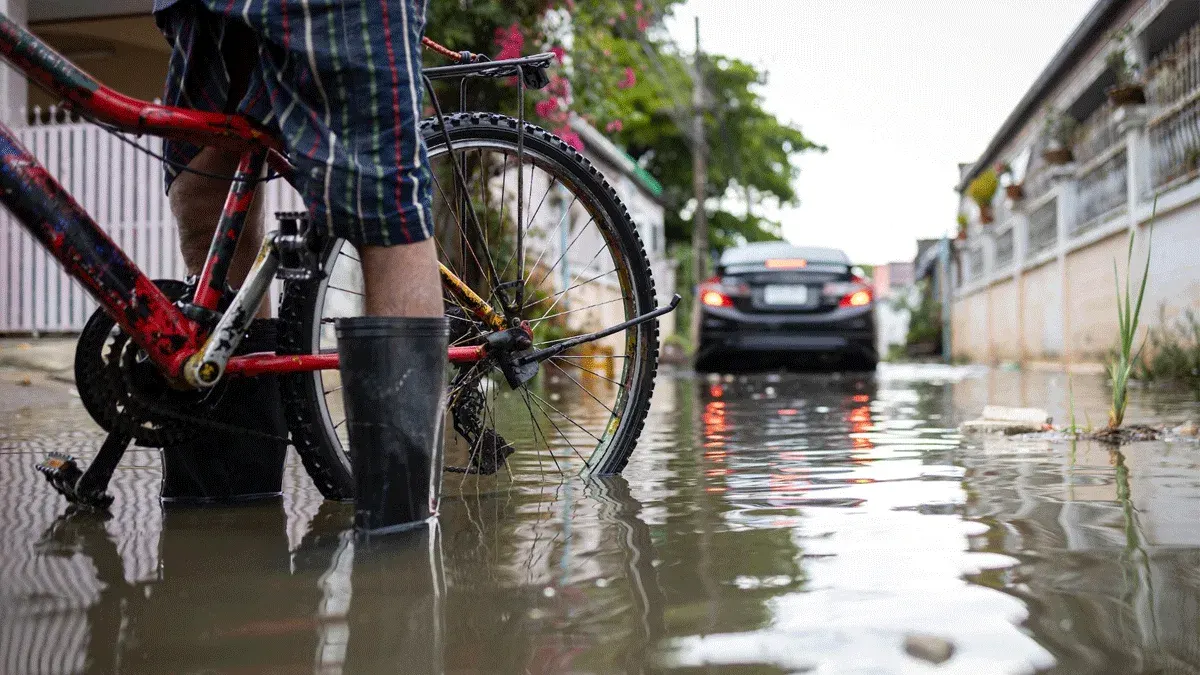
Wading through water or mud poses a risk of leptospirosis, as bacteria from animal urine contaminate soil, water, and mud. The bacteria can enter the body through cuts, abrasions, or mucous membranes, even tiny wounds. After exposure, if high fever, headache, muscle pain — especially in calves and back — red eyes, nausea, or vomiting occur, medical help should be sought promptly, with a clear history of floodwater or mud contact reported to aid diagnosis. Protective boots and gloves should be worn, wounds covered, and barefoot walking avoided. After leaving the water, the body should be washed immediately with clean water and soap.
Diarrhea and food poisoning – besides garbage and waste, floodwater carries sewage and pathogens into water sources, food ingredients, utensils, and meals. Diarrhea is among the most common illnesses during this period, and food poisoning also peaks in the rainy season.