Thai Authorities Seize 400 African Ivory Tusks at Laem Chabang
Thai authorities seized about 400 pieces of African elephant ivory hidden in containers declared as processed wood at Laem Chabang port. Minister Suchat Chomglin ordered the National Parks, Customs, and UNODC to conduct DNA testing and expand the investigation into international wildlife trafficking networks. The ivory, traced to Zambia, will be forensically analyzed to identify its origin and aid in tracking the smuggling syndicate.
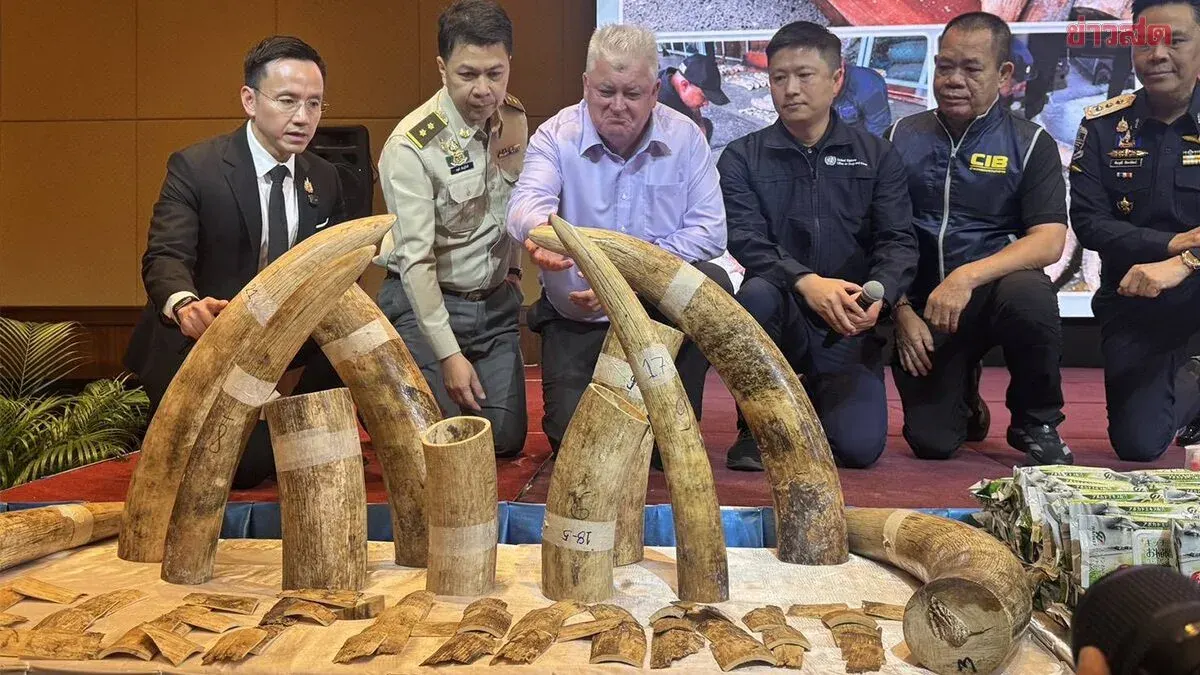
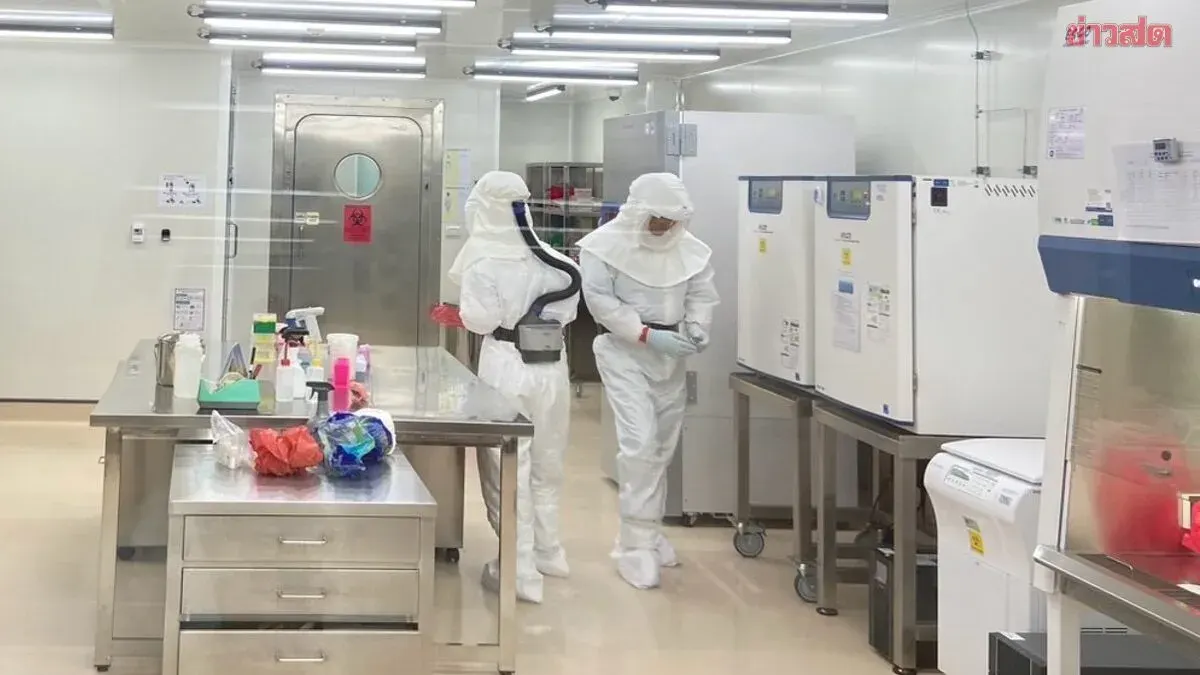
Suchat Chomglin said he had urgently ordered the Department of National Parks to integrate efforts with Customs and UNODC to strengthen prevention, suppression, and dismantling of all forms of illegal wildlife trade, including sending forestry experts and forensic scientists to officially count the evidence and conduct DNA analysis.
Department of National Parks Director Yongyut Nakawiwong said the ivory had been smuggled from Zambia the previous week. Customs officers, after analyzing shipping risks, inspected two containers declared as processed wood and discovered large quantities of African ivory hidden inside the wood.
Sudhee Phanphakdi, director of the CITES Wildlife and Plant Protection Division, said that next week a team of academics and forensic experts will be sent to formally inventory the seized items and collect tissue samples for DNA testing. The forensic data will help identify the ivory’s origin and be shared with INTERPOL to trace the masterminds and destination countries.
If the investigation links the crime to transnational criminal organizations or involves high-value assets, the National Parks Department and Customs will hand over evidence to the Department of Special Investigation (DSI) for possible designation as a special case, allowing asset forfeiture and strict legal action against the offenders.