Health Ministry Warns Elderly of RSV Surge in Rainy Season
Thailand's Department of Disease Control warns that RSV cases surge during the rainy season from July to November, posing a serious threat to adults over 50 with chronic conditions such as lung disease, heart disease, diabetes, and kidney disease. Global data from 2015 show over 336,000 elderly hospitalizations and 14,000 deaths from RSV pneumonia. Officials urge early diagnosis and caution, as the virus spreads easily and symptoms often mimic a mild cold.
With the onset of the rainy season, most people brace for seasonal flu, but a quieter respiratory danger circulates year-round: RSV. The concern is well-founded. Thailand's Department of Disease Control warns that the rainy months bring a spike in respiratory infections — influenza, COVID-19, pneumonia, and RSV — especially from July to November. A 2015 analysis in The Journal of Infectious Diseases estimated 336,000 hospitalizations and 14,000 in-hospital deaths worldwide among adults 65 and older due to RSV pneumonia, underscoring that this is neither rare nor distant.
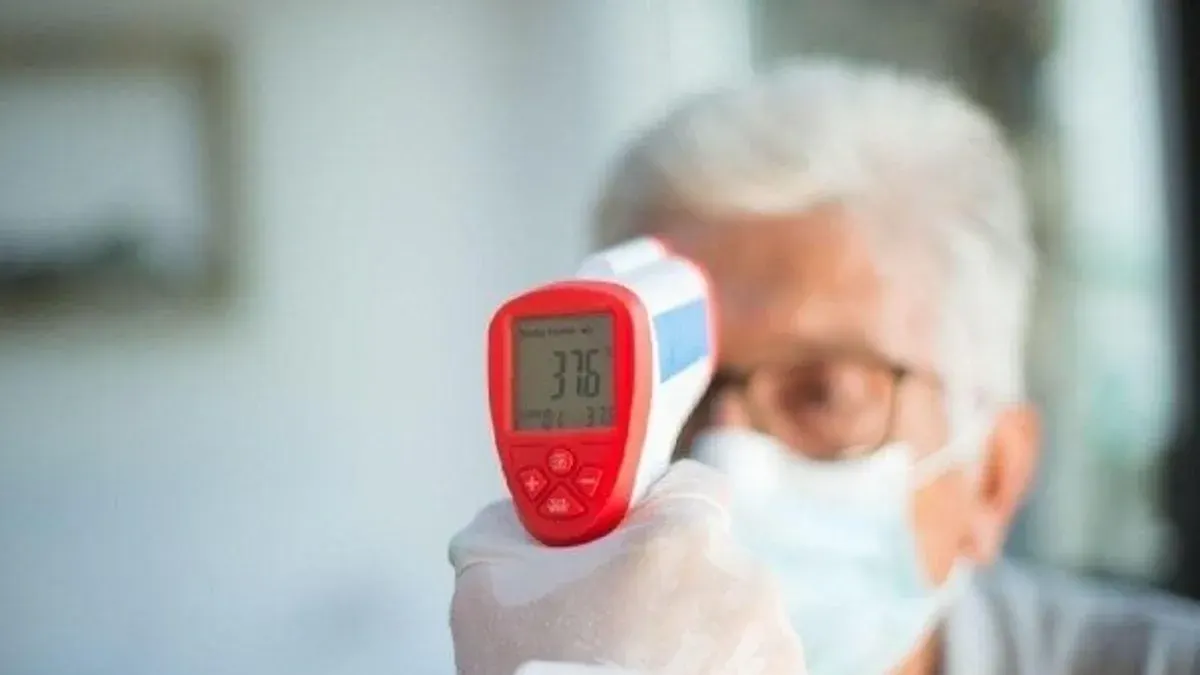
A common misconception is that RSV only affects children. In reality, the virus readily infects older adults and is a leading cause of lower respiratory tract illness and pneumonia. It spreads easily through coughs, sneezes, and contact with secretions; one patient can infect up to three close contacts. Early symptoms — fever, cough, runny nose — mimic a common cold, leading many to delay care. While healthy adults may have mild illness, adults 50 and older, especially those with chronic diseases, can develop rapid breathing difficulty, wheezing, and life-threatening complications if not diagnosed promptly. RSV can also prolong recovery far longer than expected.
Aging naturally weakens the immune system, and chronic conditions amplify the severity of RSV pneumonia. Studies show one in four hospitalized patients may require mechanical ventilation, and mortality among older adults reaches 26.7%. Four key condition groups carry the highest risk: chronic lung disease, chronic heart disease, diabetes with organ damage, and stage 4–5 chronic kidney disease. For example, RSV infection makes asthma patients seven times more likely to be hospitalized and COPD patients ten times more likely; nearly 18% of COPD patients with RSV need ICU care and 9% require ventilator support.