DDPM Urges 72-Hour Emergency Kits, Cites Global Standards
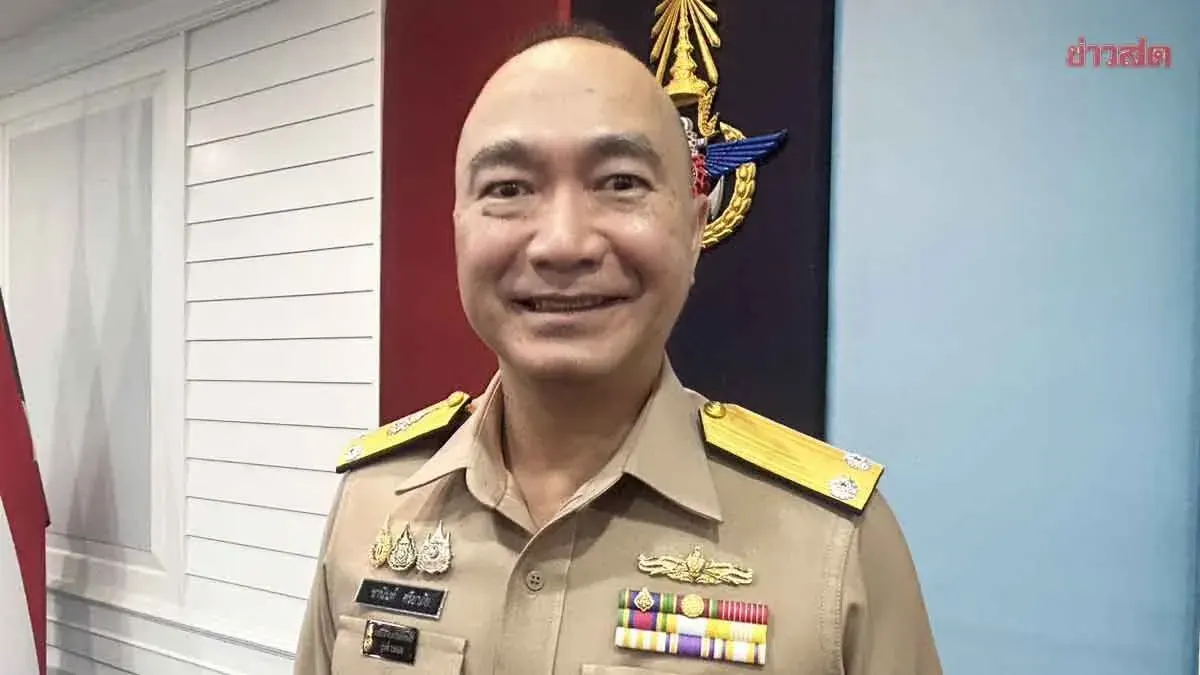
The Department of Disaster Prevention and Mitigation (DDPM) reiterated its long-standing advice for Thais to prepare 72-hour emergency kits, based on global disaster preparedness standards. Director-General Niwat Pongsiithaworn stressed there is no current crisis or war threat, urging the public to stay aware but not panic, and confirmed supply chains are stable.
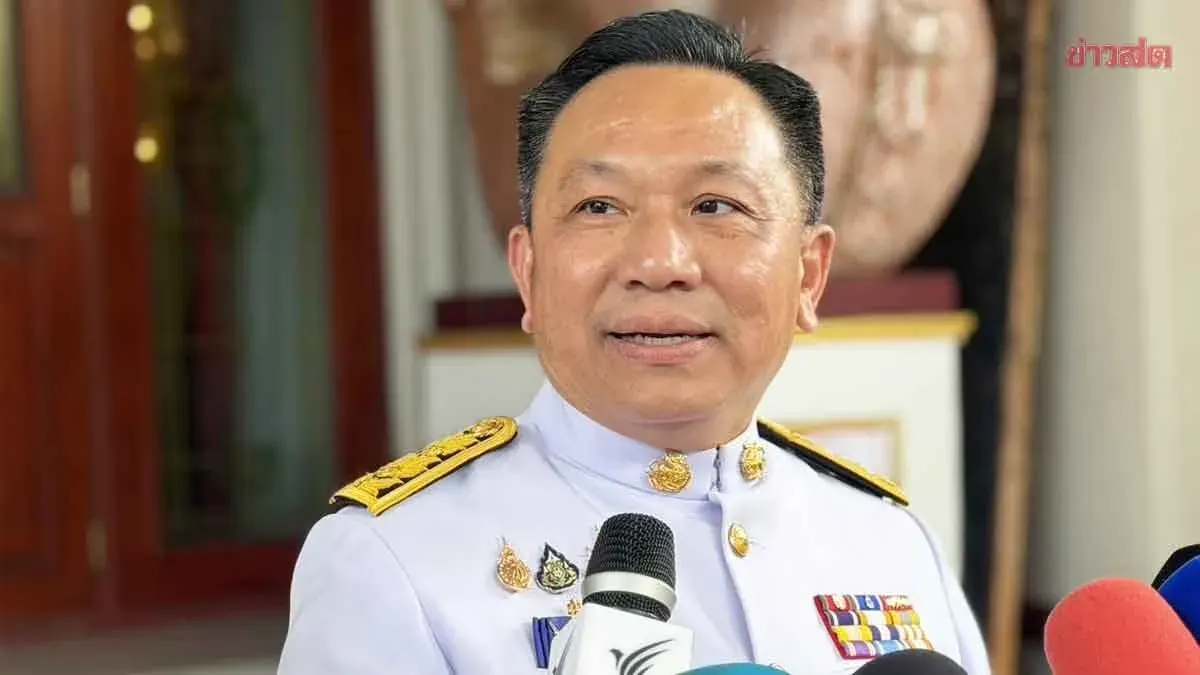
On November 4, 2026, at Wat Hong Rattanaram Ratchaworawihan in Bangkok, DDPM Director-General Niwat Pongsiithaworn addressed the agency's call for the public to prepare 72-hour emergency survival kits for any situation. He explained that this guidance has been in place for a long time; the DDPM did not devise it independently but learned from international disaster management cooperation with countries in Europe and Asia that already have such preparedness measures. Even when governments assist citizens during emergencies, calculations show that in severe disasters, aid may not reach everyone fully within the first three days. Therefore, the 72-hour recommendation is standard advice from prepared nations worldwide, urging people to stock essential items — not for quarantine — such as drinking water, medicine, dried food, communication devices, and cash.
Niwat noted that recent public interest stems from European advisories on 72-hour survival kits due to war concerns, but Thailand does not face that level of threat. The DDPM has coordinated with the National Security Council (NSC) on warnings and guidance. The DDPM routinely works with the military; they have studied this theory together for years. However, national security remains the military's and NSC's responsibility, while the DDPM advises on disaster and emergency preparedness.
Asked if Thailand must prepare 72-hour kits today, Niwat replied that preparedness must be constant, not tied to a specific day. Every country advises citizens to be ready regardless of immediate threats because unforeseen events cannot be predicted. The kit should be a backpack for convenience during emergencies.
Regarding other threats besides war, he cited disasters like building collapses and floods. In widespread flooding or earthquakes, responders may not reach all areas promptly, and supplies of medicine and food may run short; a 72-hour kit is the global solution to survive three days.
On the NSC assigning the DDPM to issue hazard warnings, Niwat said the DDPM already collaborates regularly with security agencies. For incidents not yet constituting a security threat but qualifying as disasters, the DDPM acts directly. If the situation escalates to a security threat, the Ministry of Interior, as the rear-area protection unit, would guide the public, including on evacuation, using increasingly ready warning systems.
Asked if warnings might cause panic buying, Niwat echoed the Prime Minister's "aware but not panic" stance, as no crisis exists. He added that failing to warn would draw criticism; the DDPM has issued this advice annually, though it may not have garnered attention until Europe issued similar alerts.