DDPM Urges Public to Prepare 72-Hour Emergency Bags
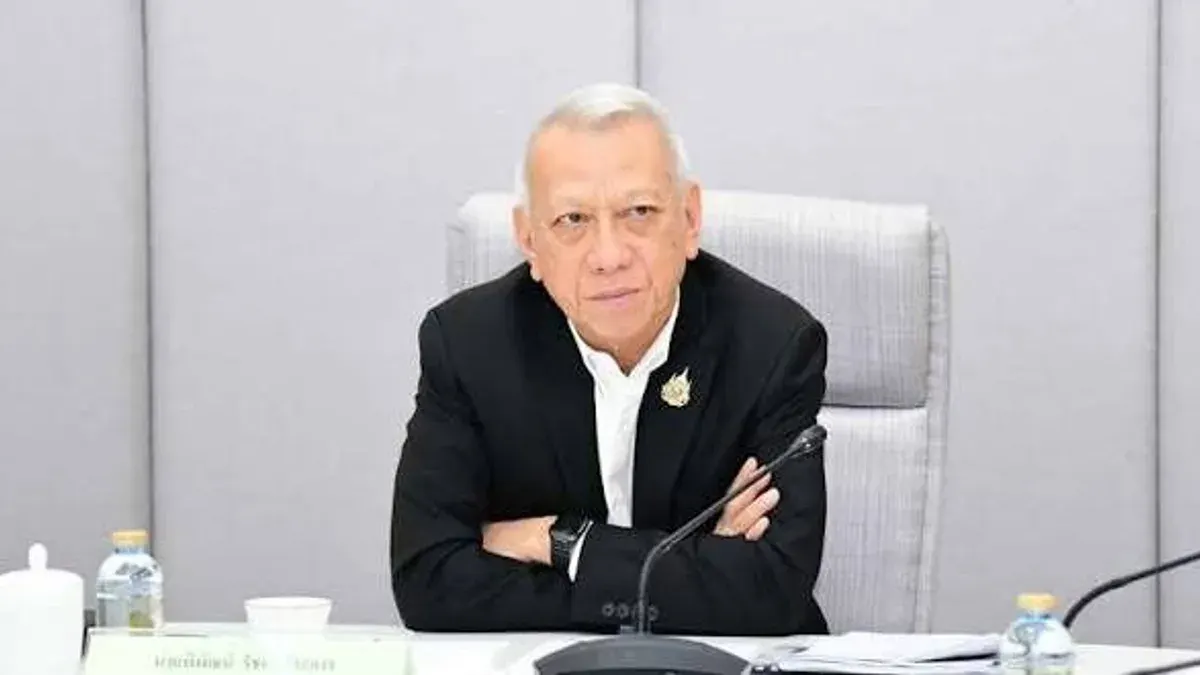
The Department of Disaster Prevention and Mitigation is urging all Thai households to assemble 72-hour emergency bags containing supplies across six categories — medicine, food and water, communication tools, documents, hygiene items, and clothing. Director-General Niwat Phongsithaworn emphasized that the first 72 hours after any disaster are critical for survival before government aid arrives, and the kits prepare citizens for both natural and human-made emergencies.

The Department of Disaster Prevention and Mitigation (DDPM) is urging the public to prepare 72-hour emergency bags to cope with all types of disasters and emergencies, with the government readying contingency plans to build public confidence and safety.
On November 2, 2026, DDPM Director-General Niwat Phongsithaworn revealed that many countries worldwide have issued alerts advising citizens to stockpile food, medicine, and essential supplies for 72 hours to deal with the Middle East conflict. Although Thailand is not among the countries required to prepare for that specific situation, the DDPM has continuously raised awareness and campaigned for citizens to ready "emergency bags" as a risk-reduction measure. An emergency bag not only prepares people for international conflicts but serves as a basic readiness tool for safety from any disaster or emergency — whether natural, such as flash floods, flash floods, landslides, earthquakes, and epidemics, or human-made, such as fires, traffic accidents, and terrorism.
"The first 72 hours is the international standard for disaster and emergency preparedness, considered a crucial period because in the first three days after a disaster, people must survive on their own while waiting for government assistance to reach each area. Preparing enough water, food, and equipment for oneself and one's family until help arrives will sustain basic survival and handle unexpected events safely," Niwat said.
For the "Emergency Bag," the public should prepare essentials in six categories: 1. Medicine and health — first aid kit, household medicines, personal medications, medical records. 2. Food and water — clean drinking water at 3 liters per person per day, plus ready-to-eat food, energy snacks, and special food for vulnerable groups like infants, elderly, or patients. 3. Communication and tools — mobile phone, power bank, flashlight, spare batteries, transistor radio for news if internet is cut, whistle, candles, lighter, notebook, pen, pocket knife, scissors, rope, tape. 4. Documents and money — important documents with copies in waterproof envelope: ID card copy, house registration, health insurance card, driver's license, bank book, land title deed, spare house/car keys, and cash for emergencies if online banking fails, all in zip-lock bags. 5. Personal hygiene — tissue, toothbrush, toothpaste, bathing supplies, garbage bags. 6. Clothing and bedding — spare clothes, raincoat, hat, blanket/sleeping bag sufficient for the initial emergency period.
"Every household should have an emergency bag because if any emergency occurs — whether cyber warfare, international conflict, or natural disaster — you can grab it immediately when evacuating a risk area. Choose a lightweight, waterproof bag kept in an easily accessible spot. Importantly, once packed, you must regularly check the condition and expiration dates of items," Niwat added.
Niwat further stated that beyond this, disaster and emergency preparedness also requires...