Transport Ministry Accelerates 327 Billion Baht Upper Isan Infrastructure Plan
Transport Ministry accelerates 327 billion baht infrastructure plan for Upper Isan, including 78 projects and a key Khon Kaen–N
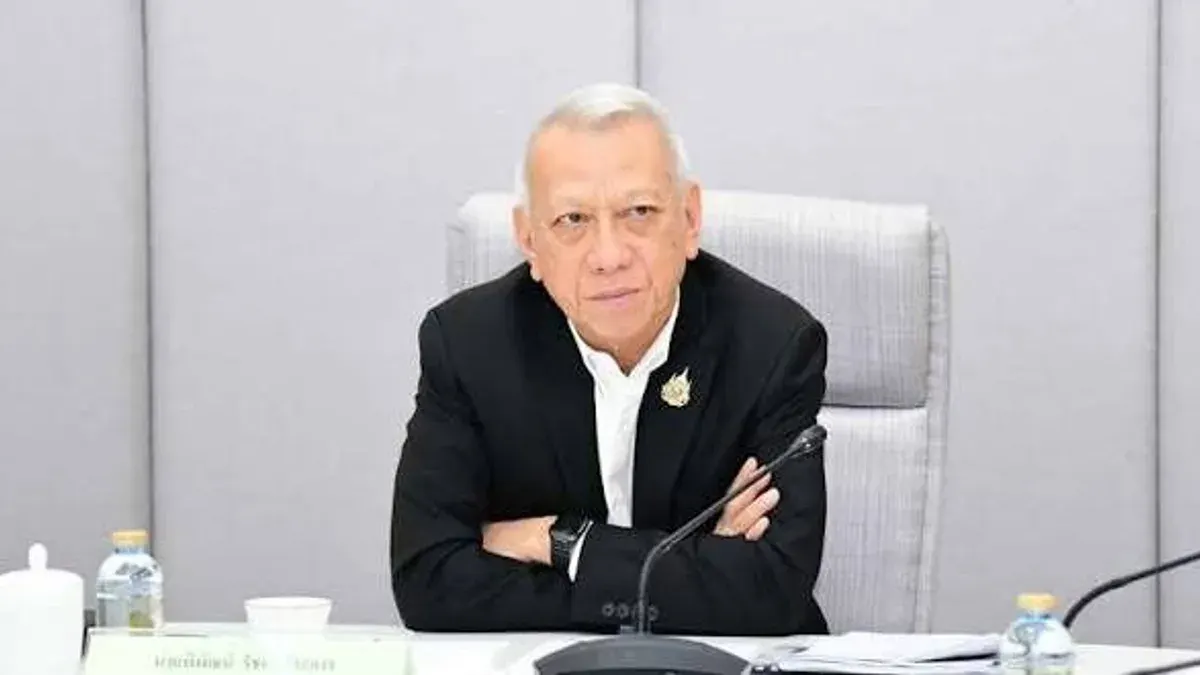
Deputy Prime Minister and Transport Minister Phiphat Ratchakitprakarn disclosed the plans after chairing a meeting of ministry executives at Udon Thani Airport on November 2, 2026. The Ministry of Transport is accelerating infrastructure development in the Northeast, particularly the five upper Isan provinces, with 78 projects totaling more than 327 billion baht spanning road, rail, water, and air transport to enhance travel efficiency, reduce logistics costs, and support cross-border trade and tourism.
Future network development will position rail as the backbone for both passenger and freight transport, while roads will serve as feeder networks within 150 kilometers to channel passengers and cargo into the rail system, with seamless links to water and air transport. This supports Thailand's push to become a regional transport and logistics hub.
A key project is the 167-kilometer Khon Kaen–Nong Khai dual-track railway, slated to open in 2028, alongside accelerated development of the Nakhon Ratchasima–Ubon Ratchathani and Ban Phai–Nakhon Phanom lines. This coincides with expanding main highways to four lanes and developing provincial and border connecting roads, with the goal of extending dual-track rail coverage nationwide by 2033–2034.
Beyond infrastructure, Phiphat emphasized safety and travel convenience, directing agencies to coordinate with highway police, border patrol police, and tourist police on traffic management for the Loy Krathong, New Year, and Chinese New Year festivals, focusing on routes to major tourist sites and enforcing speed limits to reduce accidents. Airlines are also being coordinated with to keep fares and charter flights at reasonable levels during peak periods, easing the burden on the public and promoting tourism.
The ministry will integrate all agencies to drive projects on schedule, ensuring infrastructure development proceeds hand-in-hand with safety measures so the public can travel and transport goods more conveniently, at lower cost, creating long-term economic opportunities for the Northeast and the country.