Cabinet to Review 78 Billion Baht Upper Isan Development Plan
A joint public-private committee has proposed 170 development projects worth 78.5 billion baht for Thailand's Upper Northeastern region, covering agriculture, border trade, tourism, and drug suppression. The package will be considered at a mobile Cabinet meeting in Udon Thani on November 3, with the largest share allocated to border trade infrastructure and the most projects targeting tourism.
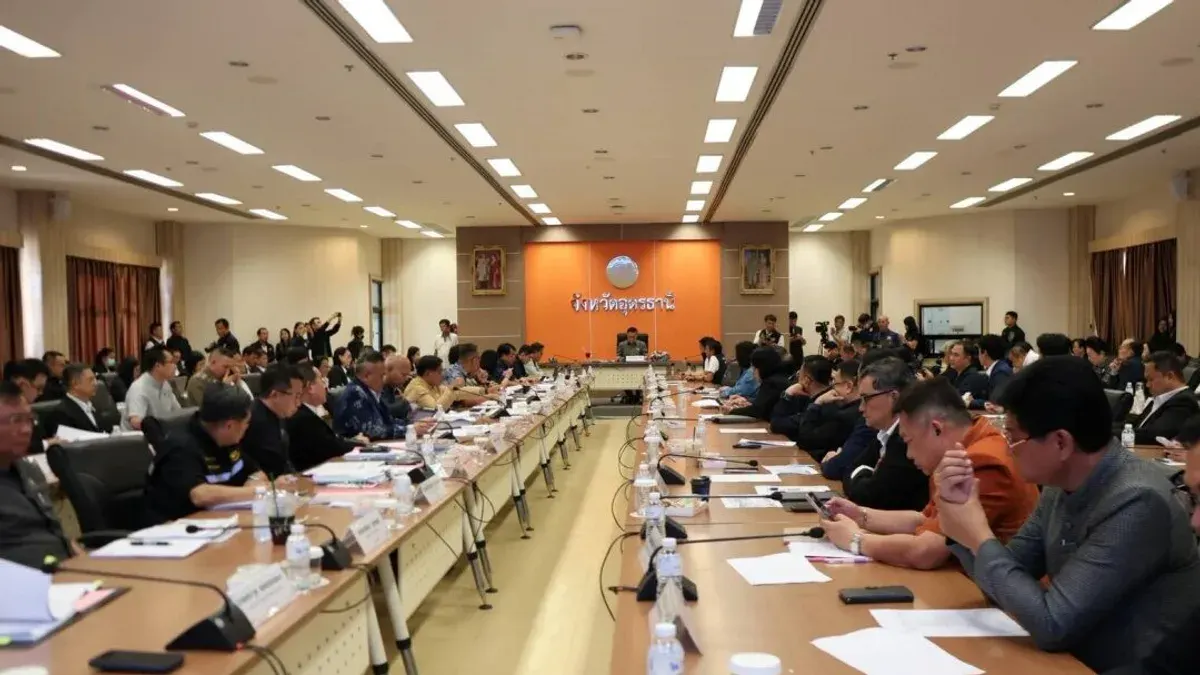
The Joint Public-Private Committee for Economic Development and Problem Solving (Khor Or) for the Upper Northeastern province group — comprising Udon Thani, Bueng Kan, Loei, Nong Khai, and Nong Bua Lamphu — met on November 1, 2026, chaired by Deputy Prime Minister Songsak Thongsri. The meeting considered 170 policy proposals totaling over 78.461 billion baht across four areas: agriculture and food, border trade, tourism, and drug suppression. The Office of the National Economic and Social Development Council (NESDC) will compile the proposals for the official mobile Cabinet meeting in Udon Thani on November 3.
Of the 170 projects worth over 78.461 billion baht, agriculture and food accounts for 38 projects at over 7.956 billion baht; border trade development has 35 projects at over 57.578 billion baht, the largest share at roughly three-quarters of the total; tourism promotion has 66 projects at over 9.887 billion baht, the highest project count; and drug suppression has 31 projects at over 3.039 billion baht. There are 101 quick-win projects ready for immediate implementation worth over 2.879 billion baht, and 69 long-term projects worth over 75.582 billion baht.
By area, the inter-provincial group receives the highest allocation at over 35.064 billion baht, followed by Bueng Kan at over 17.334 billion, Loei at over 10.137 billion, Nong Khai at over 8.334 billion, Udon Thani at over 5.887 billion, and Nong Bua Lamphu at over 1.702 billion.
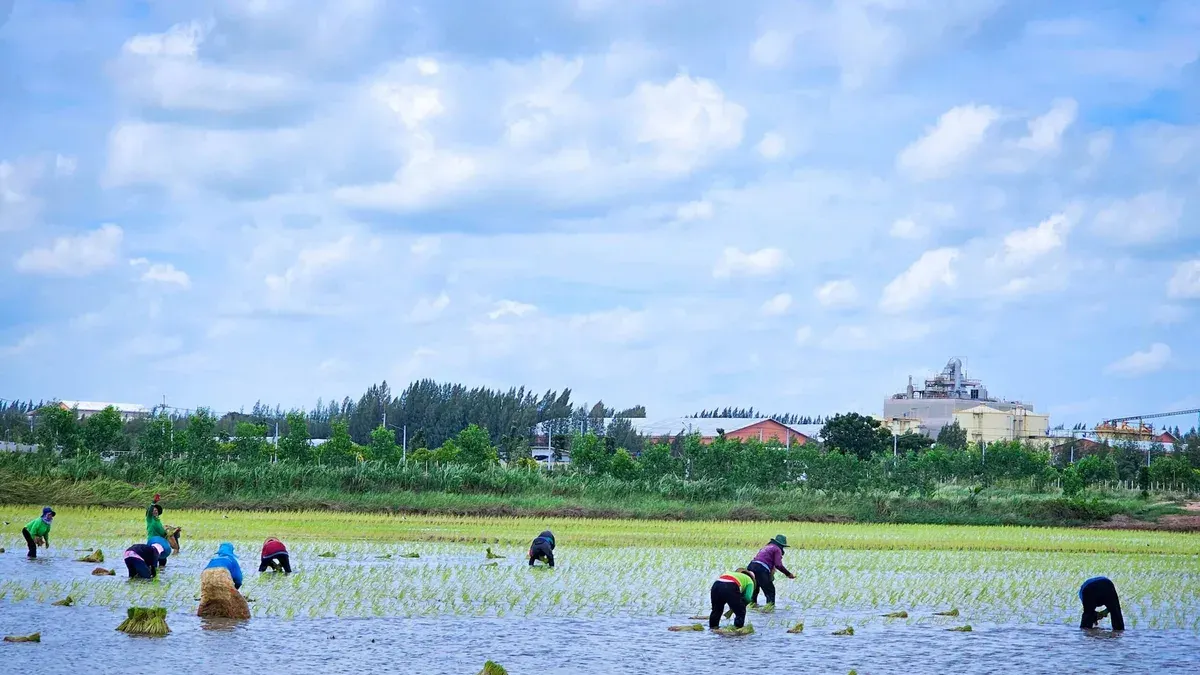
Deputy Prime Minister Songsak Thongsri said the approach focuses on each area's potential through four key frameworks: food security and agriculture, border trade, tourism, and drug suppression. Once the meeting reaches conclusions, all data will go to NESDC for the mobile Cabinet meeting. "Driving the agricultural sector is a key agenda item under the Prime Minister's policy because most of the country's basic structure and land area is agricultural. Thailand has very high potential to become the world's kitchen, especially spices and Thai food ingredients that can create diverse flavors, meeting the needs of both Thai and foreign consumers with distinct identity," Songsak said.
NESDC Secretary-General Danucha Pichayanan said the council emphasizes selecting issues and projects matching each area's economic potential. The target areas have high potential in agricultural and food products, which the government links to food security concepts and considers a crucial economic opportunity for Thailand. The approach will focus on increasing efficiency and yields on existing farmland, then upgrading to high-value agro-food, requiring establishment and use of laboratories to test safety standards. This builds confidence in processed agricultural products, alongside developing the border economy through infrastructure and cross-border bridges to sustainably raise border residents' incomes.