Cabinet Approves Chinese Funding for Battery and Solar Panel Recycling
The Thai Cabinet approved a $375,900 Chinese grant for two Mekong-Lancang projects on battery and solar panel recycling and net-zero industrial transition.
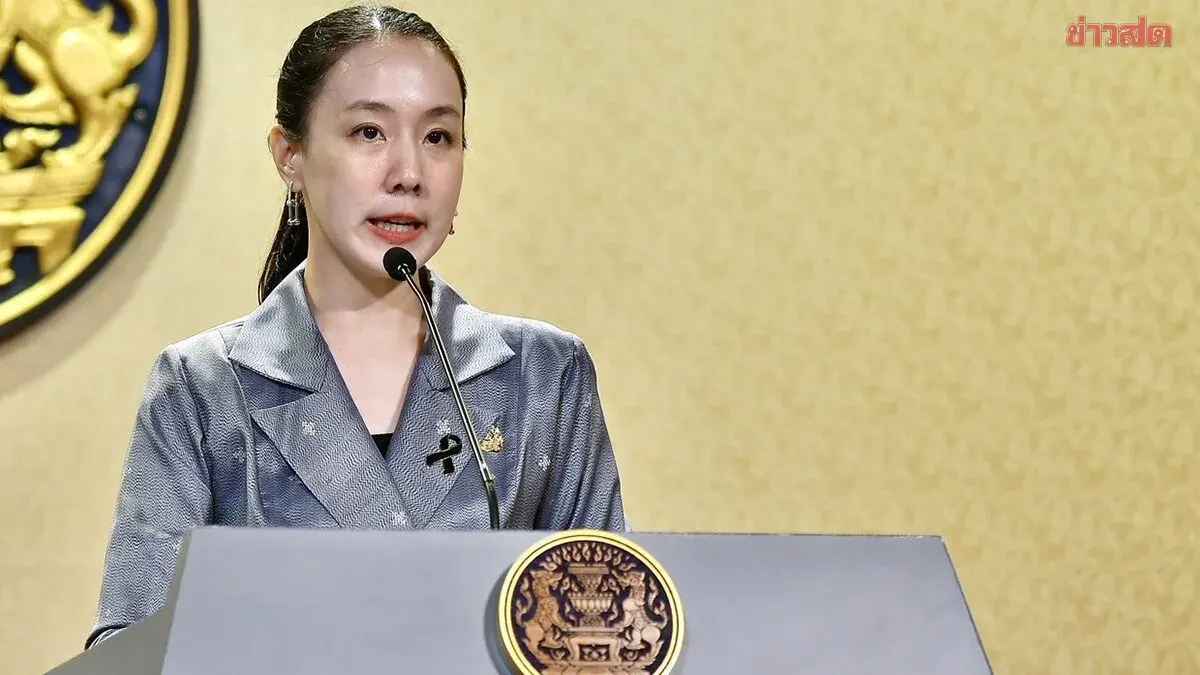
On October 27, 2026, Lalida Periswattana, Deputy Spokesperson for the Prime Minister's Office, revealed that the government is expanding cooperation with the People's Republic of China to elevate Thailand's industrial sector toward a green economy and sustainable development. The Cabinet approved a draft agreement on project cooperation under the 2025 Mekong-Lancang Cooperation Special Fund between the Ministry of Industry and the Chinese Embassy in Thailand. It also authorized the Ministry of Industry's Permanent Secretary or a designee to sign the agreement to receive Chinese grant funding totaling $375,900 for two green industry and low-carbon economy projects.
Lalida stated the cooperation is part of the Mekong-Lancang Cooperation Special Fund (MLCSF), which supports capacity development and cooperation among member countries in the subregion. The Ministry of Industry secured funding for two key projects:
First, the Capacity Building for Recycle Industry to Support Circular Economy and Green Industry among Mekong-Lancang and China project, implemented by the Office of Industrial Economics over 18 months with a budget of $132,900 (not exceeding 983,500 yuan). It aims to explore and enhance the capacity of Mekong-Lancang countries to manage and recycle electric vehicle batteries, solar panels, and electronic waste efficiently, while developing regulatory frameworks and policy guidelines to support resource efficiency, reduce environmental impact, and promote regional recycling industry development.
Second, the Pathway to Net Zero: Empowering CLMVT Industries for a Low-Carbon Future project, implemented by the ISO Certification Institute over 18 months with a budget of $243,000 (not exceeding 1,798,200 yuan). It aims to equip industries in CLMVT countries — Cambodia, Laos, Myanmar, Vietnam, and Thailand — with the knowledge, tools, and resources needed to transition manufacturing processes toward net-zero emissions, promote sustainable production approaches, develop policy frameworks, and foster international cooperation to enhance industrial capacity in meeting environmental requirements and international climate goals.
Lalida said both projects will strengthen Thailand's industrial readiness during the transition to a low-carbon economy, particularly in managing waste from modern industries such as electric vehicle batteries, solar panels, and electronic devices, which are increasing with the expansion of clean energy technology. Developing recycling knowledge and appropriate regulatory systems will help increase material recovery opportunities, reduce waste volumes, and create a foundation for sustainable recycling industry development.