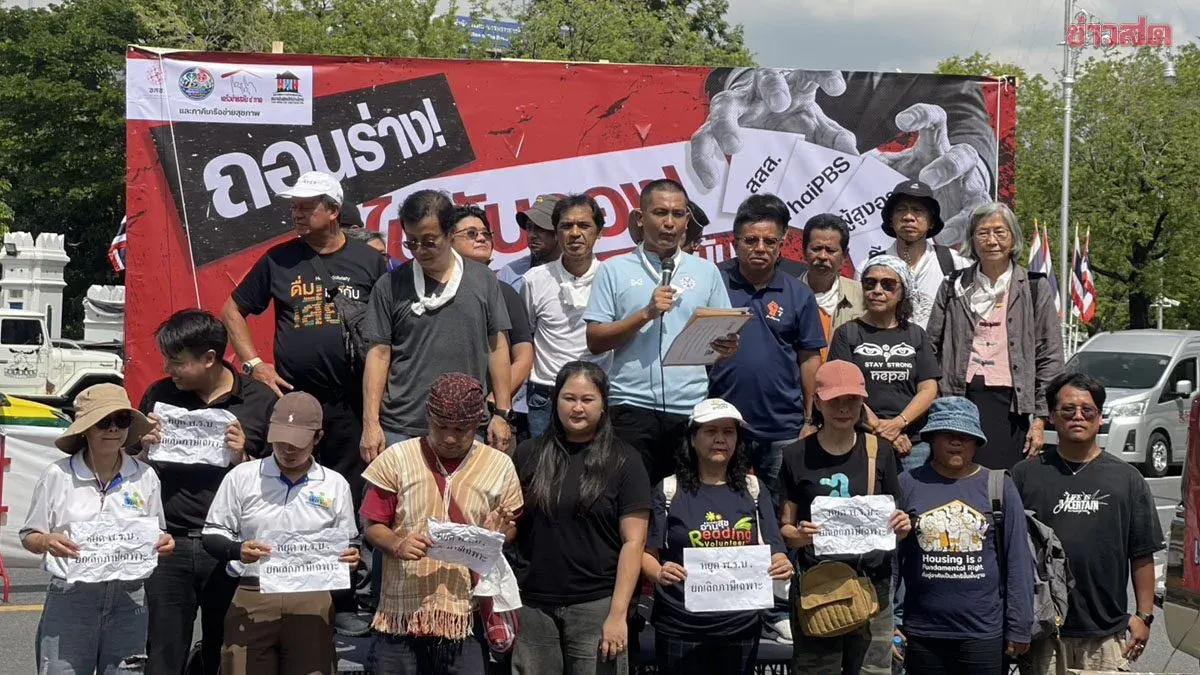
DDC Orders Two-Year Health Monitoring After Prachinburi Chemical Leak
The article states that the DDC (Department of Disease Control) has ordered a two-year health monitoring system for at-risk groups in Prachinburi province following a chemical leak from an industrial waste pond. 116 villagers have shown sym
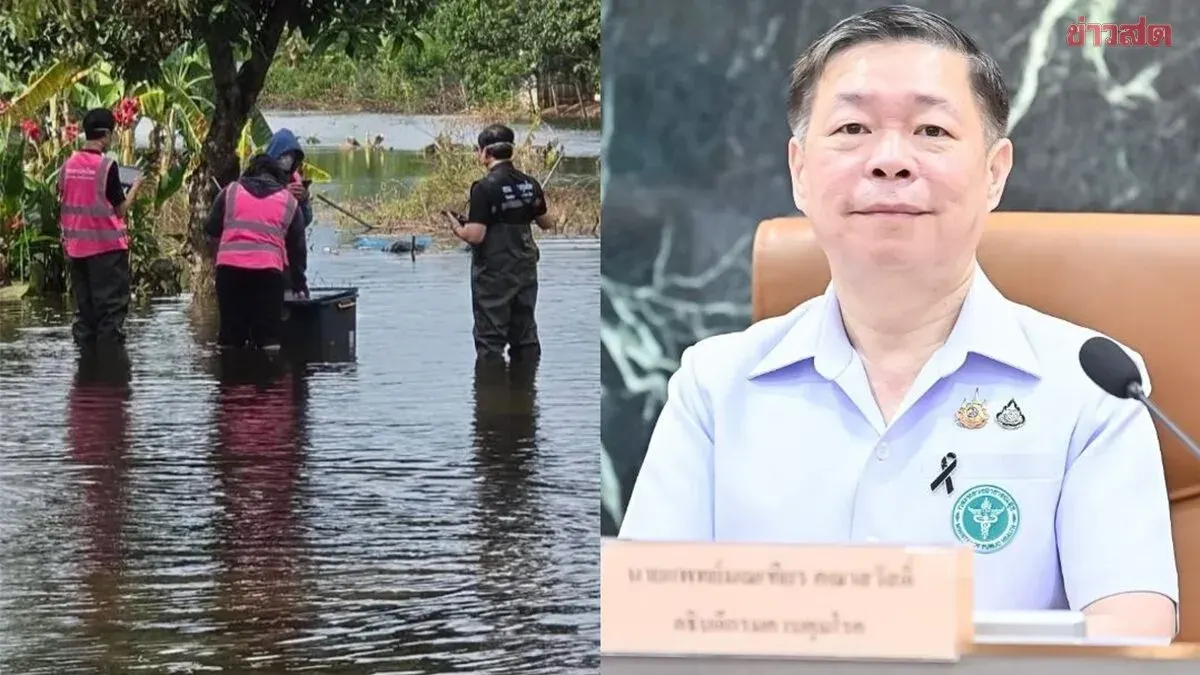
The Department of Disease Control (DDC) is preparing to handle chemical contamination from floodwater and leachate leaking from an industrial waste pond in Prachinburi province, where 116 villagers have exhibited symptoms, ordering a continuous two-year health monitoring system for at-risk groups.
On October 27, 2026, Dr. Thongchai Keeratihuttayakorn, Director-General of the DDC, stated that following the flood situation and the leachate incident from the industrial waste pond in Prachinburi, the DDC has established an Emergency Operations Center (EOC) for the flood and leachate event. This aims to set up a proactive and reactive long-term health surveillance system alongside primary care units, Srimahosot Hospital, Srimahapho Hospital, and Chaophraya Abhaibhubejhr Hospital. The health of at-risk groups will be monitored continuously for at least two years, with medical teams, diagnostic systems, and referral pathways readied to promptly treat anyone showing abnormal symptoms.
Dr. Anuk Mungomklang, Deputy Director-General of the DDC, said the DDC deployed field teams with local agencies to conduct health screenings and proactive risk assessments for residents within a 2–7 kilometer radius of the suspected contamination source from October 6–16, 2026. Urine and blood samples were collected to analyze contaminants in the body. From the health screening analysis using interviews with residents potentially exposed to chemicals through floodwater, a total of 613 people have been screened to date: 497 asymptomatic and 116 symptomatic. Most symptoms are skin-related, such as itchy rashes, red rashes, and clear blisters, likely resulting from prolonged contact with contaminated water.
The DDC urges residents in at-risk areas to avoid contact with water and sediment that may contain chemicals. If wading through water is necessary, wear boots and appropriate protective gear, and cover any wounds securely. After contact with water, wash the body with clean water and change clothes immediately. Do not consume aquatic animals or agricultural produce from potentially contaminated areas until relevant agencies confirm safety. Do not use suspected contaminated water for bathing or cooking. If experiencing abnormal symptoms — especially eye irritation, dizziness, or nausea — seek medical evaluation immediately and inform the doctor of any exposure to water or chemicals for proper diagnosis and care. For more information, call the DDC hotline at 1422.