Thawi Challenges Speaker's Curbs on Parliamentary Committee Powers
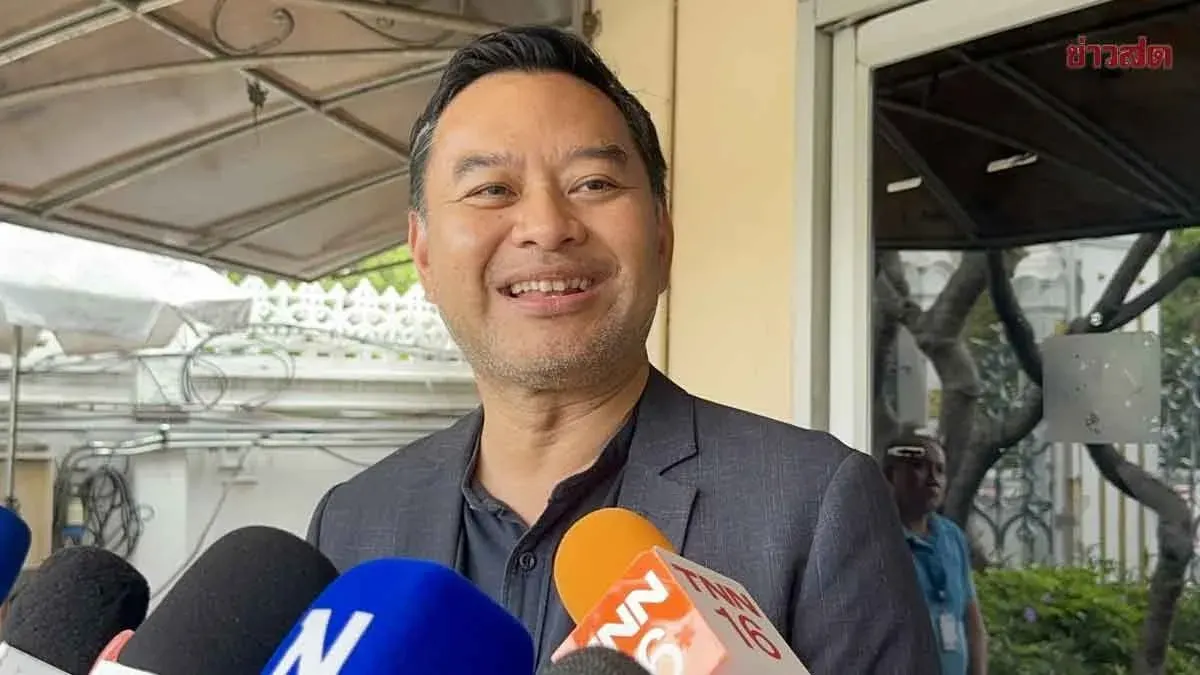
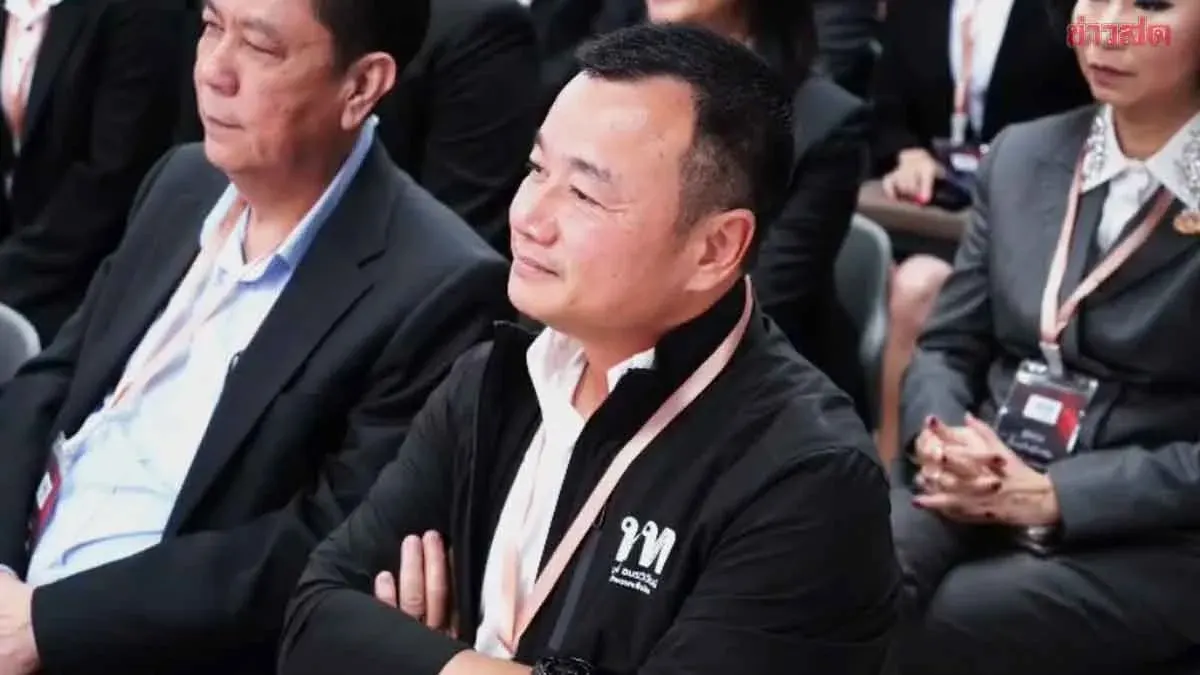
PraChachat Party leader Pol. Lt. Gen. Thawi Sodsong has condemned a House Speaker circular that restricts parliamentary committee powers, calling it a threat to constitutional oversight. He cited major investigations into exam fraud, an MP assassination attempt, and environmental crimes as proof of the committees' value, and warned the move may violate the Constitution and face a court challenge.
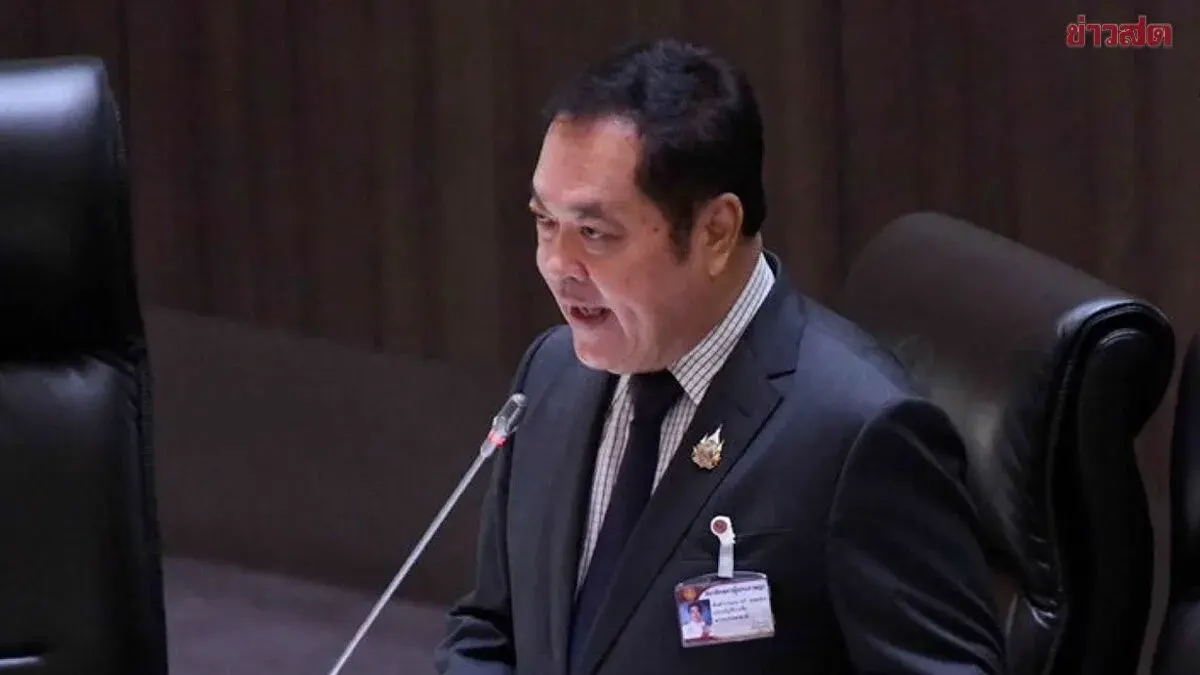
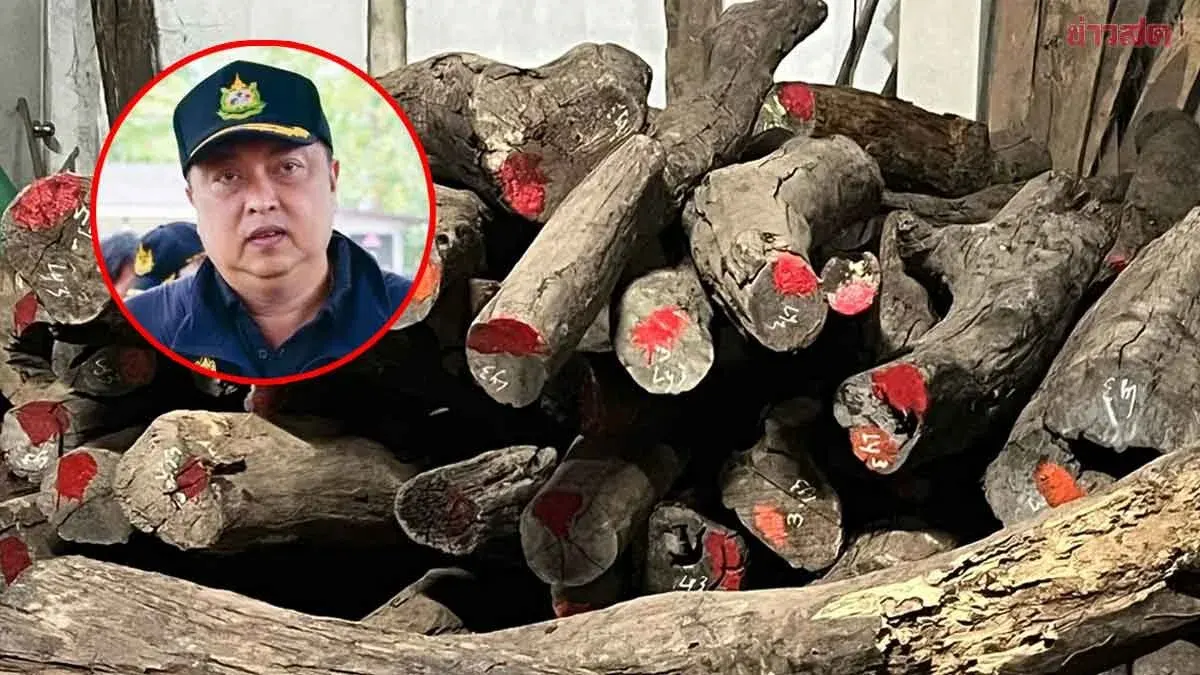
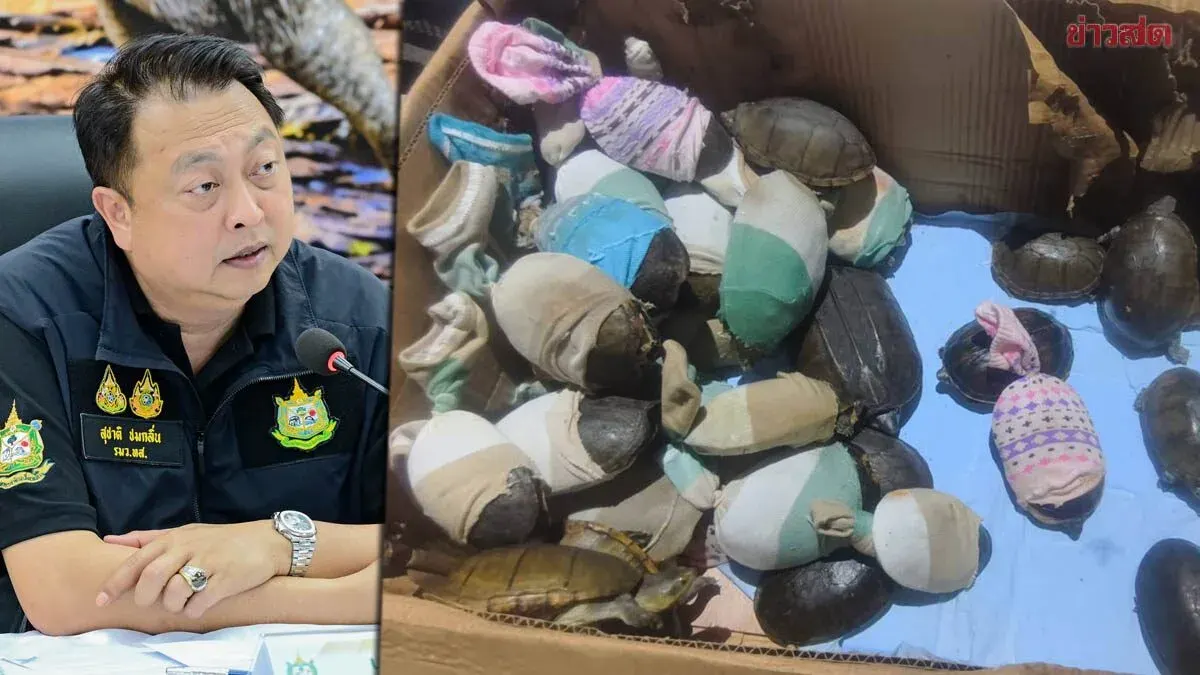
On November 6, 2026, Pol. Lt. Gen. Thawi Sodsong, a party-list MP and leader of the Prachachat Party, who chairs the House Legal Affairs Committee, addressed a circular from the House Speaker that limits the authority of parliamentary committees. The circular requires committee meetings to approve agendas and the summoning of individuals for clarification. Thawi insisted that committee work is a constitutional duty to investigate corruption and complaints. He highlighted past achievements, including the investigation into local exam cheating — where the committee pursued the 'Ai Mong' case, exposing a major national fraud scandal — and the probe into the attempted assassination of Narathiwat MP Malasakdi Lewame, which uncovered involvement of a police colonel and the use of state-issued firearms. He also noted committee oversight of forest land disputes, human rights issues, and toxic waste cases, all conducted under constitutional mechanisms. Thawi argued that the real question is what benefit the public gains from curbing committee oversight. He said only those intent on corruption or misconduct would be upset by such investigations. He added that officials summoned for questioning often welcome the scrutiny because it shows the committee is watching, which helps prevent corruption. Thawi proposed a public poll on whether committees should continue their work and whether the 35 House committees are satisfied with their performance. He warned that the Speaker's order may conflict with Section 129 of the Constitution, which defines committee powers and duties, including the power to summon individuals, and that continued enforcement could lead to a Constitutional Court challenge.