Health Warning: Four Diseases Linked to Improper Pla Ra Consumption
Health experts warn that improper consumption of pla ra, a traditional Thai fermented fish product, can lead to four serious conditions: liver fluke infection, bile duct cancer, beriberi from vitamin B1 deficiency, and long-term kidney disease due to high sodium. While pla ra offers nutritional benefits like probiotics, calcium, and omega-3, authorities stress it must always be thoroughly cooked and eaten in moderation to avoid health risks.
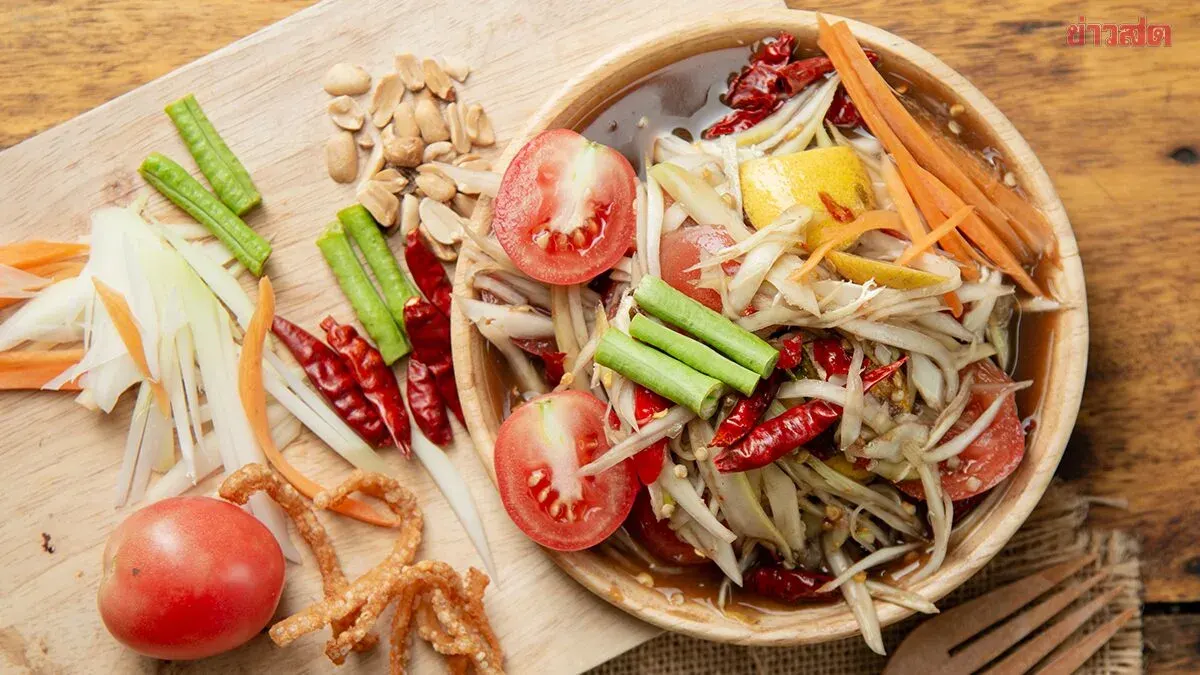
Spicy food lovers should not overlook pla ra, a distinctive food and seasoning native to Thailand's Isaan region. Born from local wisdom preserving fish with salt and rice bran, it is also a staple for those who love spicy flavors. Pla ra is commonly used in dishes such as som tam and mushroom curry, but few realize this food can be dangerous if not prepared correctly, posing risks of several diseases.
Improper consumption of pla ra may risk four conditions:
Liver fluke infection: A parasite living in the bile ducts of humans, dogs, and cats. Transmission occurs from eating raw freshwater fish or pla ra that has not been heated. The flat, leaf-shaped parasite measures 5-10 millimeters. Infected people may experience right upper abdominal pain, epigastric pain, loss of appetite, bloating, enlarged liver, and low-grade fever. If left untreated until severe, it can cause bile duct obstruction, jaundice, ascites, weight loss, and risk of death.
Cholangiocarcinoma (bile duct cancer): Chronic liver fluke infection over long periods may increase the risk of bile duct cancer, as this parasite is classified as a human carcinogen by the World Health Organization (WHO). Additionally, raw pla ra may contain nitrosamines, substances also linked to cancer.
Muscle weakness and beriberi symptoms: Vitamin B1 deficiency can cause beriberi, leading to muscle weakness, numbness in hands and feet, and swelling. One cause is consuming foods low in vitamin B1 or foods that destroy this vitamin, such as raw freshwater fish, raw shellfish, pla ra, raw som pla, and raw naem.
Kidney disease: Although pla ra contains protein and nutrients like phosphorus, calcium, and vitamin B1, it has high sodium from the salt used in fermentation. Cooking it with other seasonings may lead to excessive sodium intake. Regular consumption may increase the risk of high blood pressure and kidney disease over time.
Benefits of pla ra:
- Contains beneficial microorganisms - High calcium, supporting bone mass - High protein; long fermentation breaks protein down for easier absorption - Vitamins A, B1, and B2 - Iron, which helps nourish the heart - Probiotics, improving digestive health - Good fatty acids including omega-3, which can help reduce blood fat blockage
Correct ways to consume:
- Always boil both the pla ra flesh and liquid until fully cooked before eating - Limit the amount of pla ra and its liquid to prevent excessive sodium intake - Maintain pet health (dogs and cats) as they can spread liver fluke; feed them properly cooked food - Eat pla ra with a variety of vegetables to enhance nutritional value - Use pla ra in cooked dishes or processed menus such as pla ra bong and minced pla ra, ensuring they are cooked before consumption
Source: TrueID Compiled by Thairath Online news team