Nan Residents Demand Probe Into Facebook Page Insulting Tourists
Nan residents demand police investigate a Facebook page that insulted tourists and posted AI-generated images, fearing damage to the province's tourism reputation.
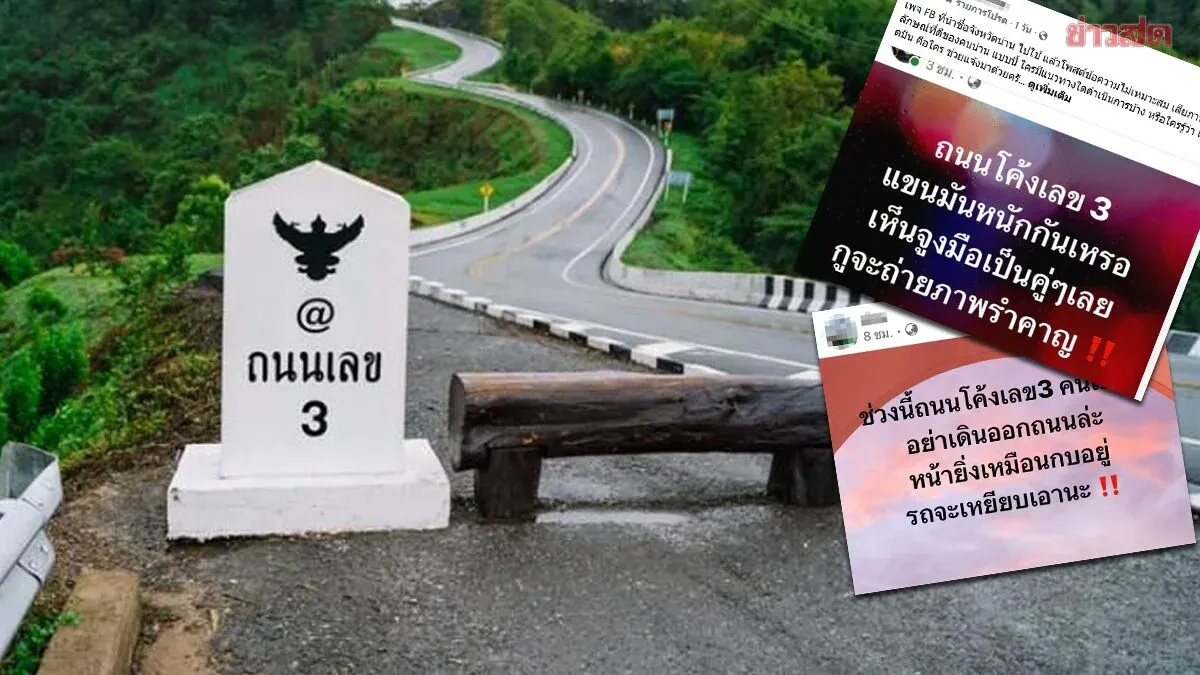
Nan residents have reached a breaking point and are urging police and provincial authorities to urgently investigate a popular Facebook page that posted abusive and insulting comments about tourists visiting various attractions in Nan province, fearing damage to the province's reputation and tourism industry.
The backlash from Nan locals calls on the province, police, and relevant agencies to investigate a specific Facebook page after it posted insults directed at tourists traveling to Nan destinations, worrying about the impact on the province's reputation, especially tourism, which harms the entire province.
This has become a major topic of criticism among Nan residents, who demand an investigation into a Facebook page that posted insults toward tourists visiting Nan locations, including: "Are the curves on Highway 3 too heavy for you? I see you holding hands in pairs, I'll photograph and harass you!" "Bangkok drivers, learn to use turn signals, or we Nan people will teach you." "Highway 3 is crowded right now, don't walk on the road, your face looks like a frog, cars will run you over."
Additionally, the page created images of Nan locations using AI technology and posted them, causing misunderstandings. Nan residents believe the messages and information may not reflect the truth and severely impact the province's image, particularly tourism.
There are also demands for accountability from the page administrators, as Nan's image is not created by any single individual or agency but results from cooperation among citizens, tourism operators, tourism businesses, communities, and various agencies working together to preserve culture, develop tourist attractions, and build continuous tourist confidence.
If content is disseminated without fact-checking or aims to create viral trends causing public misunderstanding, it risks widespread damage — not only affecting the province's reputation but also the confidence of tourists and related operators. Therefore, demands have been made to Nan province, police officers, and authorized agencies to investigate the page based on facts and take legal action or follow relevant guidelines.
If illegal actions are found, measures should prevent harm to the public and the province's image by considering content that violates the law — not merely due to differing opinions — because the province's reputation is the pride of all its people. Online media use must come with responsibility, truth, and consideration for the broader impact.