Chart Pattana Leader Urges Govt to Activate National Security Crisis Plans
Chart Pattana Party leader Pol. Lt. Col. Thawi Sodsong urged the government to activate existing National Security Council emergency plans and prepare the public for crises, emphasizing self-reliance for the first 72 hours. He warned that central aid often arrives too late in southern border provinces, so household and local readiness is essential for war, natural disasters, cyber attacks, or infrastructure failures.

"Not to cause panic, but to survive!" Pol. Lt. Col. Thawi presses government to dust off NSC emergency plans for security and war threats — central authorities cannot respond in time.
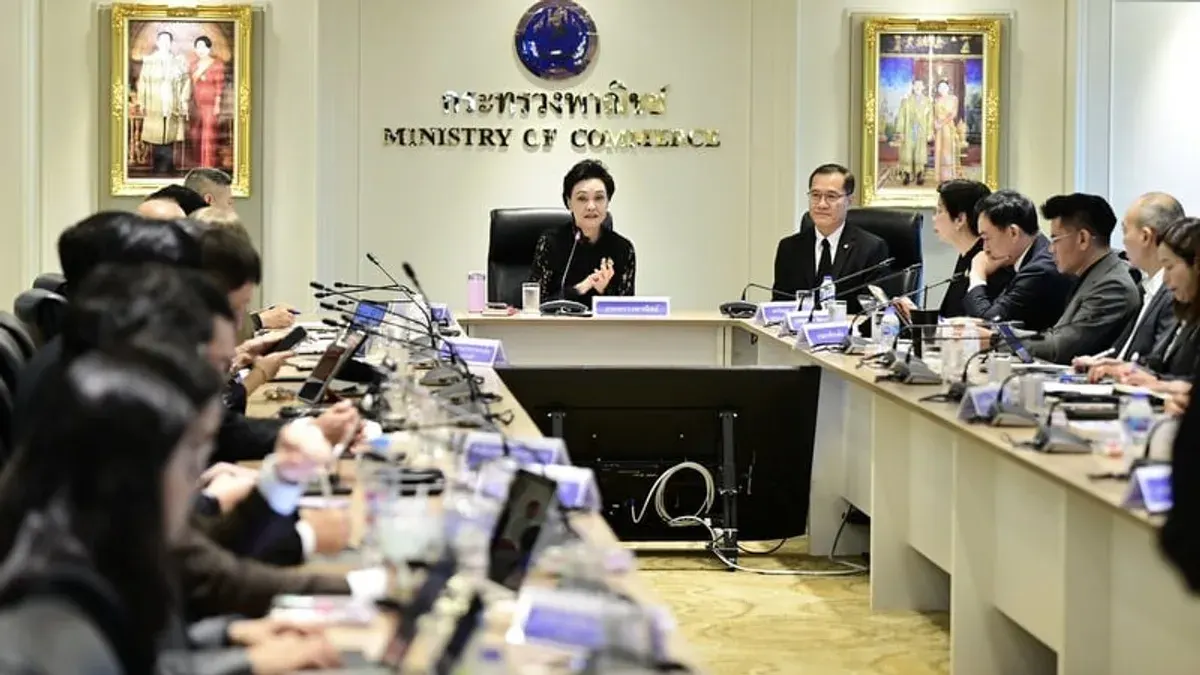
November 2, 2026 — Pol. Lt. Col. Thawi Sodsong, party-list MP and Chart Pattana Party leader, in his capacity as former justice minister, together with party executives including Warat Makudi, deputy party leader; Kamol Sak Leewamo, Narathiwat District 5 MP and chair of the House Committee on Law, Justice and Human Rights; Kuhaeng Yawa-asan, former permanent secretary of the Justice Ministry; and others, jointly expressed concern for the safety of people in southern border provinces amid alerts and vigilance over war and unrest at the global level.
Pol. Lt. Col. Thawi revealed guidelines for emergency preparedness, stating Thailand already has a security framework, especially NSC plans prepared since his time as minister. However, when warning signals appear, the government must put those plans into action and ready the public in a concrete manner, just as many countries conduct drills for the first 72 hours of a crisis.
The party leader said "war hazard" in the current context is not limited to armed conflict but also covers natural disasters, cyber threats, or critical crises such as nationwide utility or power outages. Such preparation is not about creating panic but proactive risk management.
"In the southern border provinces we face risks from hazards we haven't always anticipated. Lessons from past disasters show clearly that when an event occurs, people lack both food and basic necessities, and central government aid often fails to arrive quickly enough. Therefore, the most important thing is to build capacity at the household, local, and provincial levels so they can manage and survive on their own for at least the first 72 hours," Pol. Lt. Col. Thawi said.
He concluded that localities must be equipped with readiness tools and there must be clear communication so households know what to do when a real crisis hits. The government should show urgency and give clear answers on turning NSC security plans into practice on the ground, rather than leaving a vacuum or having no answer when questioned by society.