NSC Prepares for Global Threats, No Public Stockpile Order Yet
The user wants a short summary of the article for a news website about Ko Lanta and Southern Thailand. The article is about Thailand's National Security Council (NSC) preparing for global threats but not yet ordering public stockpiling. Key
Thailand's National Security Council (NSC) has begun addressing global instability that has prompted dozens of countries to advise citizens to stockpile food, water, medicine, and energy supplies at home for three to seven days, with some recommending up to 14 days. Many nations in Europe and Asia issued these measures days ago, prompting questions about whether Thailand should do the same. The NSC has now convened preparatory meetings. However, Thailand has not yet ordered the public to prepare for self-reliance; measures remain at the government level, such as securing energy and fuel reserves.
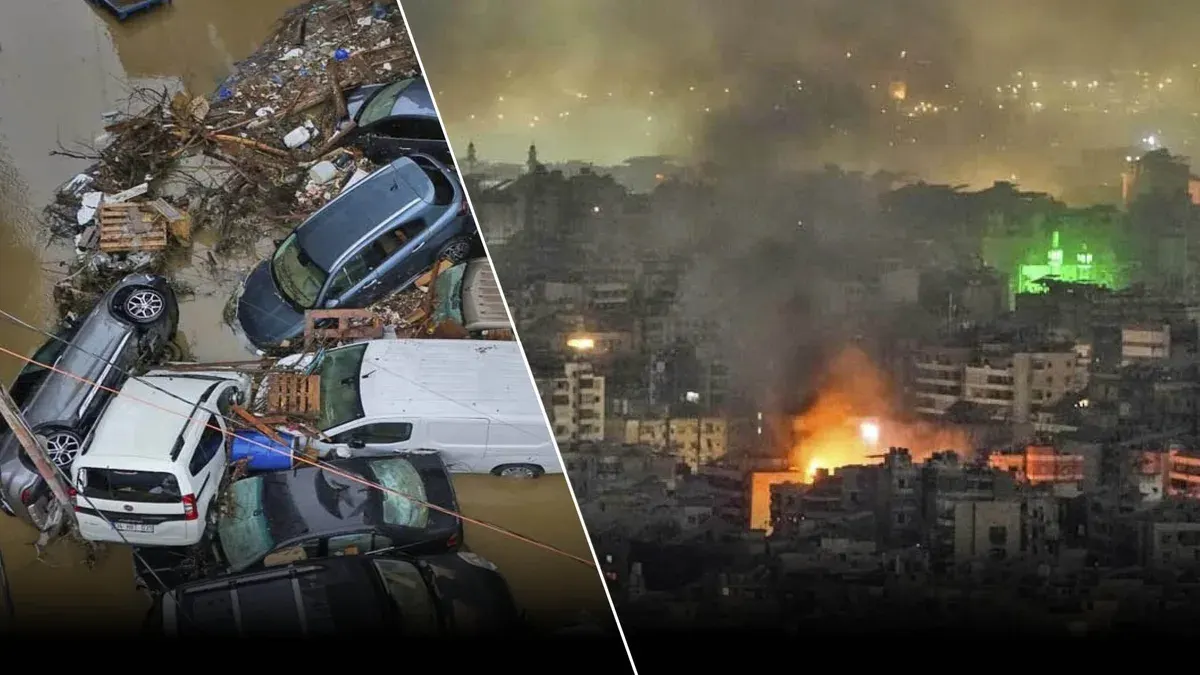
The root causes are three severe global threats: warfare, cyber attacks, and extreme natural disasters. Notably, U.S.-Iran tensions are nearing a major war, with conflict expanding in the Middle East. Cyber threats and internet sabotage could disrupt global communications, mobile networks, and financial transactions. On the natural disaster front, a Super El Niño is expected late this year, bringing extreme heat, severe drought, storms, massive floods, earthquakes, and volcanic eruptions. These three catastrophic scenarios are driving global preparedness efforts.
Response measures emphasize household self-sufficiency: citizens must be ready with food security, drinking water, medicine, backup power, flashlights, batteries, and cash in case the internet goes down. Every household must be able to sustain itself for three days to one to two weeks, as state agencies may not reach everyone quickly in a catastrophic event. The world recently endured a similar global crisis during the COVID-19 pandemic (2019-2022), which halted travel, closed businesses, and forced prolonged home isolation. That experience makes today's preparedness measures understandable: when crisis hits, self-reliance is essential.
Last year's massive European power outage, which cut internet, halted trains and transport, and froze financial transactions, left many tourists, including Thais, stranded without mobile access and reliant solely on cash. Current trends suggest we may be entering a crisis cycle driven by U.S.-Iran war, cyber attacks, and severe natural disasters. We must prepare for all scenarios: nuclear war, internet blackout, mobile communication failure, extreme drought, or catastrophic flooding. The world has changed dramatically; danger looms on every front. Every individual and family must be ready to survive on their own at any moment.