Chiang Mai Targets Coffee Capital Status, Cuts Burning, Grows Market
Chiang Mai is accelerating its push to become a 'coffee capital' by restructuring highland agriculture to cut burning and PM2.5 pollution, targeting a 40% conversion of unsuitable crops in watershed areas. The plan leverages technology to map farmers above 1,000 meters and focuses on maize-growing zones linked to seasonal haze. With domestic coffee demand far outstripping local production, the province aims to boost high-value coffee output and seedling supply nationwide.
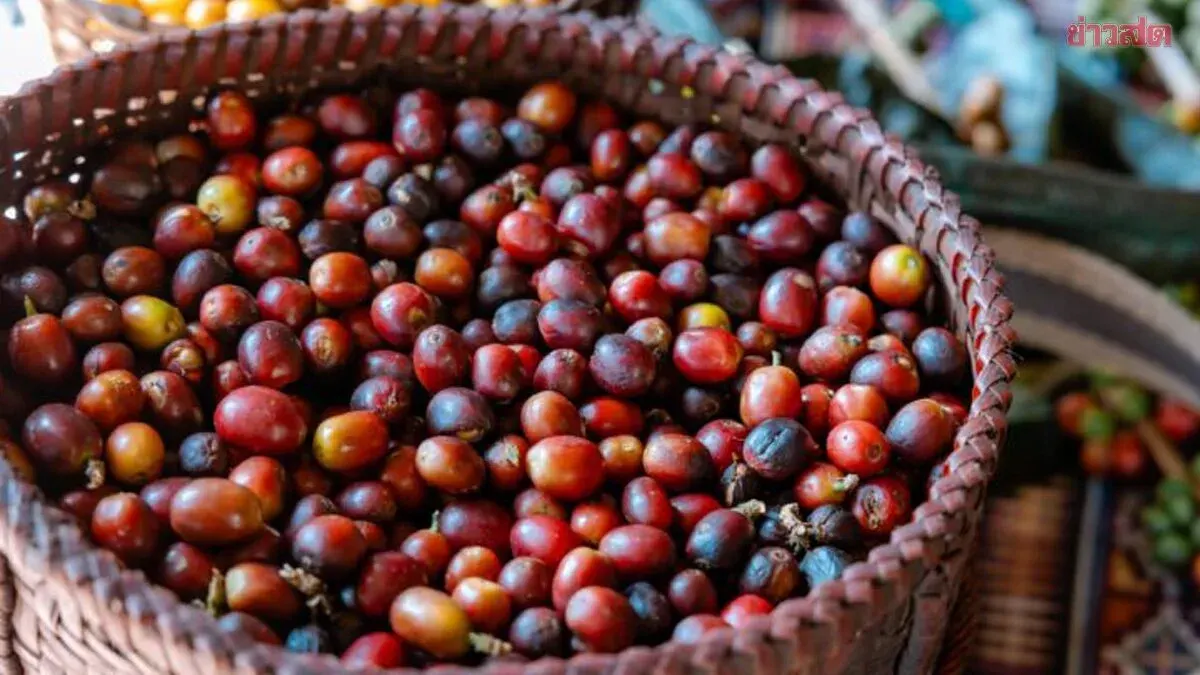
Chiang Mai is pushing to establish itself as a 'coffee capital' by restructuring agriculture, reducing burning, and expanding the domestic coffee market after the Thai coffee market grew over 8.33%. On November 19, 2026, Governor Thasaphol Phueanudom chaired the Chiang Mai Coffee City Development Committee meeting, with Deputy Governor Bunlue Thammarat and relevant agency heads in attendance. Thasaphol stated that promoting coffee cultivation alongside crop rotation is a crucial tool to transform production systems in highland areas, aiming to restructure 40% of crops unsuitable for watershed forests to reduce burning, hotspots, and PM2.5 dust problems. This aligns with the agricultural strategy, one of the province's six clean-air strategies. The province plans to employ technology to survey and create a database of highland farmer groups at elevations above 1,000 meters to understand current cultivation patterns and invite monocrop farmers to join the project, focusing on animal feed maize areas that are key links in the haze problem to ensure plans hit targets in risk areas. This approach aligns with the history of Chiang Mai coffee development, as Professor Emeritus Dr. Pongsak Angkasith noted at the meeting that since 1971 Arabica coffee has been experimentally grown on highlands under royal initiative at seven sites as an alternative economic crop to replace opium and alleviate poverty. However, some areas later switched to maize. Promoting coffee in agroforestry systems is another solution that generates income alongside resource conservation, reducing burning and hotspots. Meechai Amornphatthanakul, President of the Thai Barista Association, said coffee prices are trending higher due to global economic factors and international conflicts. He estimated that in 2026 Thailand's coffee demand is about 166,000 tons per year while production is only around 16,208 tons, requiring over 90% imports. Consistent with 2025 Thai coffee market data valued at approximately 65 billion baht, growing 8.33%, with Thais consuming an average of over 340 cups per person per year, reflecting opportunities to expand the market and elevate domestic production. For Chiang Mai, a project to upgrade high-value coffee production currently covers 14 districts, 445 farmers, on 445 rai. The coffee seedling production plan for 2027–2029 targets over 7 million seedlings nationwide, with Chiang Mai expected to sell 1,937,600 seedlings over three years.