Clean Air Act Advances to Parliament After 7-Year Journey
Thailand's joint parliamentary committee has completed its review of the Clean Air Act after seven years and will submit the draft for a first reading on November 25th, targeting Senate approval by November 30th. The landmark bill establishes clean air as a legal right from birth and addresses seven major pollution sources with inclusive governance, cross-border cooperation, and economic tools designed to balance enforcement with industrial competitiveness.
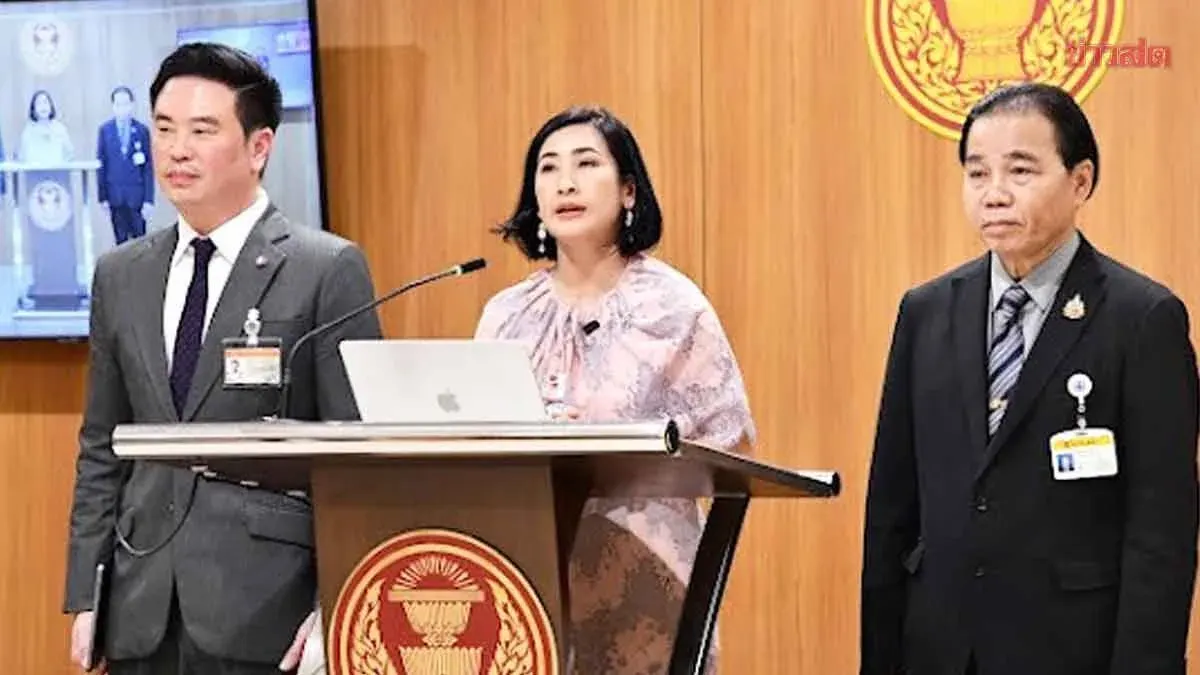
The joint committee confirmed it has finished reviewing the Clean Air Act and will submit the draft to parliament on November 25th, capping a seven-year effort to enact Thailand's first law guaranteeing the right to clean air from the womb. At an 11:40 AM press conference on November 18th at parliament, committee spokesperson Karnthida Liewphairat, a Democrat Party list MP and deputy party leader, said the committee completed its article-by-article review with five major observations: 1) training local officials lacking expertise, 2) ensuring private-sector committee seats include SMEs and direct stakeholders, not just large corporations, 3) harmonizing with related laws especially the PRTR, 4) prioritizing cross-border pollution with the Foreign Ministry working closely with the Natural Resources and Environment Ministry, and 5) designing practical economic tools — including fines, environmental funds, and a clean air fund — that preserve Thailand's industrial investment competitiveness.
Karnthida said the draft will be tabled today (Nov 18) for inclusion on the parliamentary agenda, targeting a first reading by November 25th and Senate passage by November 30th. If both steps succeed, the bill proceeds to royal endorsement and publication in the Royal Gazette. She urged public confidence that the law will be enforceable quickly to protect health.
Deputy committee chair Jakraphan Tangsutthitham called it the closest Thailand has come to a Clean Air Act, noting the bill comprehensively addresses seven major pollution sources and aligns the legal framework, executive implementation, private-sector and academic collaboration. He said the committee's consensus means MPs and senators will receive a clean draft with only observational notes for subordinate legislation. "This law has traveled seven years; it's now at the nearest point to giving Thais their first legal right to breathe clean air from the womb. Once enacted, all ministries, departments, and agencies must adapt, supported by economic instruments like the Environmental Fund and Clean Air Fund to meet WHO air quality standards," Jakraphan said.