Community Drug Treatment Model Transforms Lives in Thailand
A community-based drug treatment program in Nonthaburi Province has transformed Ta Itsai from a high-risk drug zone into a rehabilitation success story by combining faith-based support with systematic treatment and involving all religious c
Many believe that once someone falls into drug addiction, their life is ruined forever. But in Ta Itsai Community in Pak Kret District, Nonthaburi Province, residents are proving that opportunity and community strength can genuinely rehabilitate those who have gone astray.
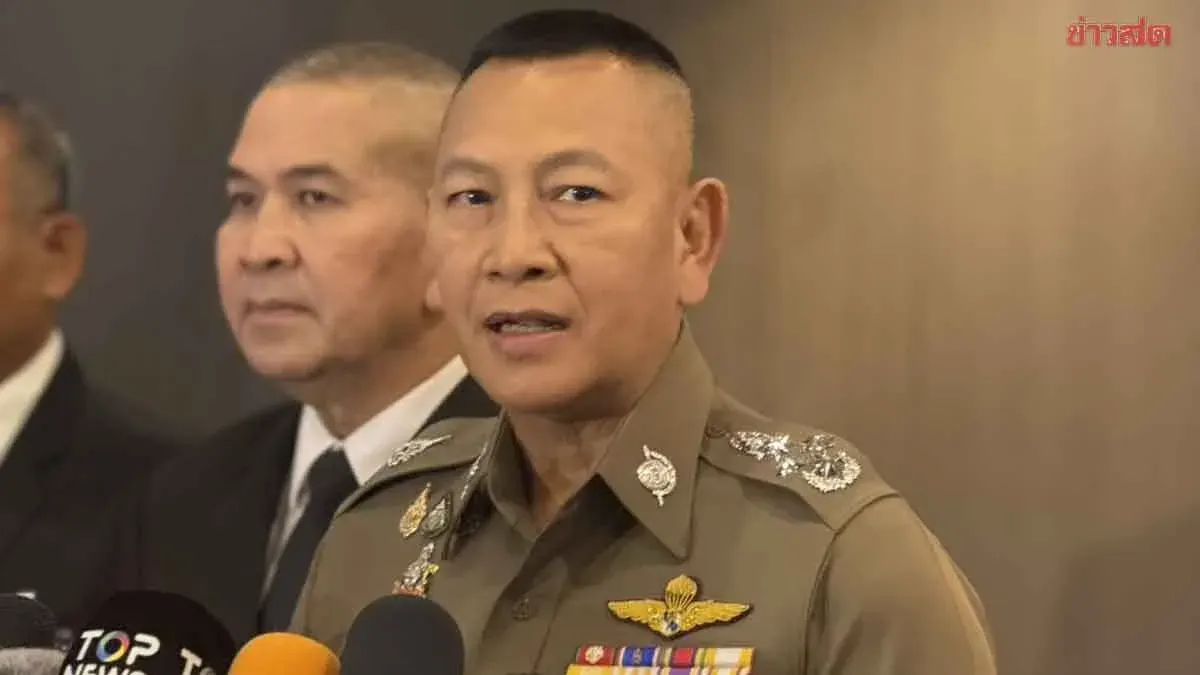
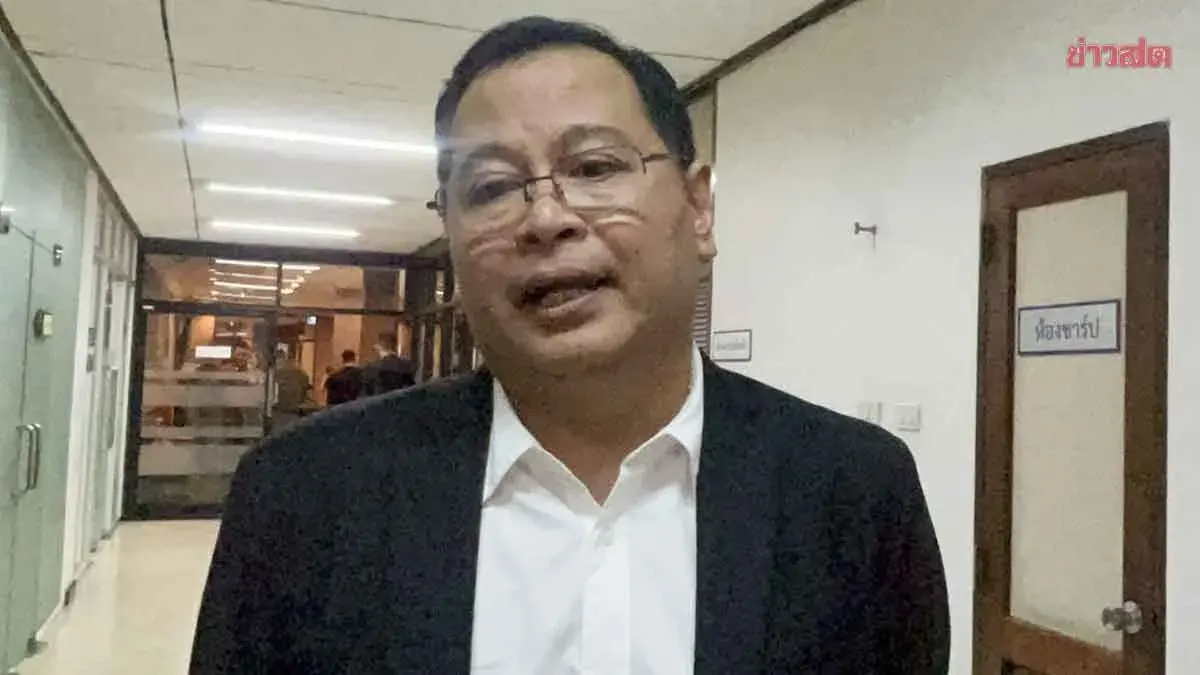
On February 21, 2025, Dr. Jadej Thammadhatchaari, Secretary-General of the National Health Security Office (NHSO), along with Dr. Sarayut Boonchaipanichawattana, Director of the National Institute for the Treatment and Rehabilitation of Drug Addicts (NITRA), and Dr. Somchat Sujitrang, Regional Director of NHSO Zone 4 Saraburi, visited the CBTx Ta Itsai program—a community-based treatment and rehabilitation model for drug users. Local officials including Ta Itsai Municipality Mayor Prida Chueaphudit and Village Head Kasama Ta Itsai presented the community's transformation from a high-risk area into a multicultural harmony zone.
From Red Zone to Multicultural Harmony Village Head Kasama Ta Itsai recalled that in the past, Ta Itsai was a cramped, closed community facing severe drug problems. About 40 percent of residents had fallen into drug addiction, leading to disputes, theft, and domestic violence that created long-standing fear and mistrust.
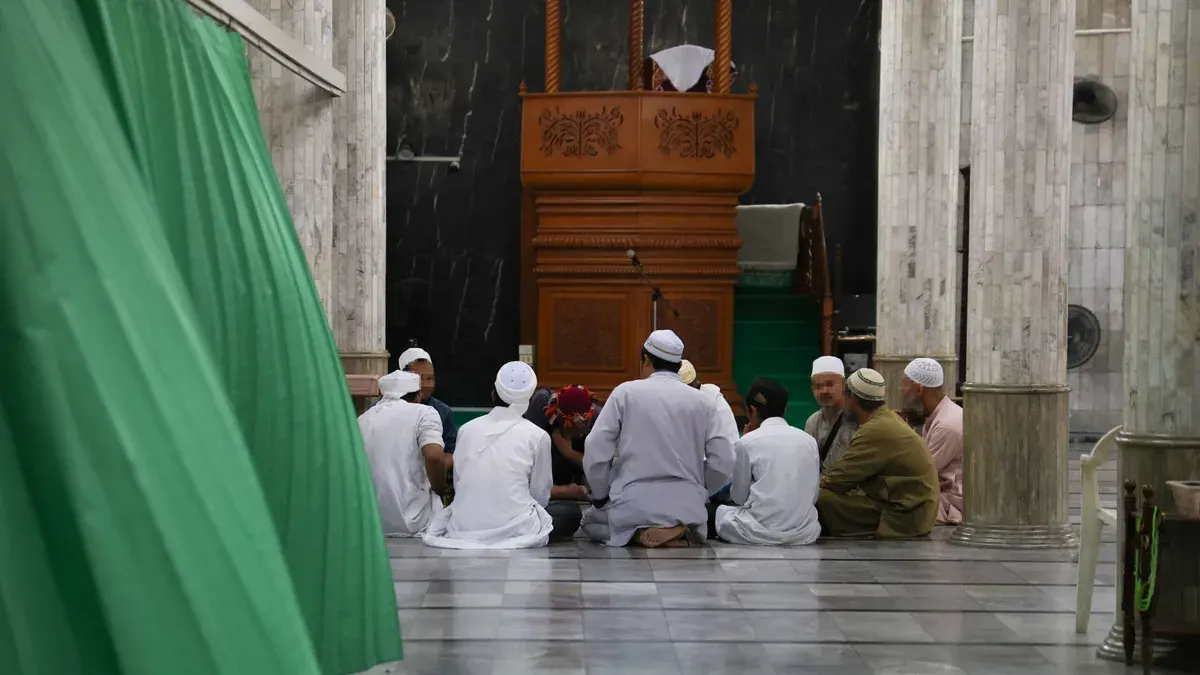
However, Ta Itsai Community has a population of 16,608 people (6,617 households) embracing religious diversity. It includes Muslim communities (Groups 6, 7, 10), Buddhist communities (Groups 1–4), and multicultural Buddhist-Christian-Muslim communities (Groups 5, 8, 9), with four temples, one mosque, and one Christian church as spiritual centers.
This diversity has been refined through the concept of "white multicultural harmony," transforming differences into collective care strength and leaving no one behind. The Ta Itsai Mosque serves as the spearhead and spiritual center connecting family trust with concrete health services and support networks.
Not Just Suppression, But Treatment with Faith and Rehabilitation Through Systems The CBTx Ta Itsai model's distinguishing feature is that it does not turn patients into "outsiders" but instead treats them in their actual communities through two key mechanisms:
Treatment with Faith: Relying on trust, family strength, and religious principles to support the spirit and reduce stigma, creating a safe space for patients to seek help.
Rehabilitation Through Systems: Integrating all sectors from screening and rehabilitation planning to vocational training, home visits, and continuous follow-up through five critical steps: (1) identification and screening, (2) counseling and rehabilitation, (3) family and community care, (4) network coordination, and (5) continuous follow-up.
Dr. Jadej Thammadhatchaari, Secretary-General of NHSO, stated that drug problems cannot be solved by a single agency. Multi-sector integration and support for strong communities is the answer.
"NHSO's important role is to support communities in strengthening their capacity to care for drug patients within the community itself. We provide budget support through the Local Health Security Fund (LHSF) available nationwide so communities can learn to provide care and use their own context to solve drug problems in their communities. Drug problems cannot be solved by any single agency alone; multiple agencies must work together."