Con Artist Poses as Lender, Secretly Records Students in Video Calls
A con artist posing as a lender on social media secretly recorded students during video calls, then distributed explicit footage with personal details to extort victims across Southern Thailand.
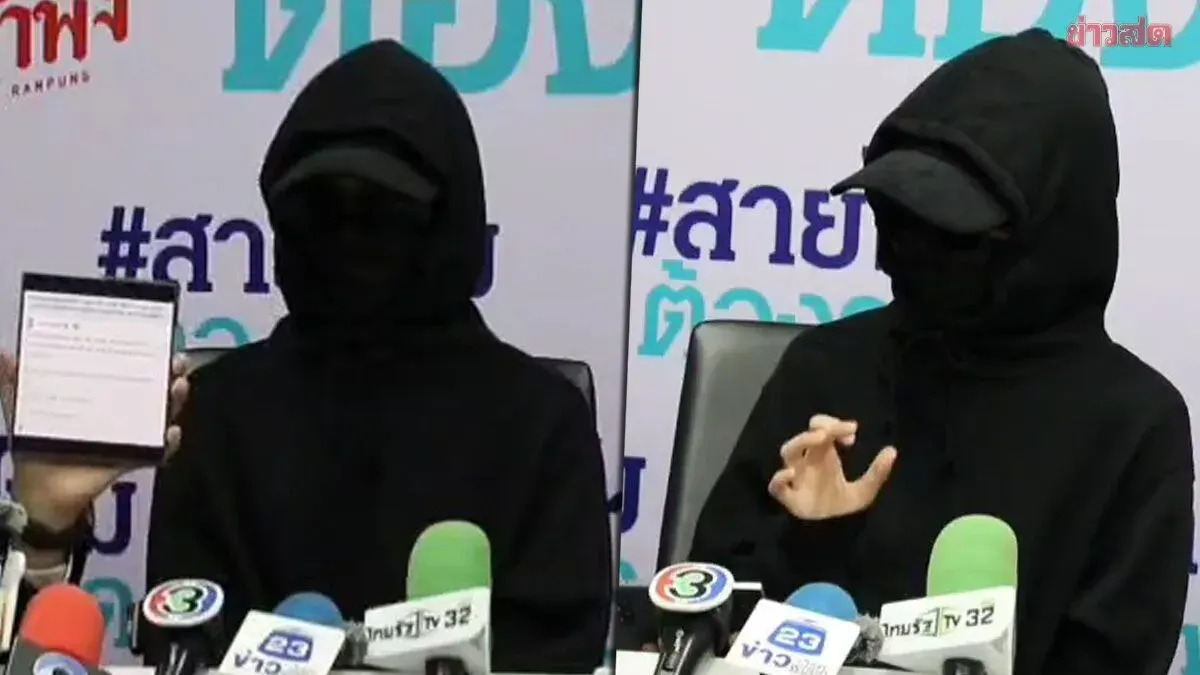
On August 10, a 23-year-old female student filed a complaint at the Sai Yai Must Survive Community Center in the Sai Yai district after becoming a victim of a scammer who posed as someone named "Sii." The fraudster posted on social media claiming to seek conversation partners to ease loneliness and offering to cover living and tuition expenses without requiring in-person meetings, only video calls.
The victim explained she fell for the scheme because she was struggling with dormitory fees and was searching online for supplementary income. During the video call, the scammer attempted to coerce her into removing her clothes, which she largely resisted by keeping her bra on and refusing other sexual advances. The scammer then claimed to transfer payment before blocking her.
Within two days, the victim received numerous messages on Instagram, including from anonymous accounts asking if she had seen her leaked video. She discovered that the full, unblurred video had been distributed through an app, with her personal information and gambling website links attached.
The investigation revealed more than 10 other victims, including high school and university students from prominent institutions, as well as actresses, with some videos showing more explicit content. The victim's testimony indicates she clearly remembers the perpetrator's voice and warns others against trusting unknown people online, especially those offering suspicious financial arrangements.
Ekapon Luang Prasertsan, founder of the Sai Yai Must Survive page, stated this is an organized scam targeting students and has coordinated with Deputy Commander Chatchapan Kluea Kluen of the Cyber Crime Investigation Bureau to file formal complaints and pursue legal action. The founder urged the public not to engage in risky transactions via social media and invited other potential victims to come forward with evidence.