Thailand has eased welfare card eligibility requirements to exclude vehicles over 20 years old and motorcycles older than 15 years, addressing complaints about citizens denied benefits due to non-functional registered vehicles.
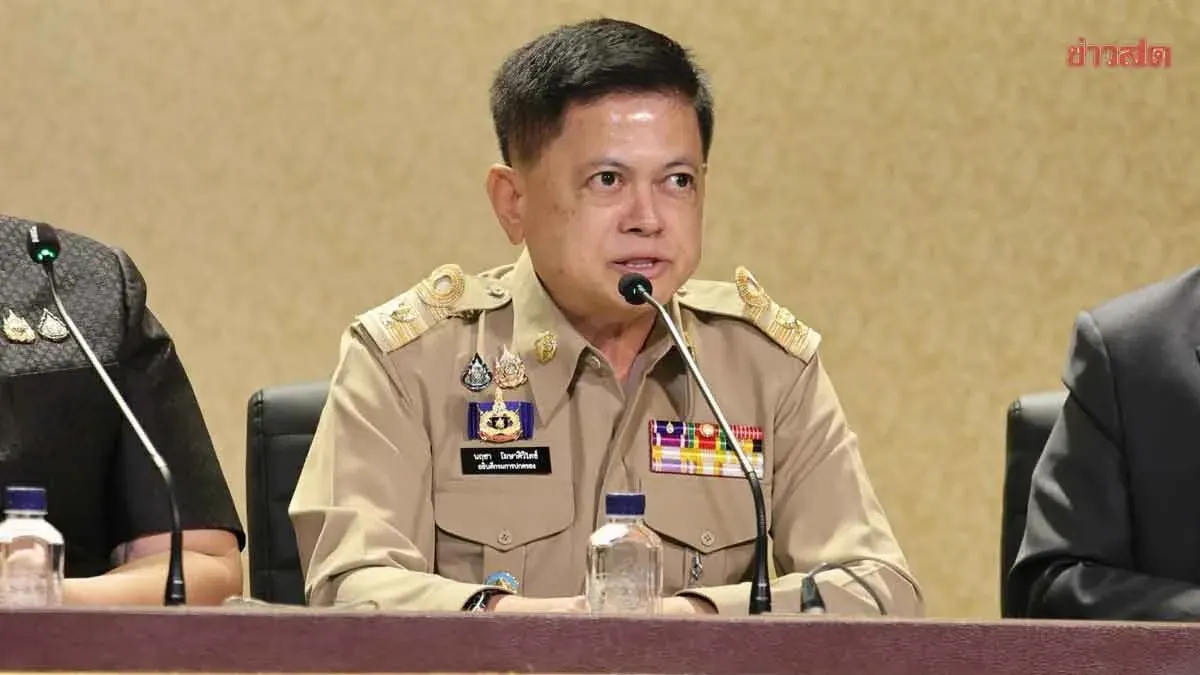
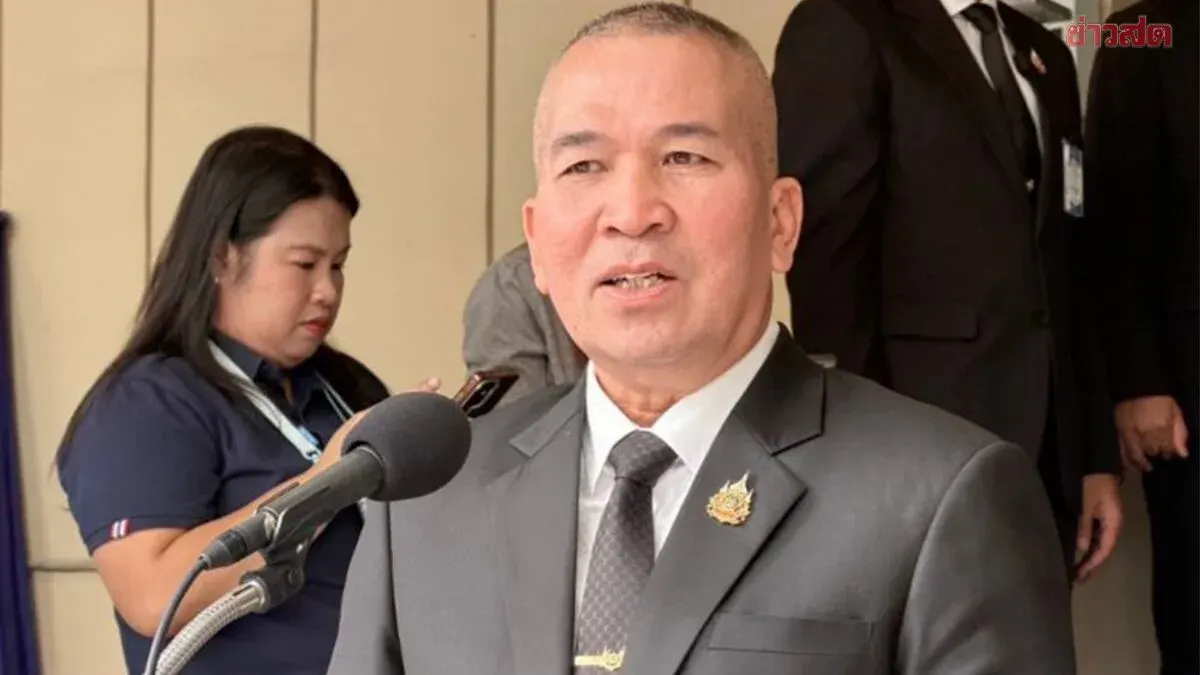
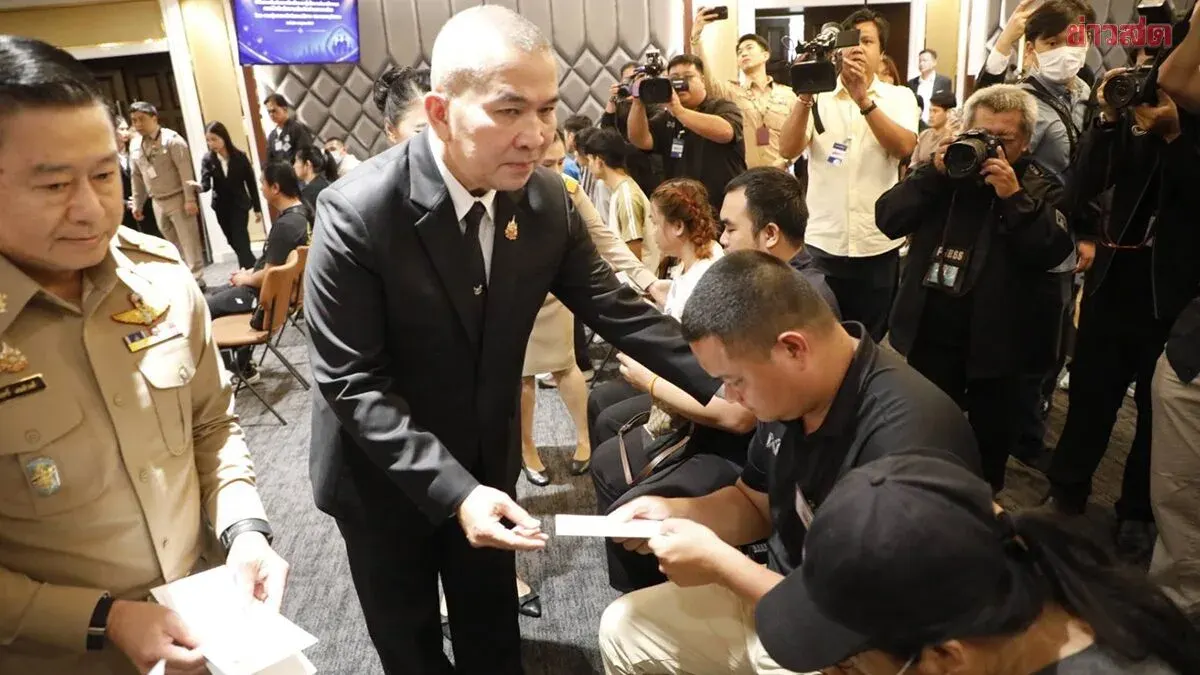
At 11:00 a.m. on July 20, 2026, at Government House, Deputy Transport Minister Siripong Angsukulkiatti, Deputy Interior Minister Phalpheer Suvannchaui, Director-General of the Department of Provincial Administration Naruchat Khotshivilai, Finance Ministry Spokesman Winit Wisesuvannaphoomi, and Deputy Government Spokesperson Lalida Perischviwattana announced revisions to the state welfare card appeals process concerning the Transport and Interior ministries.
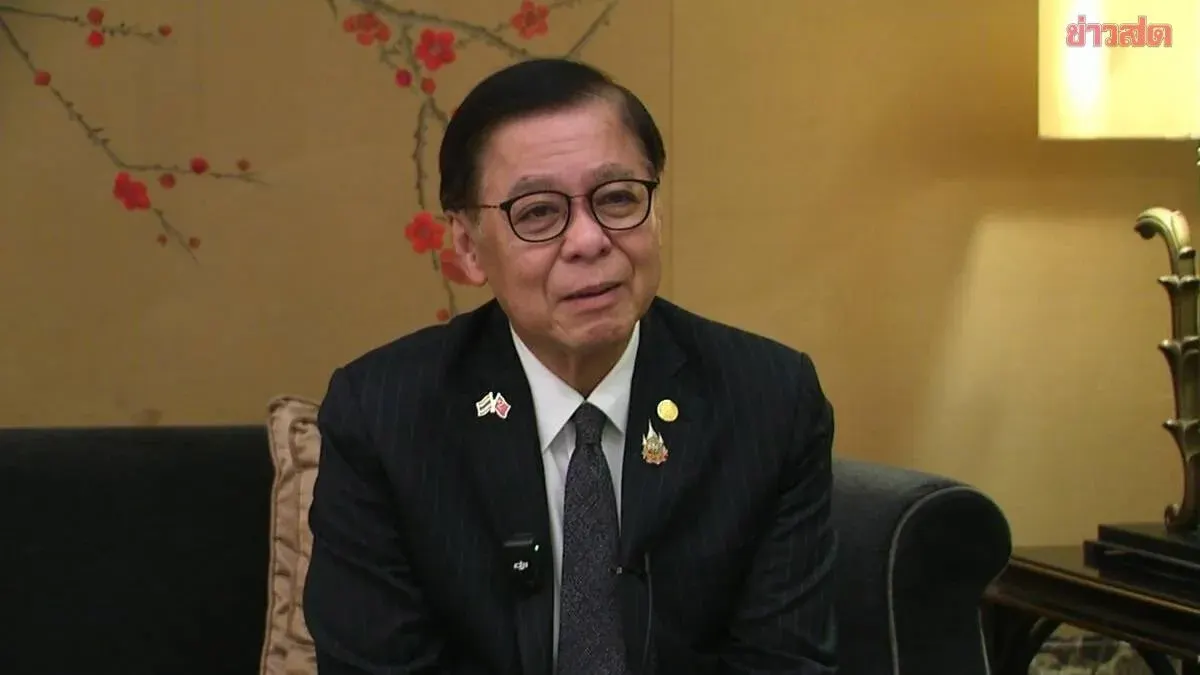
Siripong stated that the Transport Ministry apologized for any inconvenience caused by the initial screening criteria, which aimed to reach eligible recipients but encountered practical limitations. Since July 17, the Land Transport Department has been facilitating applications for affected citizens.
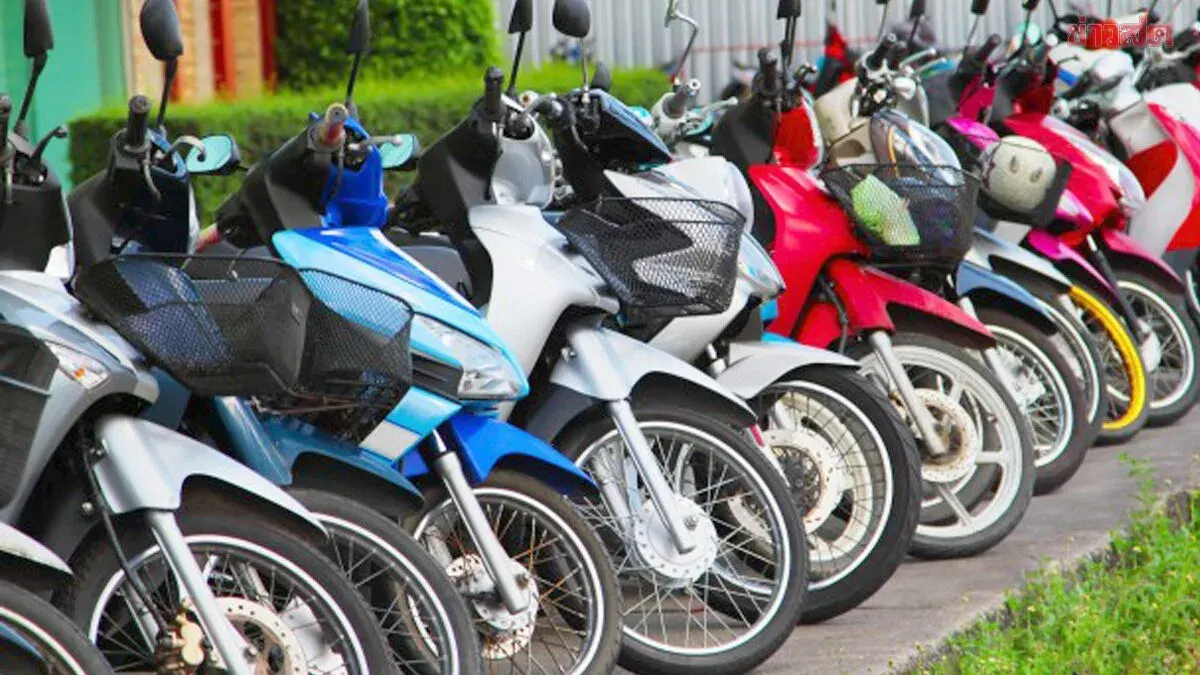
Regarding vehicle ownership rules, Siripong explained that welfare card recipients must not own motor vehicles except for: 1) motorcycles not exceeding 300cc, 2) three-wheeled vehicles, 3) four-wheeled commercial vehicles, and 4) single agricultural vehicles.
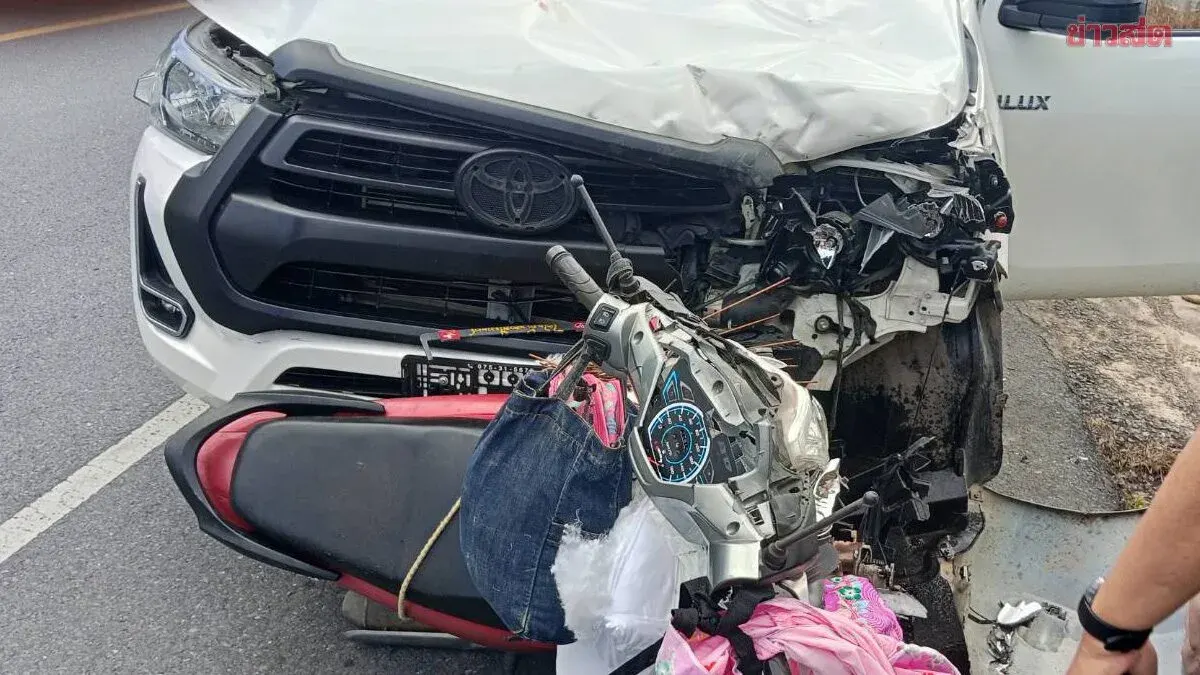
The ministry received numerous complaints about citizens owning old, non-functional vehicles still registered, vehicles reported lost or damaged with uncancelled registrations, sold vehicles with incomplete ownership transfers, and cases of identity fraud in vehicle purchases. These four issues prompted the Transport Ministry to request the Finance Ministry review the criteria. The Cabinet will consider two main adjustments:
1) Vehicles over 20 years old will be excluded from consideration—for example, a single functional vehicle used for decades would not disqualify someone from the welfare card.
2) Motorcycles over 15 years old will be exempt, and ownership limits will increase to two motorcycles not exceeding 300cc if the holder is still making loan payments.
For vehicles that have ceased functioning but remain registered, citizens can file reports with provincial transport offices, which will document cases and assist with appeals. For sold vehicles with incomplete transfers, applicants can register these with transport offices if they have documentation, or provide witness statements if documentation is unavailable.