Defense Chief's Restraint on Southern Violence Draws Fire
Five ranger officers were killed in a militant attack in Narathiwat, sparking public calls for aggressive military action, but the Defense Minister urged dialogue instead, arguing that heavy-handed crackdowns have historically strengthened
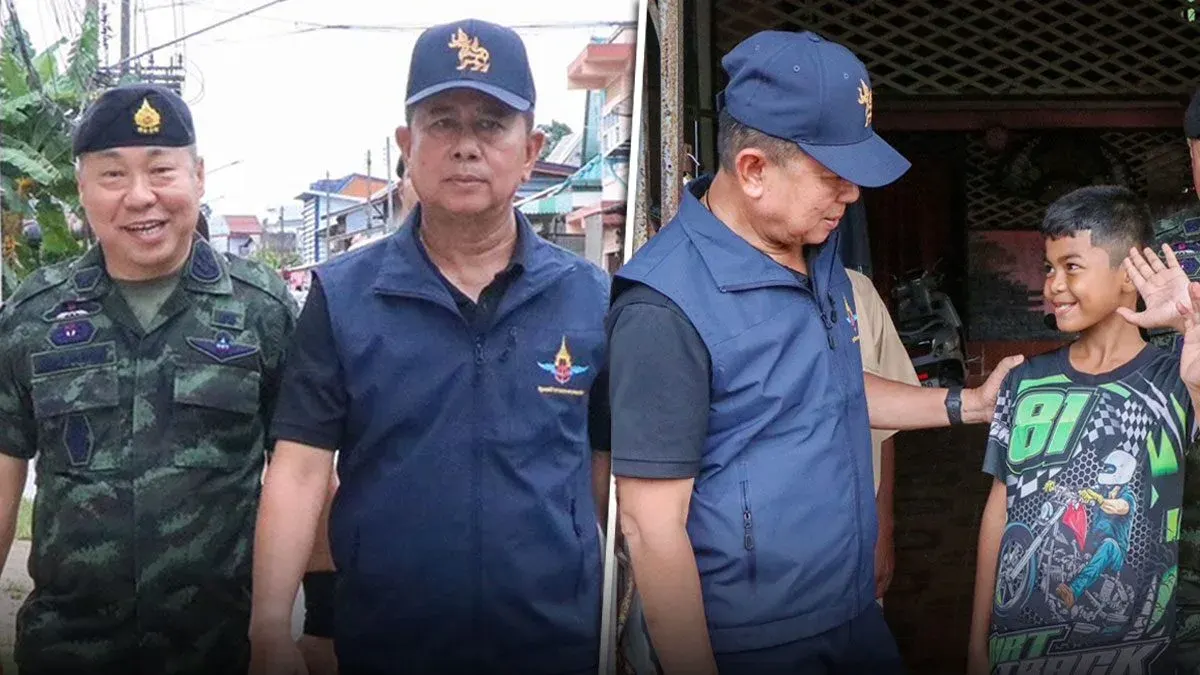
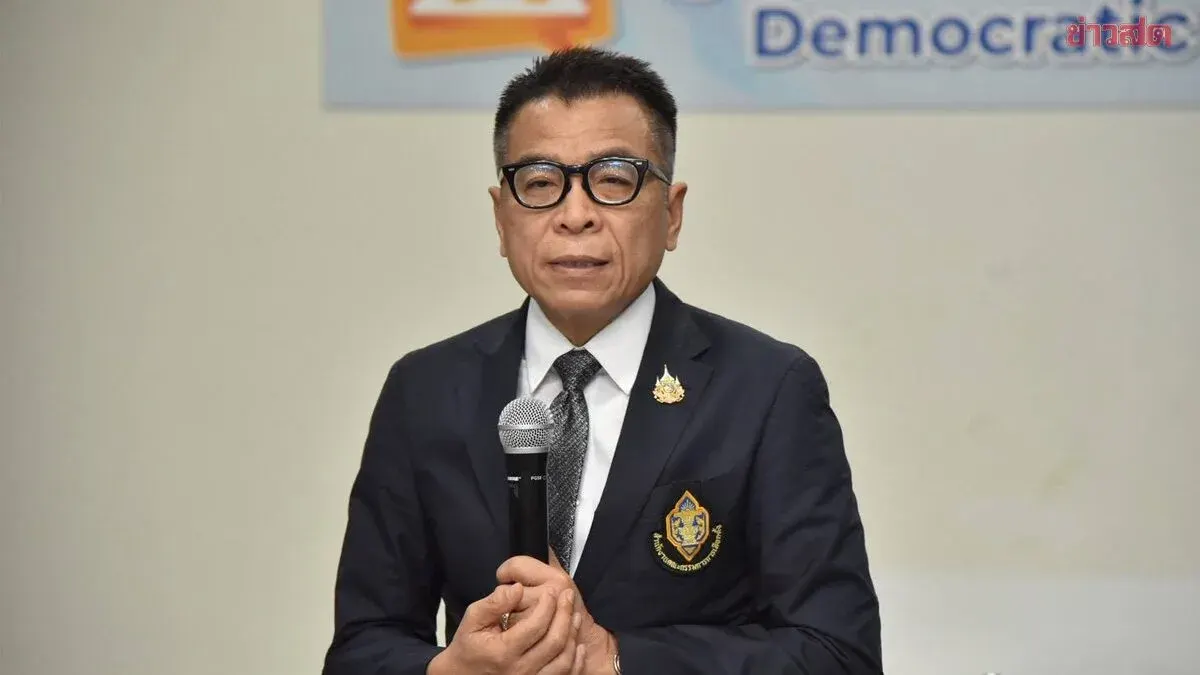
Violence in Thailand's Deep South has intensified after militants launched an attack on a checkpoint in Tanongmass subdistrict, Rangae district, Narathiwat province, killing five ranger officers. Public sentiment, particularly on social media, has been filled with anger and demands to eradicate the southern insurgents completely. Army leadership, including the army chief of staff, appeared to understand this public mood well and announced plans to hunt down those responsible to the far corners of the earth, searching every village and forest area. This pledge to pursue and eliminate the militants resonated with many Thais. However, Defense Minister General Udomdej Bunjaicharoen subsequently objected to the language of "hunting," emphasizing that this should not be called a hunt because it is a problem of Thai citizens with differing views who should engage in dialogue, noting that a peace committee already exists. This cautious approach frustrated those who wanted to see the military launch an aggressive campaign against the insurgents, leading to widespread social media criticism. The general's position reflected a strategic understanding that heavy-handed crackdowns have proven ineffective over many years because southern insurgents are deeply embedded within Thai communities in the three southern provinces, and the root causes stem from disputes between the central government and locals with distinct ethnic and religious identities. Every military operation tends to harm innocent civilians, creating grievances that ultimately strengthen the militants' ranks. The principle that politics must guide military action—and that dialogue should lead suppression efforts—has been proven globally and was successfully applied when Thailand defeated the communist insurgency in 1975 under General Prem Tinsulanonda. Therefore, General Udomdej's position on the southern conflict is strategically sound, though it may not satisfy those eager to see aggressive military action. Ultimately, in any internal conflict, the more the state crushes the insurgency, the larger it grows. The general speaks correctly, but his words may not satisfy the public appetite for decisive military force.