Democrats Demand NACC Action on Ex-Minister Nominee Share Case
The Democrat Party has demanded the National Anti-Corruption Commission act on a seven-month-old complaint against former Transport Minister Sak Chidchob for allegedly holding company shares through nominees while in office — a conflict the Constitutional Court already ruled unconstitutional. The party threatened legal action against the NACC if it continues to ignore the case, calling it a test of whether independent agencies can still hold politicians accountable.
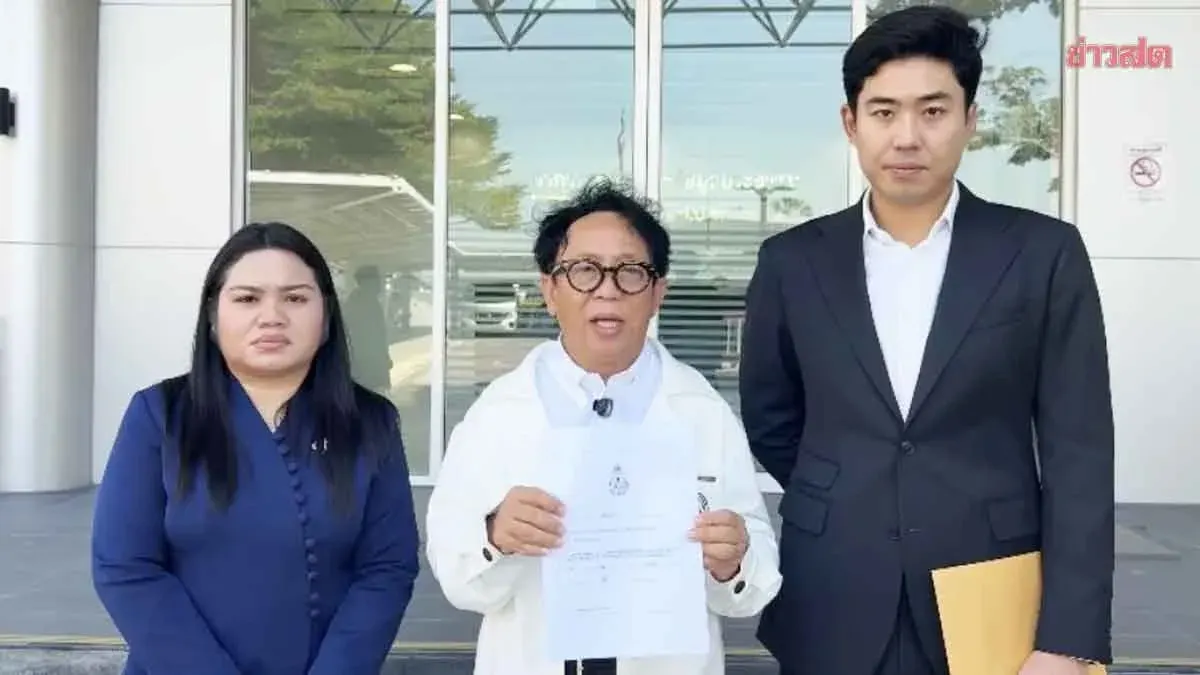
On November 27, 2026, at the NACC headquarters, Democrat Party list MP Satit Wongnongtoey, party spokesman Pongsakorn Kwangmuang, and deputy spokeswoman Duangruthai Buakaew submitted a letter questioning progress on the case the party filed asking the NACC to rule on former Transport Minister Sak Chidchob's conflict of interest regarding nominee shareholdings.
Satit stated the party submitted the request in May 2026, yet more than seven months later the NACC has done nothing. Even party leader Abhisit Vejjajiva's recent visit to the NACC confirmed no action had been taken. The party considers the matter critical because the Constitutional Court previously ruled explicitly that Sak Chidchob violated the constitution by continuing to hold shares in a partnership he owned through nominees while serving as minister.
Satit added that since the Constitutional Court has ruled and the company remains Sak's, any government contracts awarded to that firm during his tenure as transport minister constitute a clear conflict between personal and public interest. The NACC has never ruled on this point despite the party's complaint. Today's letter demands a response within a set period; if the NACC still fails to act, the party will pursue legal measures against the commission.
The NACC has a direct constitutional and statutory duty under the Anti-Corruption Act. Failure to perform that duty, for whatever reason, incurs legal liability under the Criminal Code for malfeasance in office. The party will wait a while longer, but if no action follows, it will take further steps against the NACC. This case tests whether independent agencies can still investigate politicians amid allegations that politics has captured them.
Before submitting the complaint, the party's spokespeople coordinated with the NACC's public relations director to ensure someone would receive it. However, upon arrival, no official came forward. Instead, about ten staff wearing black jackets with 'NACC' patches photographed the delegation. When asked who was designated to receive the letter, no one could answer. The MPs were forced to leave the documents at the public relations counter and refuse to be filmed, eventually giving interviews outside. Normally, submissions to independent bodies proceed smoothly, but this time the NACC claimed ignorance while simultaneously deploying staff to record the event.