Religious Affairs Dept Unveils Five Policies for 2027 Fiscal Year
Thailand's Department of Religious Affairs has announced five key policies for the 2027 fiscal year focused on upholding the monarchy, fostering interfaith harmony, instilling morality in youth, promoting religious principles in daily life, and leveraging faith-based cultural capital to stimulate grassroots economies. Director-General Jesada Chiwawichawalkul emphasized cross-sector collaboration to ensure these initiatives reach all age groups and contribute to a peaceful society. The department is also preparing for ceremonial duties related to the future royal cremation of Queen Sirikit.
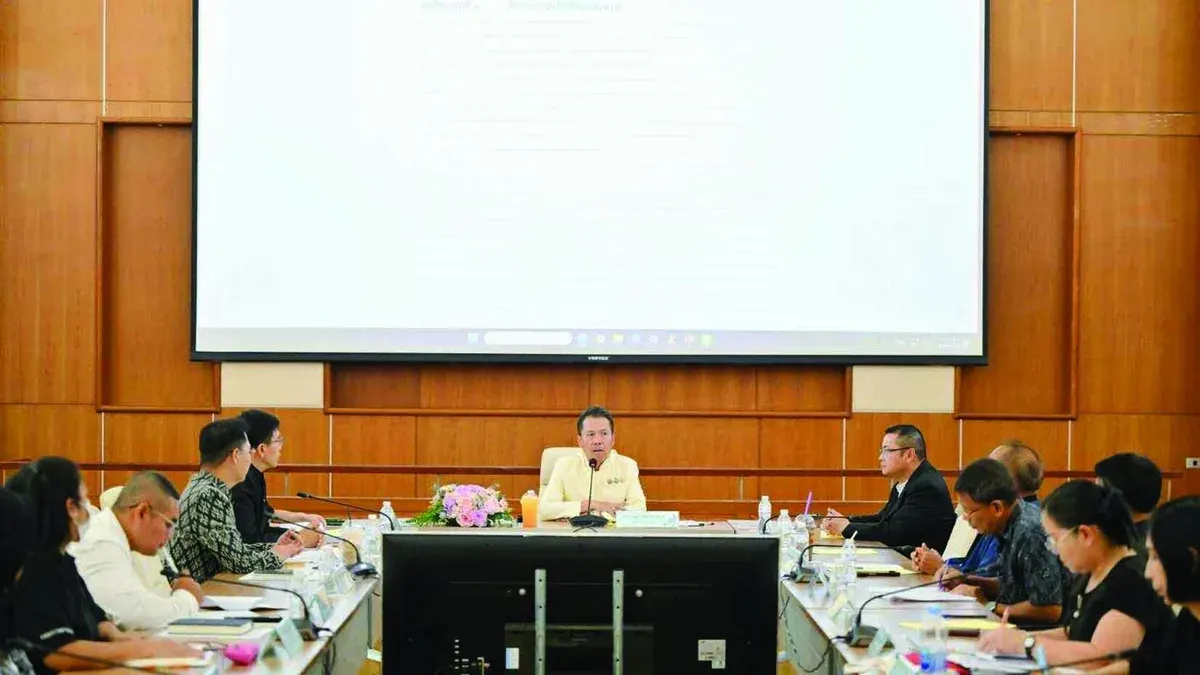
Department of Religious Affairs Director-General Jesada Chiwawichawalkul chaired the agency's first meeting of 2026 at the Ministry of Culture's conference center. Executive leadership, civil servants, and staff attended to establish policy and operational direction for the 2027 fiscal year under the vision "Promote Morality, Uphold Religion, Preserve Religious Rites for a Sustainably Peaceful Society," emphasizing integrated cooperation across all sectors to ensure religious and moral initiatives yield tangible results and reach all age groups.
Jesada noted the department's long history dating to the reign of King Rama I, evolving from the Sangha and Dhamma administration bodies that served royal intentions for Buddhism's propagation into today's Department of Religious Affairs. The agency plays a vital role in supporting religious affairs, promoting morality and ethics, and fostering harmony in Thai society. It works alongside the Sangha, all five recognized religious organizations, government agencies, private sector, and civil society networks to encourage citizens to apply religious principles in daily life and build a peacefully coexisting society.
For fiscal year 2027, the department set five key policies aligned with national development and public needs: 1. Uphold the monarchy and religious rites, encouraging public loyalty to the nation's core institutions and applying religious principles as life guidance through royal commemorative activities. 2. Strengthen harmony and mutual understanding among followers of all five religions (Buddhism, Islam, Christianity, Brahmin-Hinduism, and Sikhism) via interfaith activities and youth camps for peaceful coexistence in a multicultural society. 3. Instill morality and ethics in children and youth through Sunday Buddhist education centers, Islamic and ethics centers at mosques, novice ordination programs, youth Dhamma activities, group chanting contests, and Dhamma sermon competitions to build youth resilience. 4. Promote morality through religious principles, supporting Thais in applying Dhamma and cultural practices daily via important Buddhist observances, year-end chanting, the national morality promotion plan, and establishing Thailand as a meditation hub for mental development and life resilience. 5. Support community economies by leveraging religious, cultural, and faith capital to create added economic value through projects such as the Sacred Relics Pilgrimage Route, the Monk Teachers' Trail, the "Faith-Filled Basket" family activities, and religious festival support — generating local income and stimulating grassroots economies in line with government policy.
The director-general added that the department is also prioritizing readiness for religious ceremonial duties related to the royal cremation of Her Majesty Queen Sirikit, the Queen Mother, assigning relevant units to prepare.