Religious Affairs Dept Outlines 2027 Plan for Morality, Harmony
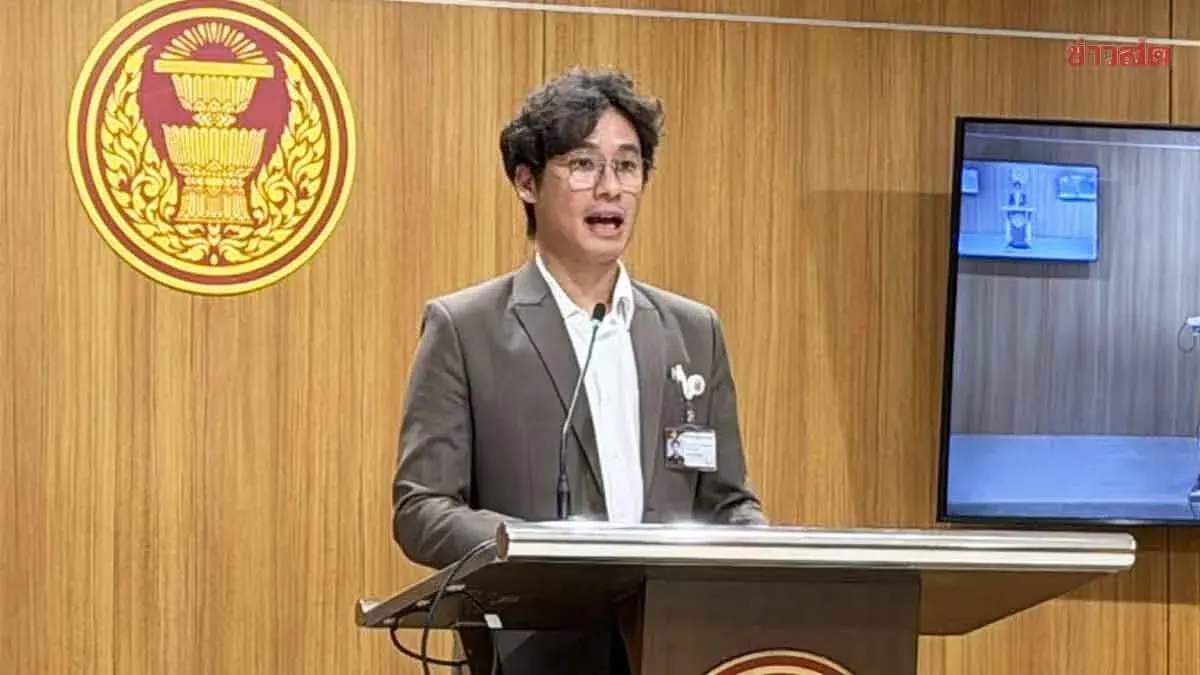
The Religious Affairs Department held its first fiscal 2027 meeting on November 18, setting five policies focused on morality, interfaith harmony, youth ethics, meditation promotion, and faith-based community economies. Director-General Jesada Chiwawichawalkul emphasized cooperation across all sectors to apply religious principles in daily life and prepare for the royal cremation ceremony for Queen Sirikit.
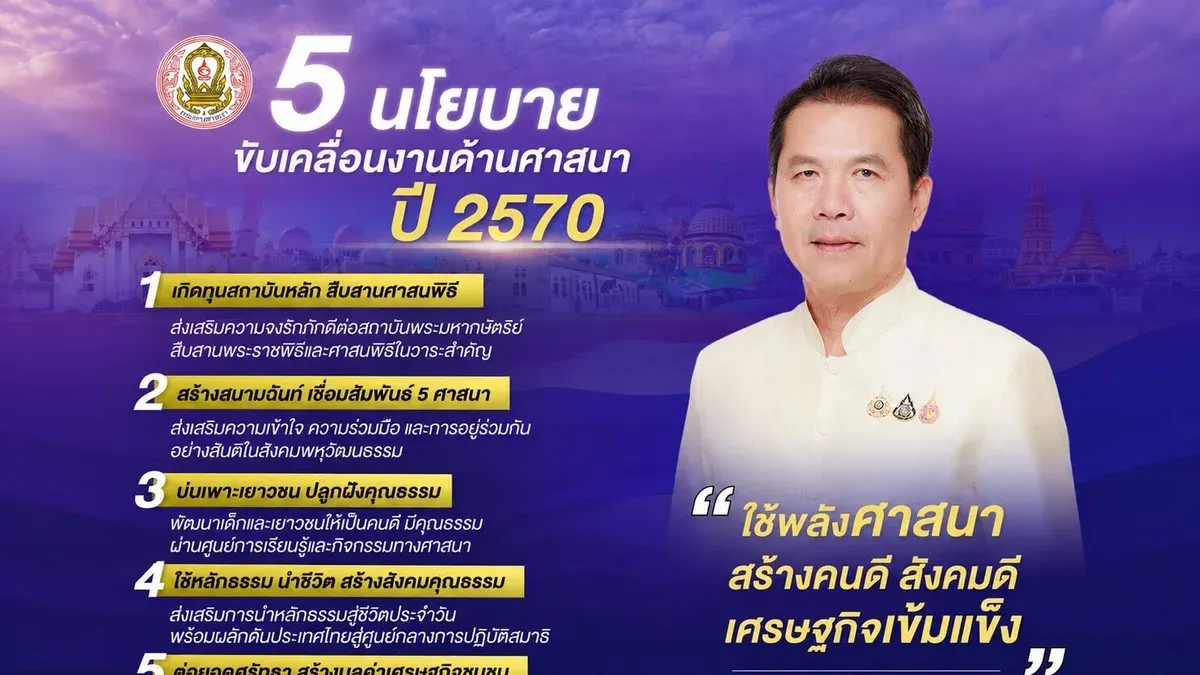
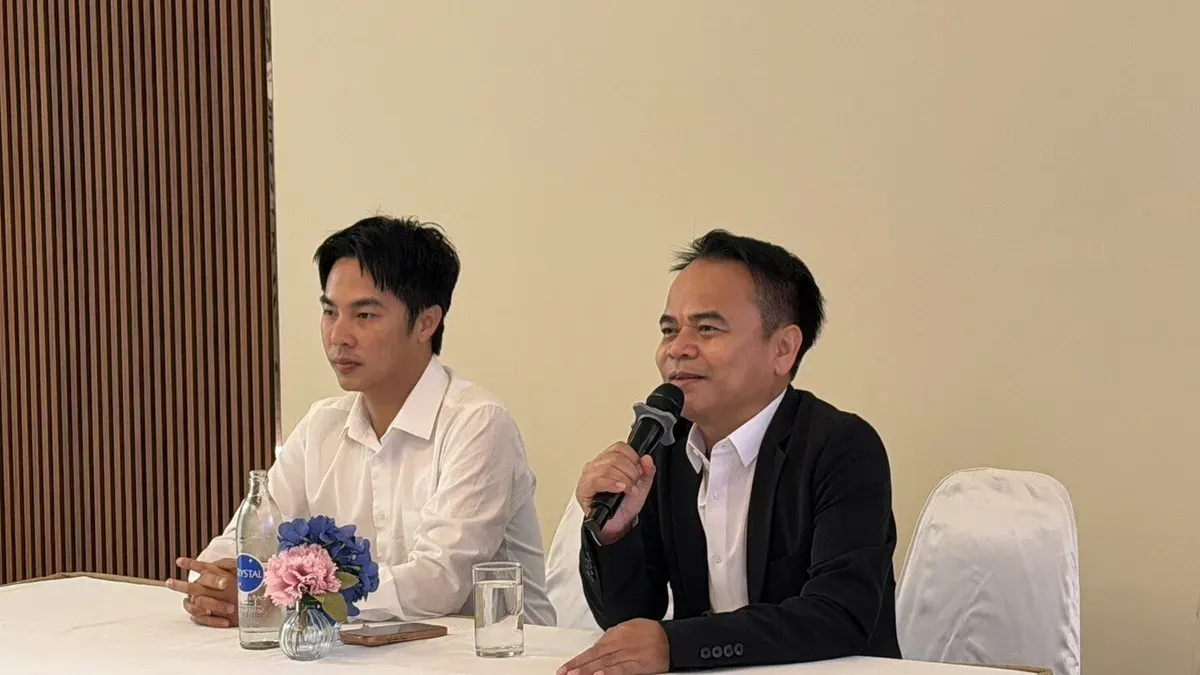
On November 18, 2026, at 9:30 a.m., Religious Affairs Department Director-General Jesada Chiwawichawalkul chaired the department's first meeting for fiscal year 2027 at the Ministry of Culture's 8th-floor conference center. Executives, officials, and staff attended to establish policy directions under the vision "Promote Morality, Support Religion, Preserve Religious Ceremonies for a Sustainable Peaceful Society," emphasizing integrated cooperation across all sectors so religious and moral work reaches every age group.
Director-General Jesada noted the department's long history dating back to King Rama I, evolving from the Sangha and Dhamma administrations into today's Religious Affairs Department. It plays a vital role in supporting religious affairs, promoting morality and ethics, and fostering harmony in Thai society by working with the Sangha, all five recognized religious organizations, government agencies, private sector, and civil society networks to encourage citizens to apply religious principles in daily life.
For fiscal year 2027, the department set five key policies:
1. Uphold the monarchy and religious ceremonies, encouraging public loyalty to the nation's core institutions and application of religious principles through royal tribute activities. 2. Build interfaith harmony among Buddhists, Muslims, Christians, Brahmin-Hindus, and Sikhs via interfaith activities and youth camps for peaceful coexistence in a multicultural society. 3. Instill morality in children and youth through Sunday Buddhist education centers, Islamic moral training centers, summer novice ordination, youth Dhamma activities, chanting and Dhamma speech contests to build resilience. 4. Promote morality through religious principles in daily life via important Buddhist days, year-end chanting, the national morality promotion plan, and establishing Thailand as a meditation hub for mental development. 5. Support community economies by leveraging religious, cultural, and faith capital for added economic value — such as sacred relic pilgrimage routes, eminent monk trails, family alms-giving events, and religious festivals — generating local income aligned with government policy.
The Director-General added that the department is also preparing for religious ceremonial duties for the upcoming royal cremation of Her Majesty Queen Sirikit, the Queen Mother.