PWA Stresses Prevention Strategy in Water Quality Management
The Provincial Waterworks Authority (PWA) outlined its "prevention over cure" strategy for national water security, citing its rapid response to a Mae Sai, Chiang Rai contamination event where raw water turbidity spiked to 14,000 NTU. PWA immediately halted production, deployed mobile RO water trucks and backup supplies, and resumed service only after WHO-standard verification with 30-minute monitoring cycles. Officials emphasized long-term source diversification and third-party quality certification to maintain public trust amid climate-driven water risks.
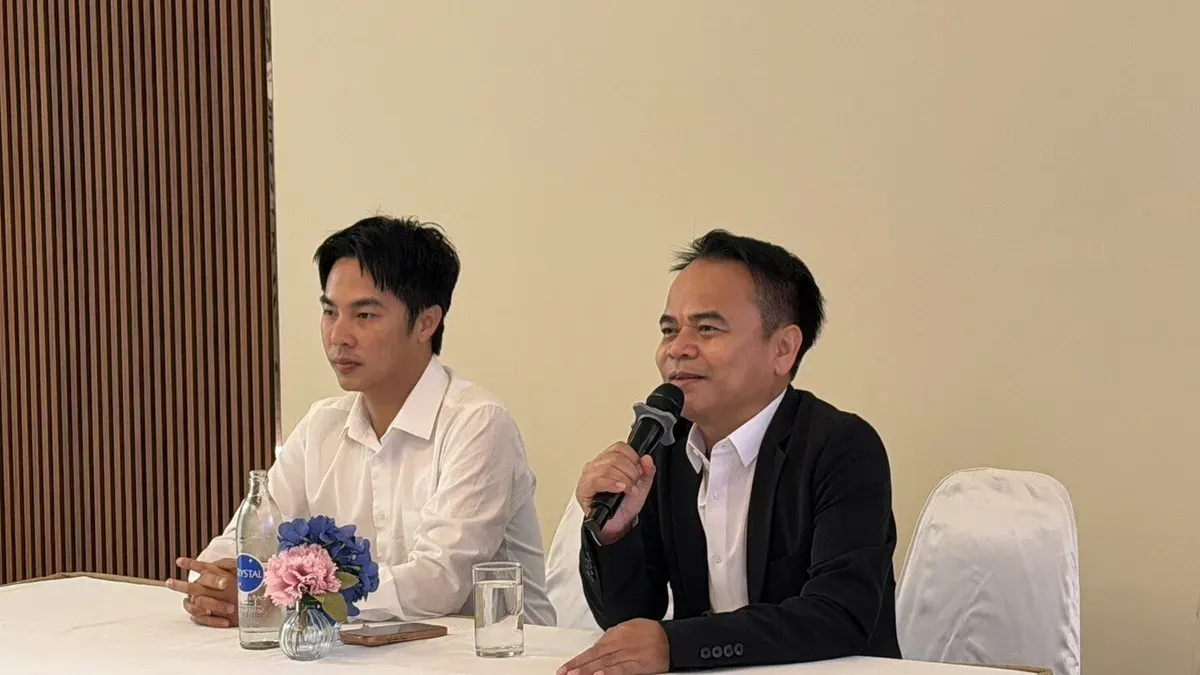
Parin Charoensilp, advisor to the Deputy Interior Minister, and Niwat Charoen, PWA Assistant Governor for Corporate Communications, stressed that tap water flowing daily may seem ordinary, but ensuring clean, sufficient supply for millions is an increasingly challenging mission. Thailand faces climate volatility, drought, flooding, and raw water contamination risks that directly affect production and distribution. PWA's core mission extends beyond delivery to maintaining quality standards, building public trust, and preparing systems for unforeseen events.
In a briefing on November 18, 2026, officials outlined PWA's approach of fixing root causes while implementing preventive measures to ensure continuous clean water access despite crises.
Immediate Shutdown When Risk Detected A clear example emerged in Mae Sai District, Chiang Rai, where raw water turbidity hit 14,000 NTU and manganese levels exceeded normal readings on November 5, 2026. PWA halted supply immediately to control quality and prevent public health risks.
PWA rushed water from Koh Chang production station to support Mae Sai and deployed the "Thanjai Saiking" mobile drinking water units — an innovation developed with the Ministry of Higher Education, Science, Research and Innovation. These trucks use Reverse Osmosis (RO) systems certified by the National Science and Technology Development Agency, serving as critical emergency tools.
Simultaneously, PWA addressed the source by securing additional raw water supplies for long-term production stability. By the afternoon of November 6, raw water conditions normalized, and after confirming quality met WHO standards, normal production resumed on November 7 with continuous monitoring every 30 minutes to guarantee safety.
"Building confidence in water quality is a top priority for PWA, especially when public concerns persist. We push for third-party verification..."