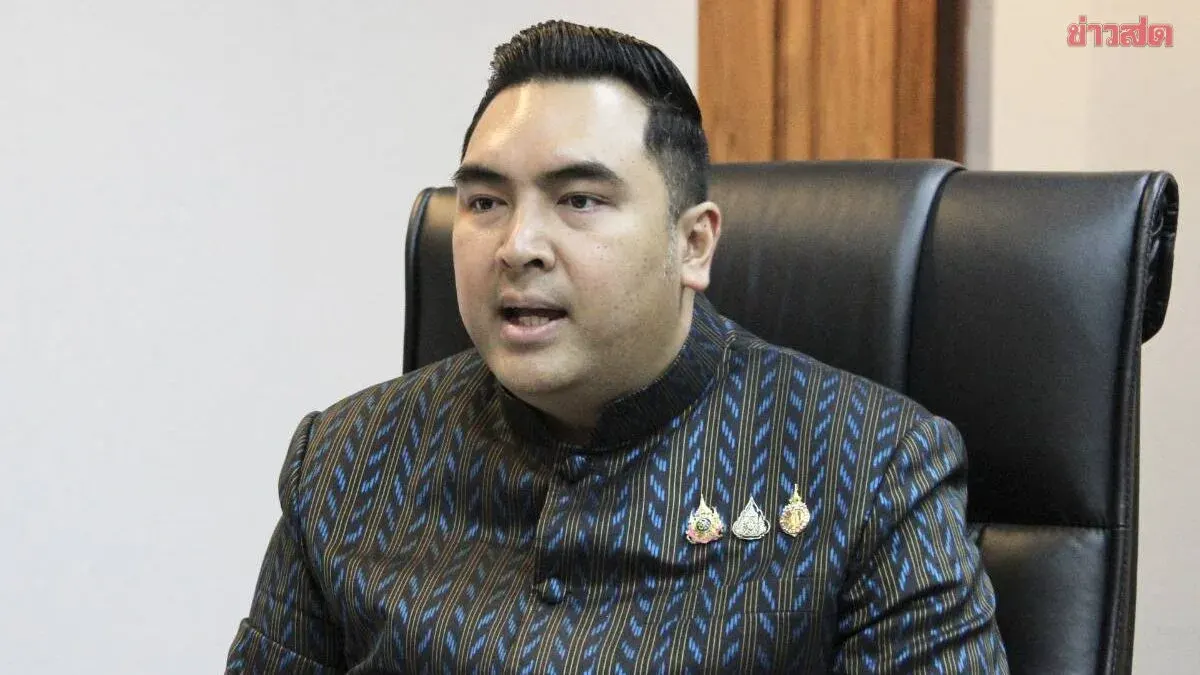
Sai River Contamination Cuts Water to 14 Villages
A rodenticide contamination crisis in the Sai River has left 14 villages in Mae Sai district, Chiang Rai without tap water after turbidity levels reached 14,000 NTU, far exceeding the treatment system's 6,000 NTU capacity. The Pollution Control Department confirmed the chemical exceeds safety standards by 28 times, forcing a temporary shutdown of water production. Authorities have deployed water trucks and mobile purification units while implementing a three-phase plan to secure alternative water sources.
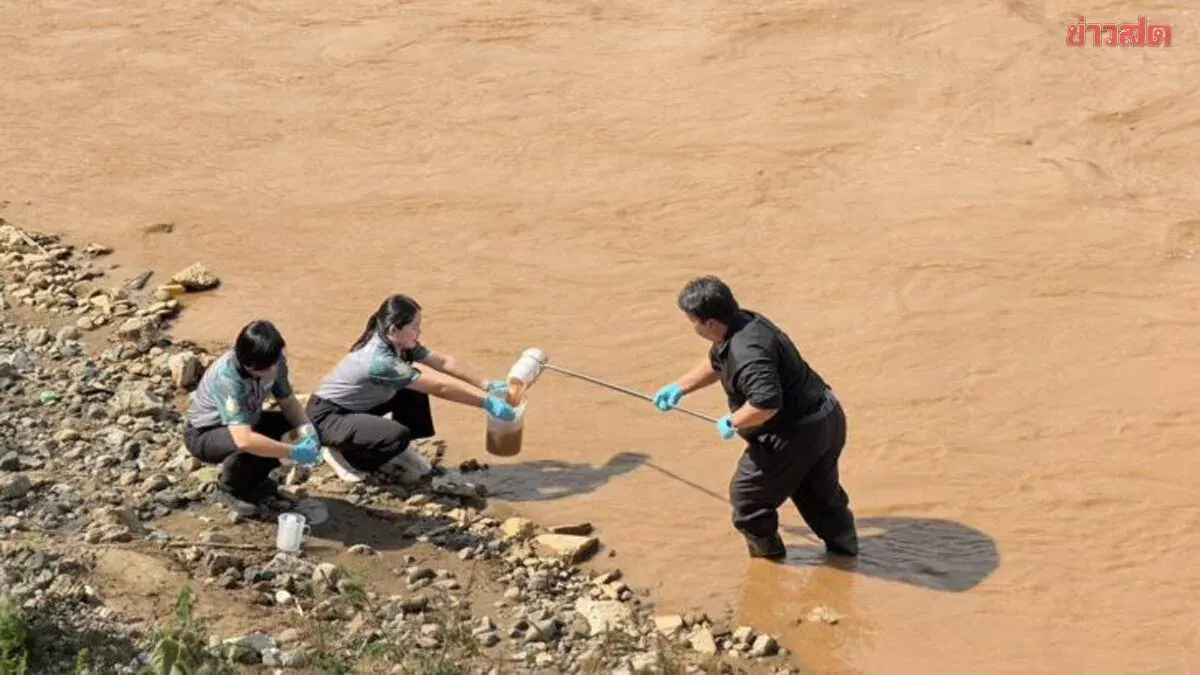
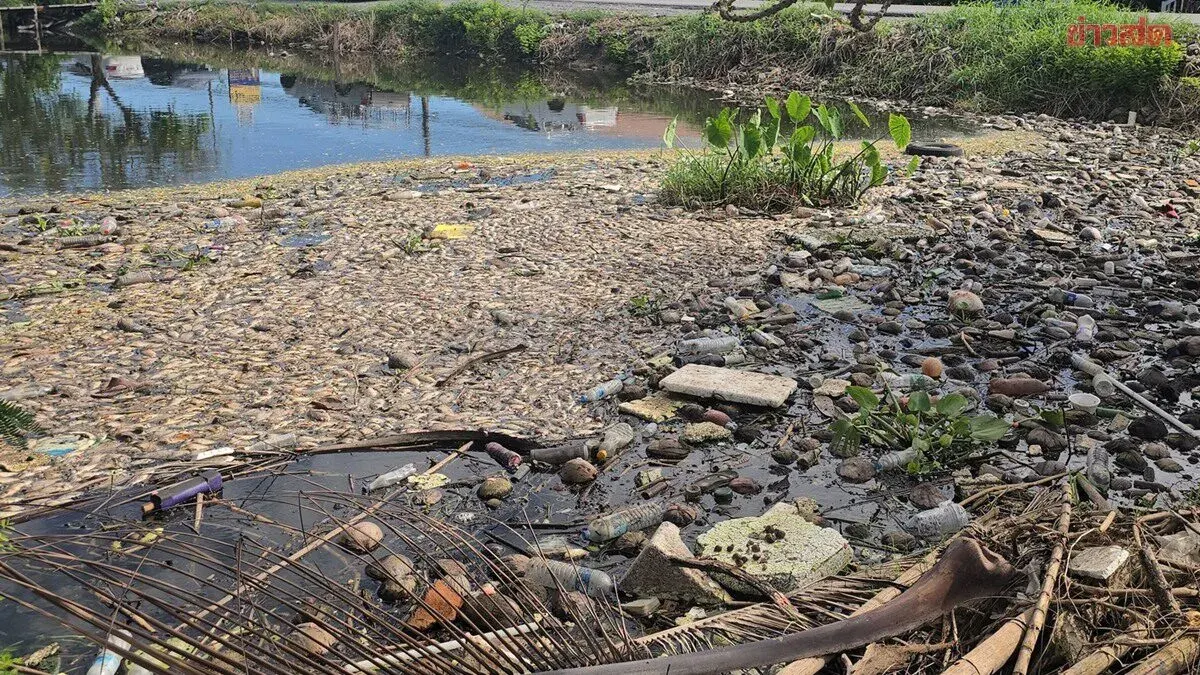
Rodenticide levels in the Sai River remain high, leaving 14 villages without water; the governor has ordered an urgent search for backup water sources, with water trucks and mobile drinking water units deployed. November 10, 2026 – The rodenticide crisis exceeds standards by 28 times in the Sai River area, Mae Sai district, Chiang Rai, causing the regional waterworks to be unable to use raw water for tap water production, severely affecting residents' quality of life. Dr. Surint Warakijthamrong, Director-General of the Pollution Control Department, revealed that monitoring by the Office of Environment and Pollution Control 1 (Chiang Mai) on November 5 found the Sai River running brownish-red, highly turbid with abnormal colloidal sediment. Turbidity measured 14,000 NTU, exceeding the water treatment filtration capacity of 6,000 NTU. Combined with the detection of 'rodenticide' in raw water, this forced a temporary halt to tap water production and distribution, affecting residents in Mae Sai and Wiang Phang Kham subdistricts, totaling 14 villages. Response measures have set a three-phase approach: the immediate phase mandates testing for rodenticide and heavy metals in raw water before production; if turbidity exceeds 6,000 NTU, production must stop immediately, with backup water sources prepared from the Ko Chang subdistrict waterworks and five other local authorities, plus water trucks and mobile drinking water units on standby for emergencies. The medium phase calls for accelerated development of raw water sources from Chiang Saen district to support Mae Sai water production, alongside groundwater system development and reserve tanks. The long phase will develop additional reserve sources, such as the Doi Hua Mae Kham reservoir, to reduce reliance on the Sai River as a single source.