Deputy PM Defends Welfare Card Review, Confirms 72 Benefits Unchanged
Deputy PM Ekniti Nitithanprapas defended the government's welfare card review, saying all 72 existing benefits remain unchanged while the system aims to enroll 2.3 million genuinely poor people and eliminate fraudulent applicants.

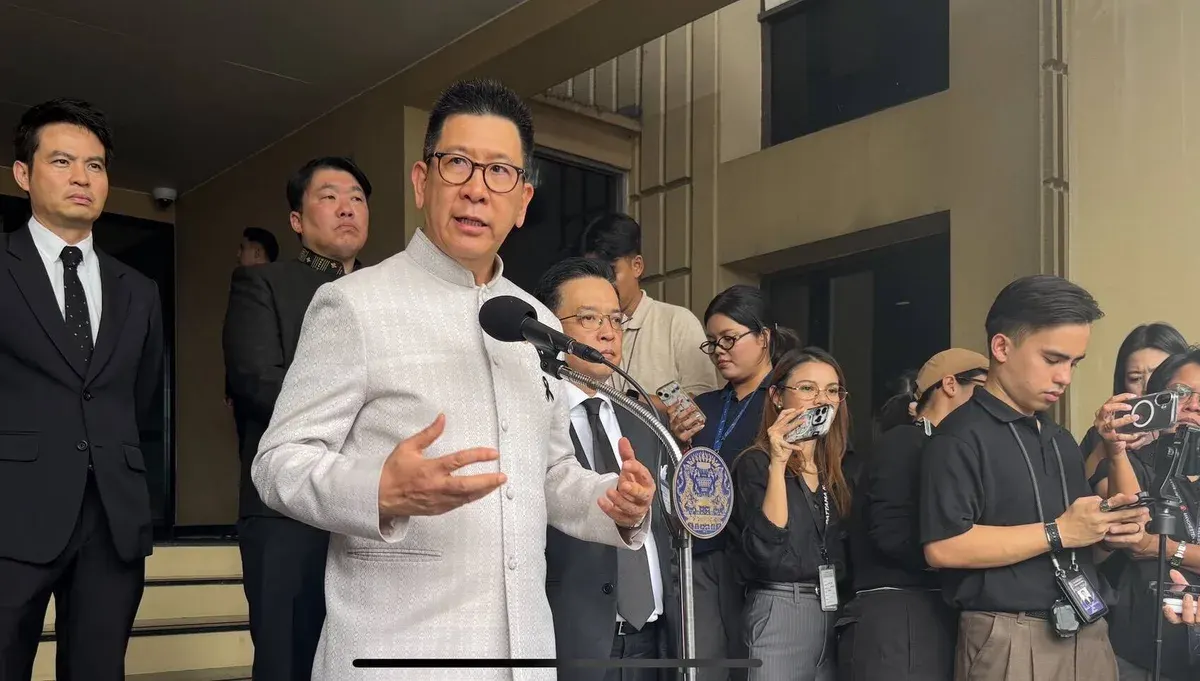
At 10:20 a.m. on July 21, 2025, at Government House, Deputy Prime Minister and Finance Minister Ekniti Nitithanprapas addressed criticism over changes to welfare card eligibility criteria, thanking all parties for their input despite his work abroad. The government's review of the state welfare card—also called the poor card—aims to genuinely help impoverished citizens, as no new people were added to the system for 4–5 years; the primary goal is now to enroll 2.3 million truly poor people previously excluded from the database.
Nitithanprapas explained a second priority is weeding out fraudulent applicants and fake poor people who had filed complaints and claimed undeserved benefits; the government has already filtered out some cases and will hear appeals from affected groups, working with the Interior Ministry to establish review service centers for those who qualify.
He noted that Thailand lacks modern data systems, prompting reviews of benefits citizens have requested, such as old-car exemptions, which he is discussing with the Transport Ministry. A major problem identified is widespread fraud, with villagers' personal information stolen and used to register fake companies or buy stock-market stakes, with such people sometimes misidentified as company founders or shareholders to dodge taxes—a situation he said must now be exposed and addressed by prosecuting the fraudsters after helping victims.
The Finance Minister emphasized that while the welfare card is one tool, the government operates 72 total benefits, with all eligible people retaining their existing entitlements including senior-citizen, disability, and free-education cards. The welfare card specifically targets Thailand's most disadvantaged, and he pledged to hear public feedback, bring it before a committee for rights review, and extend the appeal period.