Deputy PM Inspects Lab for Transboundary River Pollution Talks
Deputy Prime Minister Yotsaphon Wongsuwat inspected Mae Fah Luang University’s heavy metal laboratory in Chiang Rai to prepare for November 24 talks with Myanmar and China on cross-border river pollution. The visit aimed to verify the lab’s capacity to detect invisible toxins like arsenic, which is essential for identifying contamination sources such as mining and formulating effective remedies.
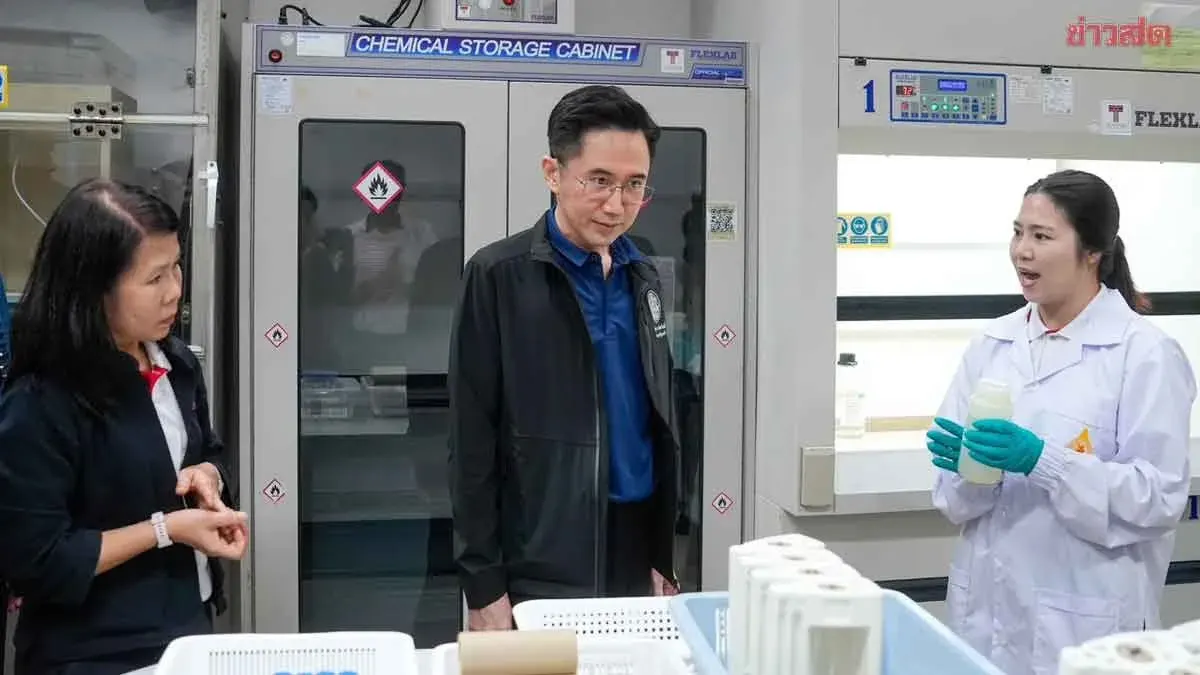
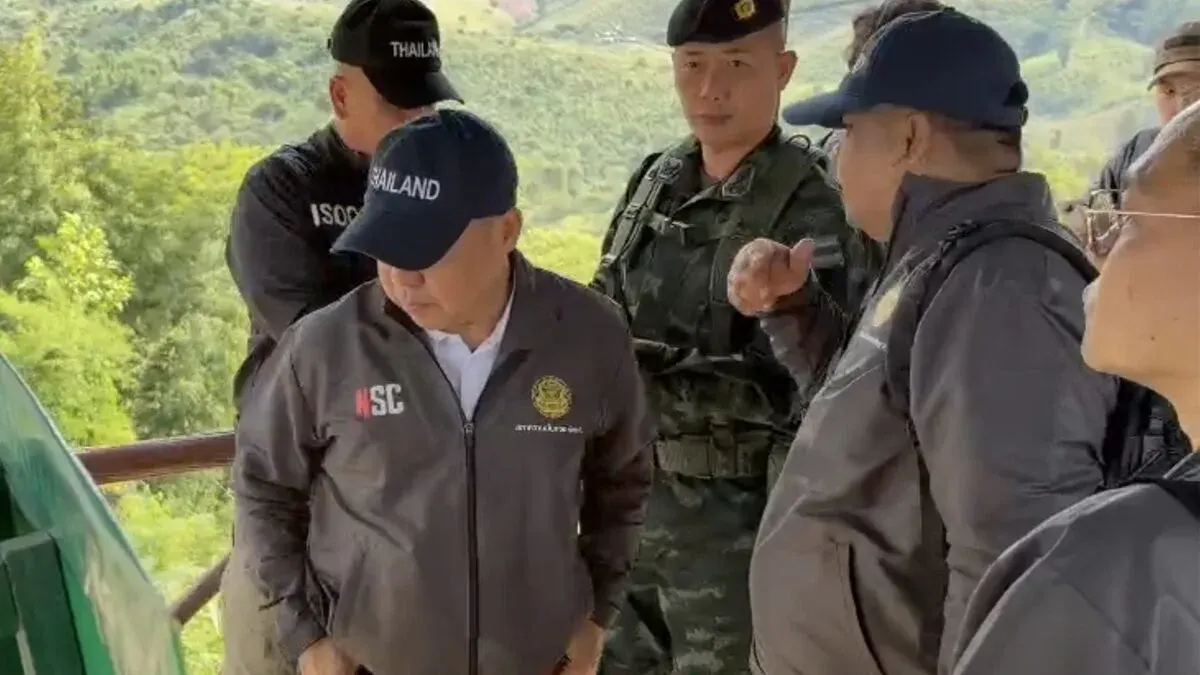
On November 22, 2026, Deputy Prime Minister Yotsaphon Wongsuwat, accompanied by a delegation, traveled to Chiang Rai Province for a two-day mission to monitor river contamination and inspect reserve water sources. The first stop was the Central Research Laboratory at Mae Fah Luang University’s Scientific and Technological Instruments Center, where the team observed a demonstration of the heavy metal analysis process by researchers and lab staff.
Evaluating the laboratory’s readiness before field sampling reflects a crucial step in tackling toxic substances in rivers, since contaminants like arsenic and other heavy metals cannot be assessed visually. Precise identification and quantification of elements in water provide the fundamental data needed to trace pollution sources — whether from mining or other activities — enabling targeted solutions at the root cause.
Established in 2018 on a 900-square-meter site with analytical equipment installed in 2020, the facility’s heavy metal section comprises two main rooms: a 30-square-meter microwave digestion room and a 27-square-meter elemental analysis room. The analytical workflow runs through five primary instruments operating in sequence to minimize contamination. The process begins with acid-washed glassware and sub-boiled AR-grade acid for sample digestion. Samples are then placed in high-pressure, high-temperature vessels and processed in a microwave digestion system, which handles up to 15 vessels per one-hour cycle, breaking down organic and inorganic matter into free elements for heavy metal detection. A chemical fume scrubber continuously removes acid vapors to protect operators.
In the analysis room, researchers explained the operation of an ICP-MS/MS system based on atomic spectroscopy, displaying the analytical schematic on screen to highlight the importance of the detection system.